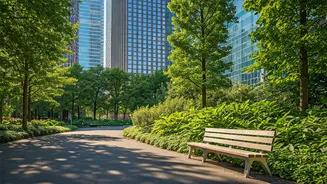






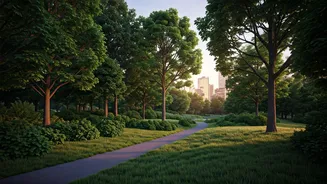



The Science of Green Serenity
The term ‘leafy mood therapy’ isn't a clinical diagnosis, but it perfectly captures a powerful truth backed by science: nature is good for the human brain. At its core is the concept of 'biophilia', the idea that humans have an innate tendency to connect
with nature. When we are surrounded by greenery, our bodies respond in profound ways. Studies have consistently shown that exposure to natural environments can lead to a significant reduction in cortisol, the body’s primary stress hormone. Just 20 minutes spent in a park or a leafy area can lower stress levels, decrease heart rate and blood pressure, and improve your mood. This isn't just about feeling good; it's a physiological response. The natural world offers what psychologists call “soft fascination,” which captures our attention without being demanding, allowing our overstimulated urban minds a chance to rest and recover.
An Urgent Need for Urban India
In India's rapidly expanding cities, the need for this natural therapy is more critical than ever. As urban areas grow, green spaces often shrink. Many Indian cities fall short of the World Health Organization's recommendation of nine square metres of green space per person. Cities like Mumbai and Chennai have a fraction of that, creating environments where the urban heat island effect is more pronounced and residents have fewer places to escape the stress of a high-density lifestyle. This deficit is not just an environmental issue; it is a public health concern. Living in areas with less green space is linked to higher instances of anxiety and depression. The constant barrage of traffic, noise, and crowds puts our nervous systems on high alert, and without the restorative effects of nature, it can lead to chronic stress and burnout. Integrating green spaces is no longer a luxury but an essential piece of infrastructure for creating resilient and mentally healthy cities.
Embracing a Dose of Nature
The good news is that you don't need to escape to a remote forest to reap the benefits. The Japanese practice of Shinrin-yoku, or 'forest bathing', can be adapted for city life. This practice is not about exercise but about mindful immersion in a natural setting, using all your senses to connect with your surroundings. Even a small city park, a tree-lined street, or a quiet community garden can become your sanctuary. The key is to be intentional. Instead of scrolling through your phone on a bench, try to notice the details: the texture of tree bark, the sound of leaves rustling, the smell of damp earth after a brief rain. Studies confirm that even these 'micro-doses' of nature, like having a plant on your desk or a view of a tree from your window, can have positive mental health perks.
Building Greener Urban Futures
While individual actions are powerful, creating truly biophilic cities requires a shift in urban planning. This involves more than just preserving large parks; it means weaving nature into the very fabric of the city. Rooftop gardens, vertical green walls, sidewalk planters, and protecting existing tree canopies are all part of the solution. Government initiatives like the Nagar Van Yojana aim to increase urban forest cover, but success also depends on community participation. By advocating for green spaces in our neighbourhoods and participating in local planting initiatives, residents can play an active role. These green additions do more than just beautify; they cool down our cities, improve air quality, and foster social connections.