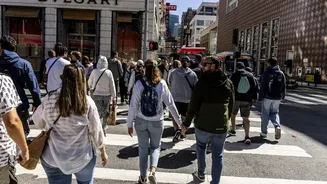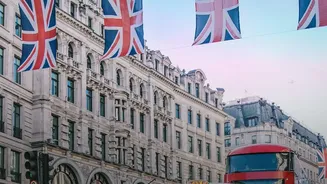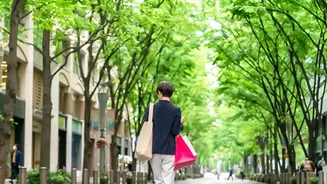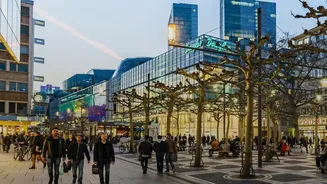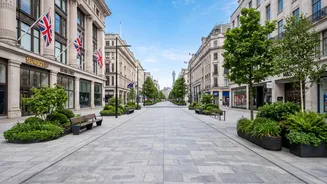




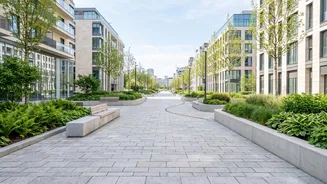
One of the world's most famous shopping thoroughfares has undergone a historic transformation. In late October 2026, a major section of London's Oxford Street went permanently traffic-free, marking a new era for the iconic destination.
The New Oxford Street Experience
After decades of
debate, a nearly one-kilometre stretch of Oxford Street, from Orchard Street to Great Portland Street, is now closed to most vehicles, including buses, taxis, and private cars. The change, which took effect on October 26, 2026, is the first phase of a major regeneration project aimed at creating a safer, more pleasant environment for shoppers and visitors. While the initial rollout includes temporary seating, planters, and new public squares, more permanent upgrades are planned for 2027. The goal is to reduce pollution, ease congestion, and elevate the street to the status of other global destinations like Times Square. For now, delivery vehicles have access only during a short overnight window, and bus routes have been redirected to parallel streets.
From Radical Idea to Global Trend
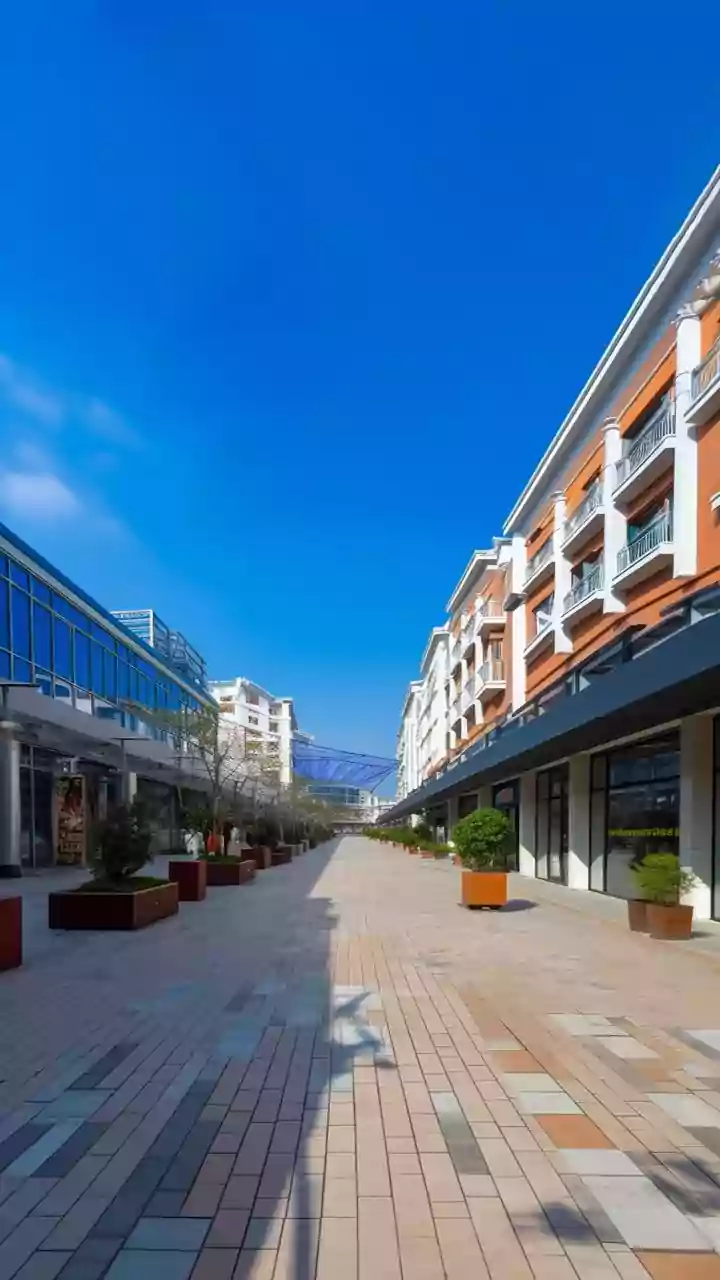
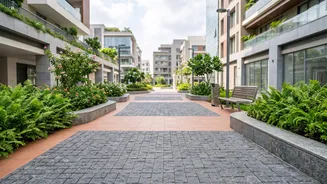
The move to pedestrianise major urban centres is not a new one, but it represents a significant shift in how we think about city life. For much of the 20th century, streets were primarily seen as corridors for cars. However, as cities became more congested and polluted, planners began looking for ways to reclaim public space for people. The benefits are clear: reduced noise and air pollution, increased footfall for businesses, safer environments for families, and more space for community activities and green infrastructure. Of course, these projects are not without their challenges. They require careful planning to manage rerouted traffic, ensure accessibility, and support local businesses during the transition. Oxford Street's phased approach, which allows for public feedback, is a model for managing such a large-scale change.
Strøget, Copenhagen: The Original Blueprint
When looking for successful examples, many cities turn to Copenhagen. In 1962, its main street, Strøget, became one of Europe's first and longest pedestrian shopping zones. Initially a controversial experiment, critics claimed it would 'never work in Scandinavia'. However, the trial was made permanent in 1964 and proved to be a resounding success. The network has since expanded to cover around 100,000 square metres. The work of architect Jan Gehl, who studied the effects of the change, became hugely influential, proving that creating people-first spaces could revitalise a city's public life and boost its economy. Today, Strøget is a bustling hub of shops, cafes, and street performers, attracting around 80,000 people daily during summer.
La Rambla, Barcelona: Culture and Chaos
Barcelona's La Rambla is another world-famous example, though it operates differently. It's a wide boulevard with a broad central pedestrian promenade flanked by narrow service roads. This design has long given it a people_centric feel, making it a hub of social and cultural life. However even La Rambla is undergoing a major renovation, expected to be completed in 2027, to further enhance its pedestrian_friendly character by reducing traffic to single lanes and adding more green space. The project aims to make the iconic street more comfortable for locals and visitors alike, reinforcing its role as the vibrant heart of the city while addressing modern urban pressures.
Buchanan Street,, Glasgow:: A Scottish Success Story
Closer to home,, Glasgow's Buchanan Street offers a blueprint for UK cities.. Pedestrianisation began here as an experiment in 1972 and was made permanent and expanded by 1978 due to its popularity.. Initially,, traders had concerns about deliveries and parking,, but the move was widely praised for improving the shopping experience and reducing pollution.. The street,, now considered the central spine of Glasgow's shopping district,, has since undergone further upgrades to its public spaces.. Surveys have consistently shown that Glaswegians feel the pedestrianisation has made the city centre a better place to shop and spend time,, proving that prioritising people can be a winning strategy for retail.