


Beyond the Classics
The Indian monsoon is a season of sensory experiences—the smell of wet earth, the cool breeze, and the rhythmic sound of rainfall. For decades, this experience has been paired with a near-universal food ritual: hot, crispy pakoras, samosas, and a steaming
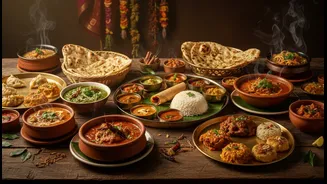
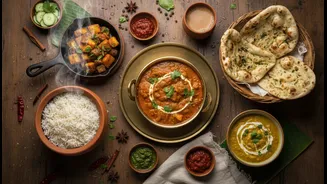
cup of masala chai. These snacks are undoubtedly the unofficial mascots of the rainy season, a comforting tradition shared across the country. Yet, in recent years, a delicious shift has been taking place. Restaurants and home cooks are looking past these usual suspects and digging deeper into India's vast culinary treasure chest, bringing hyper-local and regional monsoon specialities to the forefront. This movement is about more than just food; it's a celebration of diversity and nostalgia.
A Culinary Map of the Monsoon
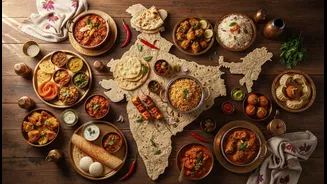
Every state in India has its own unique way of welcoming the rains through food, shaped by local ingredients and age-old traditions. In Maharashtra, for instance, while Kanda Bhaji (onion fritters) remains a favourite, menus now proudly feature dishes like Bombil Bhujna, a fragrant and spicy curry made with Bombay duck. Head to Gujarat, and you'll find steamed snacks like Patra, made from colocasia leaves rolled with a spiced gram flour paste. The south offers its own array of comforts; Kerala’s Parippu Vada (lentil fritters) are a crunchy, protein-packed delight perfect for a rainy evening, while a bowl of peppery Rasam in Tamil Nadu provides warmth and soothes the soul. Further east, in Assam, the cuisine features dishes like pigeon cooked in black pepper and unique preparations using fermented fish and bamboo shoots, reflecting the region's distinct produce.
The Power of Nostalgia
For many, the connection between the monsoon and specific foods is deeply emotional, rooted in childhood memories. Chefs are tapping into this powerful sentiment, reviving recipes passed down through generations. The food becomes a vehicle for storytelling, transporting diners back to their grandmother's kitchen or a rainy evening spent with family. Chef Manish Mehrotra, who grew up in Bihar, fondly recalls Anarsa, a biscuit made from rice and jaggery, as an essential monsoon sweet. Similarly, Maharashtrian households often prepare Alu Vadi, where fresh colocasia leaves are lovingly rolled and steamed. This trend isn't just about professional kitchens; it’s a broader cultural moment where people are reconnecting with their culinary heritage, seeking out flavours that feel like home.
A Health-Conscious Shift
While deep-fried snacks are a beloved indulgence, there's also a growing awareness of healthier monsoon eating. Traditional Indian culinary wisdom has always advocated for specific foods during the rains to boost immunity and aid digestion. Many regional dishes naturally align with this. Steamed foods, for example, are popular across the country, from Gujarat's Muthiya to Mangalore's Pundi Gatti (steamed rice dumplings). Soups and broths are also a staple, such as Meghalaya's Nakham Bitchi, a traditional soup made with dried fish and vegetables known for its smoky flavour and health benefits. Even within the realm of fried food, choices are being made consciously, with an emphasis on home-cooked snacks where the quality of oil and ingredients can be controlled.
Celebrating Regional Pride
This renewed focus on regional monsoon food is part of a larger trend celebrating India's immense culinary diversity. Chefs and restaurateurs are moving away from a homogenized, pan-Indian menu to one that spotlights hyper-local ingredients and forgotten recipes. By putting dishes like Chhattisgarh's Aamat (a tangy bamboo shoot curry) or Rajasthan's Bajra Khichdi on their menus, they are not just serving a meal; they are preserving a piece of cultural history. This movement educates diners, broadens palates, and fosters a sense of pride in local food traditions that have been perfected over centuries. It's a recognition that the best way to experience the monsoon might just be through a flavour you've never tried before.