







1. Upgrade Your Rain Gear
An umbrella is a start, but it’s often not enough for a crowded bus or train journey. A lightweight, quick-drying raincoat or poncho offers better protection, keeping your hands free to hold on for support. If you wear a backpack, consider getting a raincoat a size
larger to wear over it, protecting your electronics and documents inside. Footwear is just as critical. Wet, slippery station platforms are a major hazard, so choose shoes or sandals with a strong grip to prevent falls. Avoid wearing heavy fabrics like denim, which take a long time to dry and can leave you feeling uncomfortable all day. Instead, opt for lighter, synthetic materials that dry quickly.
2. Use Technology to Your Advantage
Don't leave your journey to chance. Before you step out, check the weather forecast and traffic updates for your route. Several apps can provide real-time tracking for buses and trains, helping you monitor delays and avoid the most crowded services. Apps like Chalo, Moovit, and Where is My Train offer live tracking and status updates that are invaluable during the monsoon when schedules are unpredictable. Knowing about disruptions in advance allows you to find an alternative route or leave earlier to avoid getting stranded. Keeping your phone charged is essential, so a power bank should be a permanent fixture in your bag during this season.
3. Prioritise Health and Hygiene
The damp and humid conditions of the monsoon are a breeding ground for germs. Waterborne diseases are more common, so it's wise to carry your own bottle of boiled or filtered water and avoid drinking from unknown sources. While tempting, street food from stalls near stations can be a health risk due to potential contamination; it's safer to eat fresh, home-cooked meals. Frequent handwashing is one of the most effective ways to prevent infections, so carry an alcohol-based hand sanitizer and use it regularly, especially after touching surfaces on public transport and before eating. If you get drenched, take a shower as soon as you get home to wash away any germs.
4. Navigate Your Surroundings Safely
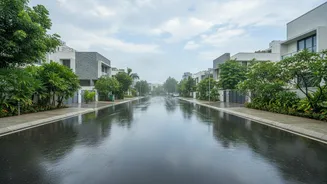
During heavy rains, your familiar route can present new dangers. Waterlogging can hide open drains, potholes, and other hazards. Never walk through flooded areas if you cannot see the surface or judge the depth of the water. On station platforms, always stay behind the yellow safety line, as surfaces can become extremely slippery. When boarding crowded buses or trains, slow down and be patient. Rushing on a wet surface is a recipe for an accident; it is always better to miss one train than to risk a fall. Be aware of your surroundings, watching out for loose electrical wires and potential falling branches.
5. Pack a Small Monsoon Emergency Kit
A little preparation goes a long way when your journey takes longer than expected. Pack a small, waterproof pouch with a few essentials. This should include a power bank, a small microfibre towel to dry off, and a few plastic or zip-lock bags to store wet items like your umbrella or to give your phone an extra layer of protection. An extra pair of socks can make a huge difference to your comfort if your feet get wet. Also, consider carrying some light snacks and any personal medicines you might need in case of unexpected, long delays. Having these items on hand means a sudden downpour or a transport delay won't ruin your entire day.