


The Allure of the Perfect Shot
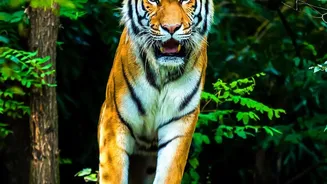
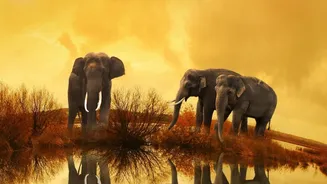
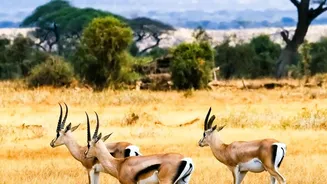
In our hyper-visual world, a trip to a national park like Ranthambore or Corbett isn't just about the experience; for many, it's about the proof. The desire to capture a stunning, frame-worthy image of a tiger, elephant, or rare bird is completely understandable.
A great photograph feels like a trophy, a tangible piece of the wild to take home. Social media feeds are filled with breathtaking close-ups, creating a subtle pressure to replicate those shots. This drive for the 'perfect picture' can sometimes make us forget a fundamental rule of the forest: we are visitors in their home. The best safari guides know that patience is the key, and that forcing an encounter by chasing or cornering an animal is not only unethical but often fruitless.
The Unseen Cost of Disturbance
To us, it might just be moving a jeep a little closer or waiting for a bird to fly. To the animal, our presence is a source of stress that has significant, often invisible, consequences. When we get too close, animals may enter a state of heightened alertness, diverting energy from essential activities like feeding, resting, or caring for their young. Repeated disturbances can cause birds to abandon their nests or mammals to shift their territories. A global study even found that human activity is causing many mammal species to become more nocturnal to avoid us, a drastic behavioral shift that can disrupt feeding habits and increase their vulnerability to different predators. The stress isn't always obvious; there may be no dramatic charge or flight. It can be a subtle increase in heart rate or stress hormones, a silent tax on their ability to survive.
Reading the Signs of a Stressed Animal
Part of being an ethical wildlife enthusiast is learning to read the room. An animal’s body language tells you everything you need to know. If an animal stops its natural behaviour—like eating or grooming—and focuses on you, you are too close. Other signs of distress include flattened ears, alarm calls, a sudden stiff posture, or simply moving away. If you cause any change in the animal's behaviour, you have crossed a line. In national parks, there are often specific distance rules—for example, staying 100 yards from predators like bears and wolves, and 25 yards from most other large animals—but the best rule is the animal's own reaction. A good rule of thumb is to use your thumb: if you can't cover the entire animal with your outstretched thumb, you are probably at a safe distance.
Better Pictures, Better Ethics
The good news is that ethical practices often lead to better photography. A stressed animal is tense and unnatural. The most compelling photographs capture an animal behaving naturally in its environment. This requires patience and distance. Instead of 'zooming with your feet,' invest in a camera with a good zoom lens or learn the art of cropping. Turn off your flash, as it can startle or even temporarily blind some animals, especially nocturnal ones. Silence your phone and speak in low voices. The goal is to become part of the background, an unobtrusive observer. When you do this, wildlife is more likely to ignore you and go about its business, offering you authentic and powerful moments to capture. Let the moment unfold, rather than trying to force it.
An Encounter to Remember
Ultimately, a wildlife safari is about connection, not collection. The memory of watching a tigress lead her cubs to a waterhole from a respectful distance, their behaviour completely natural and undisturbed, is far more valuable than a blurry close-up that sent them fleeing into the undergrowth. By prioritizing the animal's well-being, we not only act as responsible visitors but also enrich our own experience. We get to witness a truer slice of wild life, a moment that is authentic and untainted by our interference. That feeling of quiet respect and connection is the best souvenir you can bring home from the jungle.