


More Than Just a Pretty Face
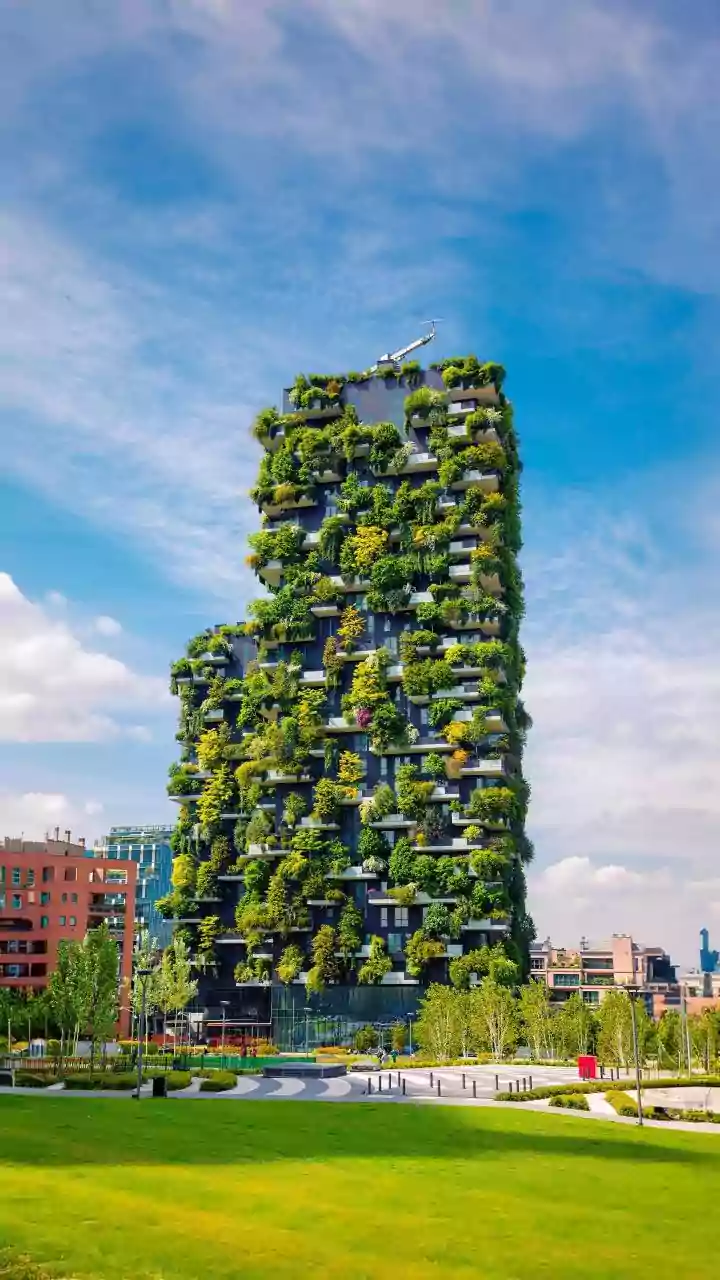
A vertical garden is far more than just a decorative element. It is a living, breathing feature that actively improves your home's environment. These green walls act as natural air purifiers, absorbing carbon dioxide and other airborne pollutants while
releasing fresh oxygen. Studies have shown that being surrounded by plants can significantly reduce stress and improve mental well-being, creating a calmer, more serene atmosphere in your home. Furthermore, living walls provide an extra layer of insulation, which can help regulate indoor temperatures by absorbing heat and creating a cooling effect through transpiration. This can contribute to a more comfortable living space and potentially lower energy bills.
Finding the Right System for Your Home
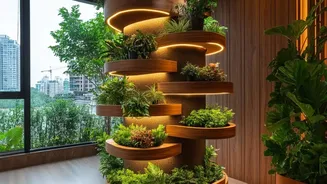
There are several types of vertical garden systems to choose from, each suited for different spaces and needs. Modular or panel systems involve individual containers or panels that are fixed to a wall, allowing for flexibility in design and easy replacement of plants. Felt pocket planters are a popular and affordable DIY option, where plants are placed in pockets made from a sturdy, breathable fabric. For the tech-savvy, hydroponic systems provide a soil-free alternative, delivering a nutrient-rich water solution directly to the plant roots. These systems can be either manually watered or fully automated with built-in irrigation, making maintenance simpler.
Choosing the Best Plants for Indian Climates
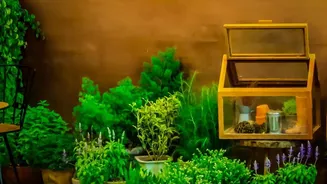
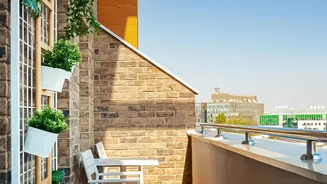
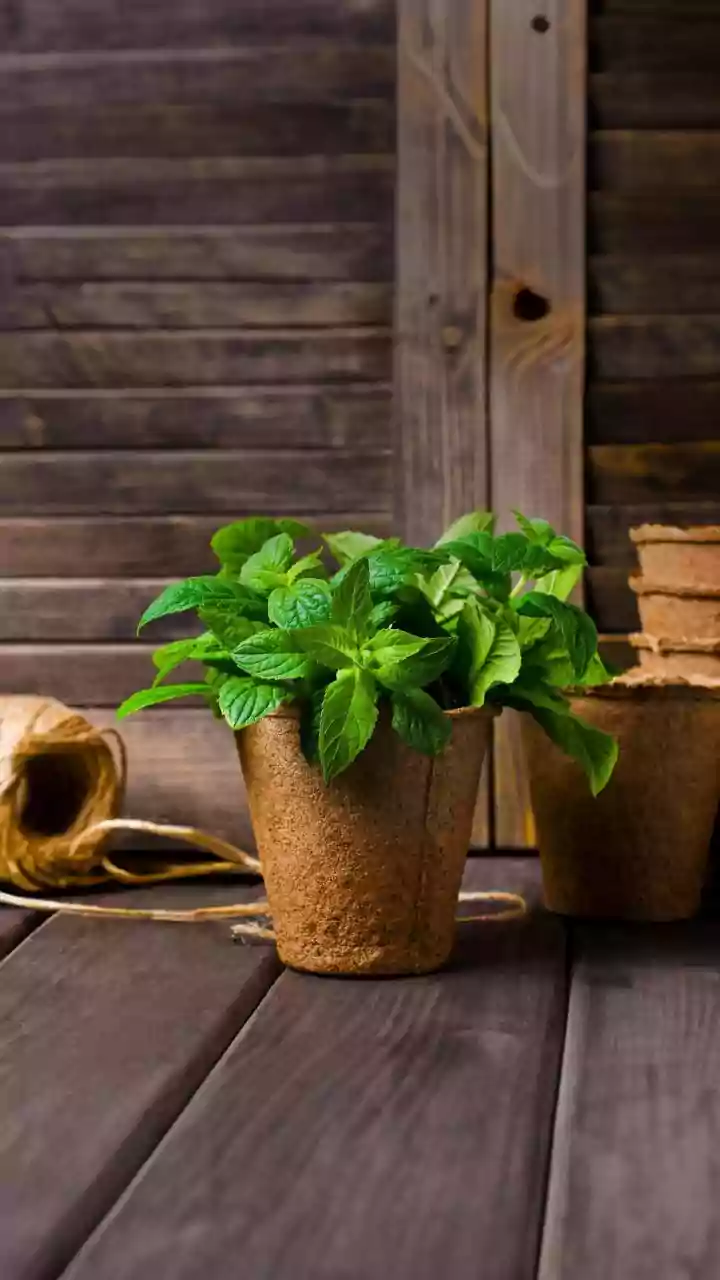
The success of your living wall largely depends on choosing the right plants. For indoor walls in India, it is best to opt for low-maintenance varieties that thrive in indirect light and can tolerate indoor conditions. Popular choices include the hardy Money Plant (Epipremnum aureum), elegant Spider Plant (Chlorophytum comosum), and colourful Syngoniums. Ferns like the Boston Fern add a lush, feathery texture and do well in humid, shaded spots. For balconies with a few hours of sun, you can even grow herbs like mint, basil, and coriander, providing fresh ingredients for your kitchen. When selecting plants, consider the light levels of your chosen wall and group plants with similar water and light requirements together.
Designing Your Green Masterpiece
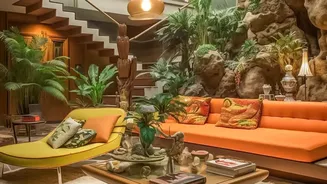
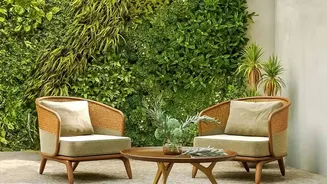
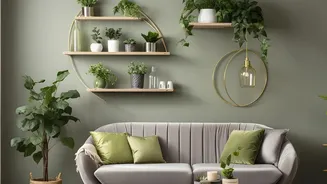
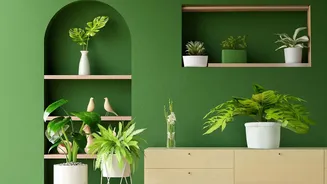
A vertical garden can be a stunning focal point in any room. In a living room, a large_scale living wall can create a dramatic, artistic statement. In a bedroom, a smaller installation can foster a sense of calm and tranquility. You can even create a living wall in a bathroom, where humidity_loving plants like ferns will thrive. Consider the overall style of your home. A rustic look can be achieved with wooden frames or repurposed pallets, while sleek, modern systems complement a contemporary aesthetic. Don't be afraid to mix different textures and colours of foliage to create a dynamic and visually interesting tapestry of green.
Keeping Your Wall Alive and Thriving
While vertical gardens are relatively low_maintenance, they do require some care to stay healthy. Watering is the most critical aspect. Depending on your system, this can be done manually with a watering can or automated through a drip irrigation system. It's important to check the soil moisture regularly, as vertical gardens can dry out faster than traditional pots. Pruning away any dead or yellowing leaves will keep the wall looking tidy and encourage new growth. Periodically, you will need to fertilise the plants to replenish their nutrients; slow_release or liquid fertilisers work well. Also, ensure good air circulation around the wall to prevent pests and fungal issues.