




A Picture-Perfect Farewell
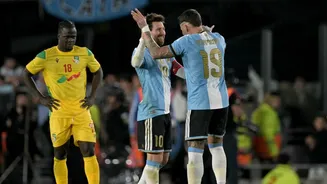
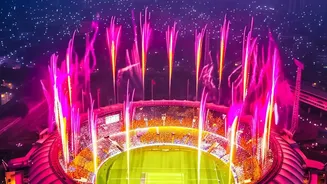
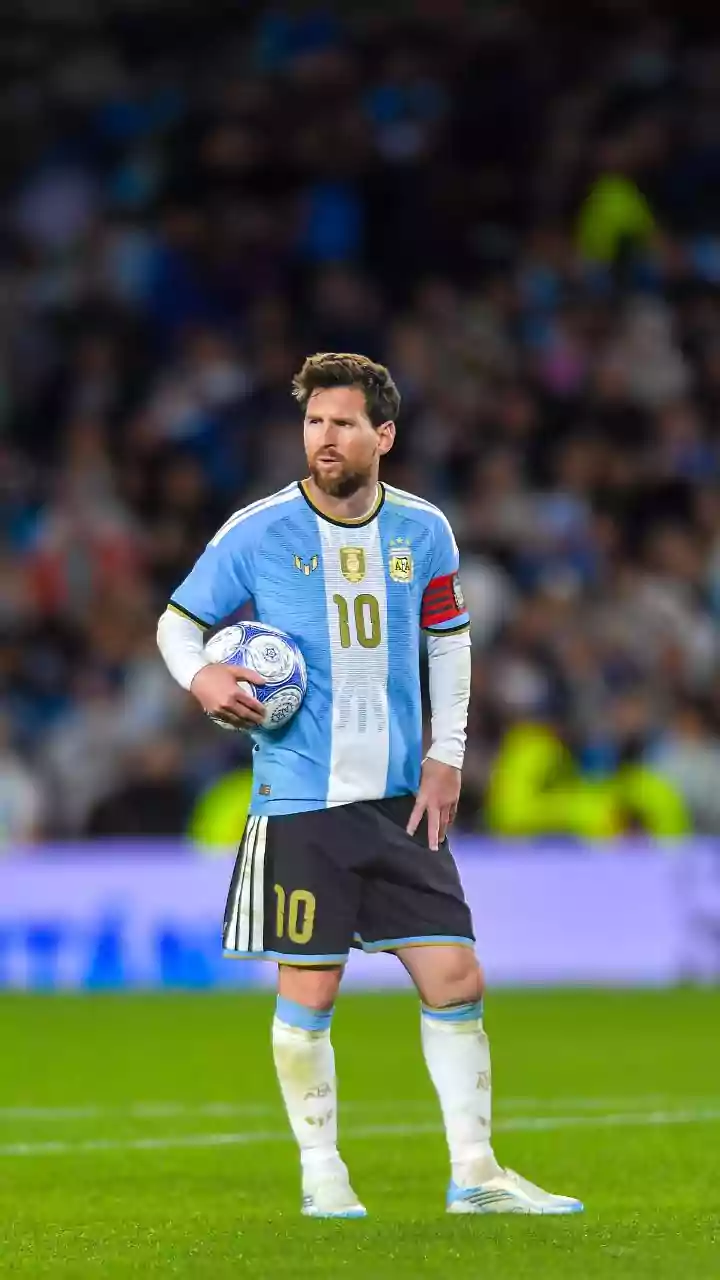
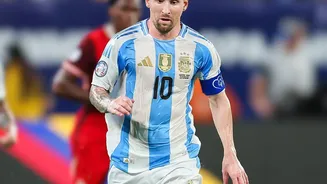
The result was almost secondary, but it played out like a storybook ending. In front of 85,000 adoring fans at a sold-out Monumental Stadium in Buenos Aires, Argentina secured a 3-0 victory over Benin in an emotional farewell friendly on October 6, 2026.
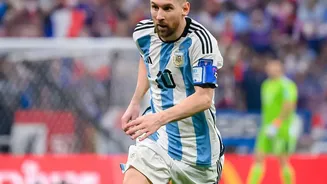
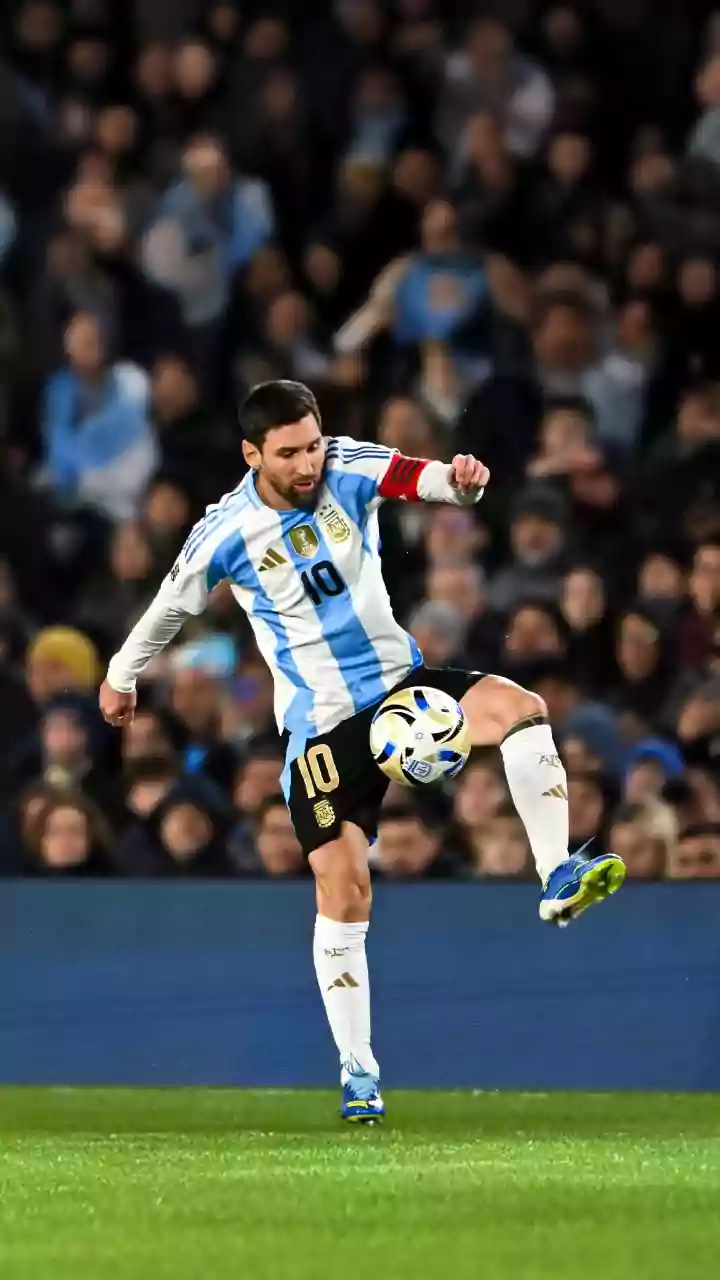
The evening was a festival of appreciation for the 39-year-old captain, complete with a giant jersey on the pitch bearing the word 'Gracias' (Thank You). Messi, who had announced his retirement in August, was central to the action one last time. He provided the assist from a corner for fellow retiring veteran Nicolás Otamendi to volley home the opening goal. Later, he set up 22-year-old Nico Paz for the second, a symbolic passing of the torch. The moment everyone was waiting for arrived in the 70th minute when Messi converted a penalty, sealing the win and scoring in his final appearance.
The Final Tally: A Career in Numbers
So, how many goals did Messi score for Argentina in his career? The farewell strike against Benin was his 126th goal for his country in what was his 208th and final appearance. This number firmly cements his status as Argentina's all-time leading goalscorer, a record he claimed back in 2016 when he surpassed Gabriel Batistuta’s previous benchmark of 54 goals. His prolific scoring is just one part of his statistical dominance. Across a 21-year international career that began in 2005, he also registered a record number of assists, with his final two in the Benin match bringing his tally to 70. He is Argentina’s most-capped player and leaves the international stage as the second-highest men's goalscorer of all time, behind only Cristiano Ronaldo.
A Long Road to Glory
For years, Messi’s journey with the Albiceleste was defined by agonizing near-misses. The immense pressure to replicate the success of Diego Maradona and deliver a major trophy weighed heavily. He carried the team to the 2014 World Cup final and the 2015 and 2016 Copa América finals, only to fall at the last hurdle each time. These losses led to intense criticism and even a brief, emotionally-charged retirement in 2016 before he was convinced to return. His career was a testament to resilience, a long and often painful quest to bring joy to a football-mad nation that desperately craved a title. This period of struggle and heartbreak only made the eventual triumphs that much sweeter for him and the millions of fans who followed his every move.
From Heartbreak to Champion
The narrative finally shifted in 2021. Leading Argentina to victory over Brazil in the Copa América final at the Maracanã Stadium ended the country's 28-year wait for a major trophy and lifted an enormous weight off Messi's shoulders. This victory kickstarted a golden era. In 2022, Argentina defeated Italy in the Finalissima, but the crowning achievement came later that year at the FIFA World Cup in Qatar. In one of the greatest finals ever played, Messi led his nation to victory over France, finally capturing the one trophy that had eluded him and cementing his place as arguably the greatest player of all time. For good measure, he added another Copa América title in 2024, further solidifying his legacy.
The End of a Golden Era
Messi's decision to retire came two and a half months after Argentina's defeat to Spain in the 2026 World Cup final. At 39, he stated that he had 'nothing left to give' and that it was time for the next generation of players to have their chance. The farewell match against Benin was not just a tribute to him, but also to other departing veterans like Nicolás Otamendi, marking a definitive end to the team that brought home the third star. While the iconic number 10 shirt will feel impossible to fill, the stage is now set for a new era of Argentine football, built on the foundations of success that Messi fought so hard to create.