








The Myth of the Universal Diet
We've all seen them: standardised charts and government-issued guidelines promising better health if we just follow the rules. Eat this many servings of grains, that much protein, and a specific amount of fruit. Yet, for many, these recommendations don't
lead to the promised results. The reason, scientists now say, is simple: we are all biologically unique. Landmark research, including the large-scale PREDICT studies, has shown that individual responses to the same foods can vary dramatically. Two people can eat the exact same meal, and one might experience a healthy, gentle rise in blood sugar, while the other sees a sharp spike that, over time, could increase their risk for conditions like type 2 diabetes and heart disease. These studies even found significant differences between identical twins, proving that genetics are only part of the story. This growing body of evidence makes it clear that what works for one person may not work for another, signalling the end of the one-diet-fits-all era.
What 'Personalised Nutrition' Really Means
Personalised nutrition is an approach that tailors dietary advice to an individual's specific needs, moving beyond generic guidance. It's founded on the principle that our bodies are all different, and it uses individual-specific information to promote sustainable health changes. This can operate on several levels. At its most basic, it considers your lifestyle, food preferences, culture, and activity levels. A more advanced approach incorporates measurable biological data, or 'biomarkers,' such as blood pressure, cholesterol, and blood sugar levels. The most sophisticated level delves into what are known as 'omics' sciences. This includes nutrigenomics, which studies how your genes influence your response to nutrients, and an analysis of your gut microbiome—the trillions of bacteria in your digestive system that play a crucial role in everything from metabolism to immunity. By combining these data points, personalised nutrition aims to create a highly specific roadmap for what, when, and how you should eat to optimise your well-being.
The Power of Your Gut and Genes
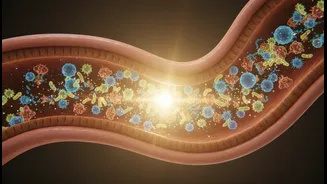
Two of the most exciting frontiers in personalised nutrition are nutrigenomics and the gut microbiome. Nutrigenomics explores how your unique genetic makeup affects the way your body processes fats, carbohydrates, and proteins. For example, variants in certain genes can make one person more sensitive to the effects of saturated fat, while another might metabolise caffeine very slowly. Understanding these genetic predispositions can empower you to make informed choices that work with your body, not against it. Simultaneously, the gut microbiome is emerging as a powerhouse of health. Research shows that the composition of your gut bacteria has a major impact on your blood fat and sugar levels after a meal. Diet is a key modulator of this internal ecosystem. A diet rich in diverse, fibre-filled plants can help beneficial microbes thrive, while a diet high in processed foods can do the opposite. Because everyone's microbiome is unique, a diet that supports one person's gut health might not be optimal for someone else.
How to Start Personalising Your Plate
While advanced genetic and microbiome testing offers deep insights, you don't need expensive tests to begin your personalised nutrition journey. The first step is to become more mindful and start listening to your body. Begin by keeping a simple food and symptom journal. Note what you eat and how you feel afterward. Do you feel energised and focused after a certain meal, or sluggish and bloated? Pay attention to your energy levels, digestion, mood, and sleep quality, as these are all valuable clues. The goal is to identify patterns and understand what truly nourishes you. From there, you can make small, sustainable changes. Prioritise whole, minimally processed foods and notice how your body responds. While consulting a registered dietitian or nutritionist can provide expert guidance for more complex health needs, this initial self-awareness is the foundation of a truly personalised approach.