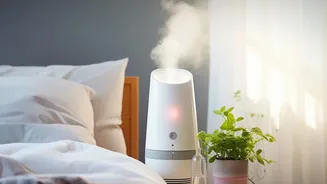







The Hazards of a Cluttered Sleep Space
Before finding solutions, it's important to understand the risks. A cluttered bedroom isn't just a matter of aesthetics; it's a safety issue. Piles of clothes, books, or other items can become tripping hazards in the dark. More critically, clutter near
your bed can contribute to poor air quality by trapping dust and allergens. Research indicates a link between messy rooms and higher levels of the stress hormone cortisol, which can disrupt your ability to fall asleep and stay asleep. From a fire safety perspective, electrical cords running under rugs or through piles of flammable materials like paper and fabric are a significant danger.
Fan Placement for Safety and Effect
Placing a fan directly on your nightstand seems logical, but it’s often the least safe and effective option. It adds to clutter and creates a concentrated stream of air that can dry out your eyes and nasal passages. For better results, place an oscillating fan a few feet away from your bed. This allows it to circulate air throughout the room rather than blasting you directly. If you have a ceiling fan, it should be installed in the center of the room, ideally above the bed, with at least 7 feet of clearance from the floor. In the summer, set the blades to rotate counterclockwise to create a cooling downdraft.
Mastering Cord Management
Trailing wires are among the biggest culprits of bedside clutter and danger. Never use extension cords as a permanent power source for appliances like fans or air conditioners. Regularly inspect all cords for signs of fraying or damage and replace them immediately if you find any issues. To keep the area tidy, use cord concealers that run along baseboards or cord shorteners that encase excess length. Where possible, plug only one high-wattage appliance into a single outlet and avoid 'daisy-chaining' power strips together, as this can overload the circuit and create a fire risk.
Rethink Your Cooling Sources
Sometimes the best way to reduce clutter is to choose different tools. A slim tower fan or a compact, bladeless fan can provide excellent airflow without the bulky footprint of a traditional box fan. Ceiling fans are another fantastic option as they keep everything off the floor. Research also points to the benefits of good ventilation for reducing the risk of SIDS (Sudden Infant Death Syndrome) by preventing the buildup of carbon dioxide, a principle that underscores the importance of fresh air for sleepers of all ages. An air purifier can also serve a dual purpose by filtering dust and allergens while creating gentle air movement.
Low-Tech, No-Clutter Cooling
You don't always need an electric device to stay cool. Improving airflow can be as simple as opening interior doors to connect your room with the rest of the house. Creating cross-ventilation by opening windows on different sides of your home is also highly effective. The materials you sleep on make a huge difference, too. Opt for breathable bedding made from natural fibers like cotton or linen. These fabrics wick moisture away from your body, helping you stay cool without adding a single cord to your room. A minimalist approach to your nightstand—keeping only essentials like a lamp, water, and a book—can also psychologically prepare you for a more restful night by reducing visual noise.