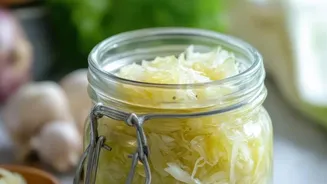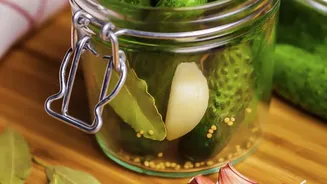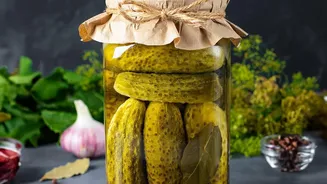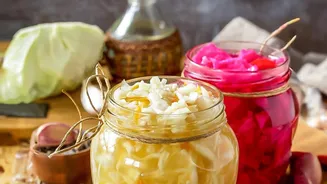


Refrigerator vs. Canned Pickles
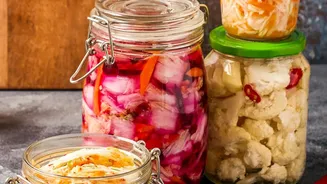
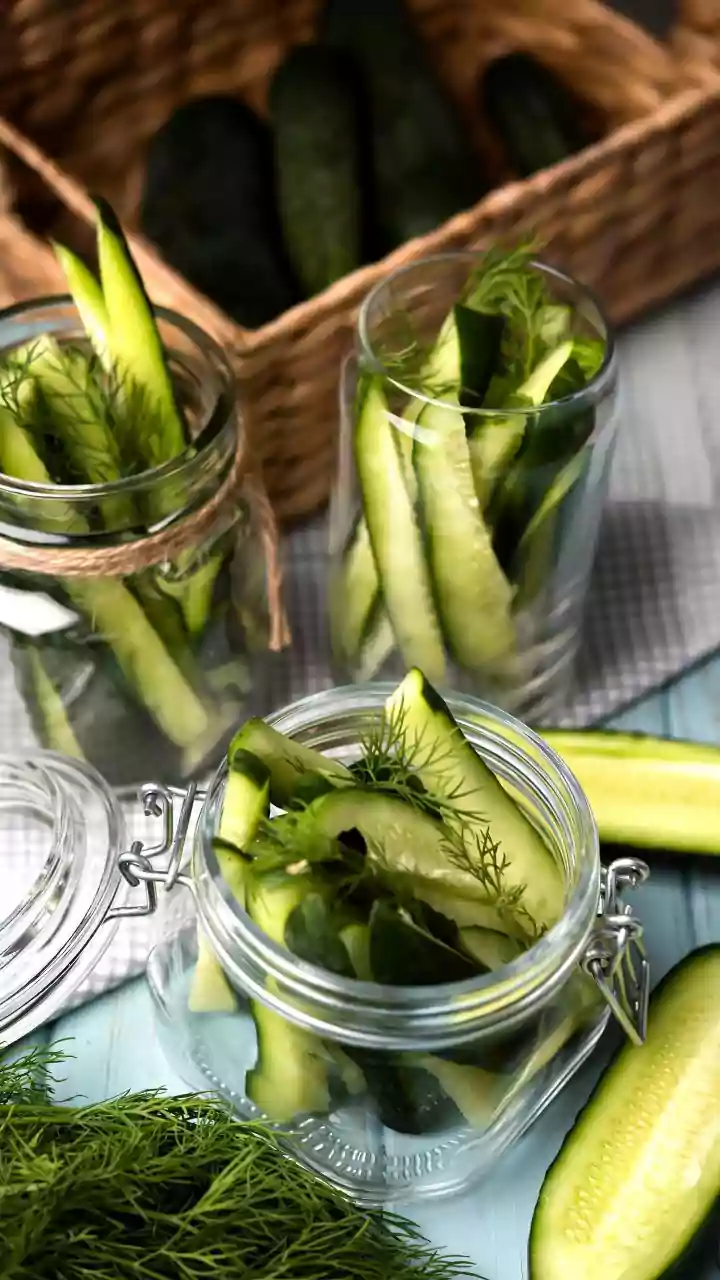
Before we talk storage, it's important to know what kind of pickle you've made. There are two main types. 'Quick pickles', also known as refrigerator pickles, are made with a vinegar brine and are not heat-processed. They must always be stored in the
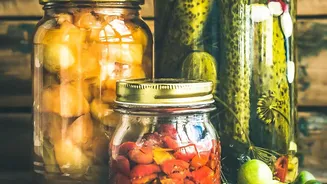
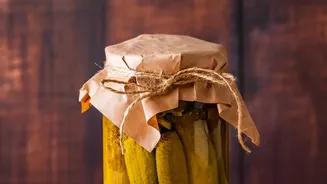
refrigerator. 'Canned pickles', on the other hand, can be either fermented or packed in a vinegar brine and are processed in a boiling water bath. This heat processing makes them shelf-stable, so they can be stored in a pantry until opened. Both methods rely on acidity to help prevent spoilage.
Storing Refrigerator Pickles
As their name suggests, refrigerator pickles belong in the fridge. Store them in a clean glass jar with a tight-fitting lid. The pickles should always be fully submerged in the brine; this acidic liquid is what protects them from bacterial growth. Never use a wet or used utensil to fish pickles out of the jar, as this can introduce contaminants. When stored properly in a refrigerator kept at 40°F (4°C) or below, quick pickles will generally last for up to three months, although some sources say they are best consumed within a few weeks for optimal texture and flavour.
Storing Canned Pickles
Properly canned pickles are shelf-stable and can be stored in a cool, dark place like a pantry for up to two years without a major loss in quality. Once a jar of canned pickles is opened, however, its shelf life changes. Like refrigerator pickles, an opened jar must be sealed tightly and stored in the refrigerator, where it will last for several months. Always keep the pickles submerged in the brine to maintain their freshness and safety.
Visual Signs of Spoilage
Your senses are your best tool for detecting spoilage. First, look at the jar before you even open it. A bulging lid is a serious warning sign, indicating gas buildup from unwanted bacteria. Once open, inspect the contents. Any visible mold—which can be white, green, black, or blue and often looks fuzzy—means the entire jar must be discarded. Do not attempt to scrape the mold off, as harmful toxins can penetrate deep into the food. A very cloudy or murky brine in vinegar-based pickles can also be a sign of spoilage, as can significant discoloration of the pickles themselves.
Smell, Texture, and Taste
If the pickles look okay, your nose is the next line of defence. Fresh pickles should smell tangy and vinegary. If you detect a foul, rotten, or unpleasantly sour odour, the pickles have gone bad. The texture is another important clue. Pickles should be firm and crisp. If they have become soft, mushy, or slimy, they are spoiled and should not be eaten. If you have any doubt about the look, smell, or texture of your pickles, the safest course of action is to discard them without tasting.
Cloudy Brine: Friend or Foe?
While a cloudy brine can signal spoilage in vinegar pickles, it’s a normal and expected sign in properly fermented pickles. This cloudiness is caused by the activity of beneficial lactic acid bacteria, which are responsible for the fermentation process. So, if you made fermented dill pickles, a cloudy brine is perfectly fine. However, in a quick-pickled product that started with a clear brine, cloudiness that develops over time is a potential red flag and should be assessed along with other signs like off-odours or mushiness.
That White Film: Kahm Yeast vs. Mold
Sometimes a thin, white, wrinkly film can form on the surface of fermented pickles. This is typically harmless Kahm yeast. It's not ideal, as it can affect the flavour, but it is not dangerous like mold. Mold, by contrast, is fuzzy and grows in distinct circular patches of white, green, or black. While Kahm yeast can be skimmed off, the appearance of any true mold means the entire batch must be thrown out. The risk of botulism in properly made pickles is very low, as the Clostridium botulinum bacterium cannot grow in the high-acid environment (a pH below 4.6) required for pickling. Following tested recipes is crucial for safety.