





What is Tteokbokki, Anyway?
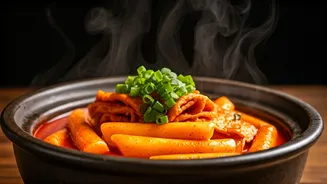
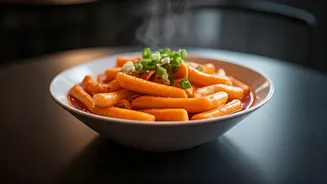
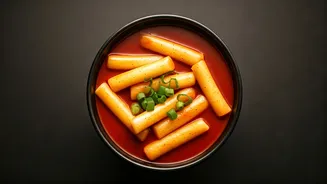
For the uninitiated, tteokbokki (pronounced 'tok-bok-ki') might seem like a mystery. At its heart, it's a simple, comforting dish made of soft, chewy cylinders of rice cakes (garae-tteok) swimming in a bright red, spicy, and slightly sweet sauce. This
iconic sauce is typically made from gochujang (Korean chilli paste) and gochugaru (Korean chilli powder), giving it a complex heat that builds with every bite. Often, the dish is bulked up with slices of fish cake (eomuk), boiled eggs, and scallions. It’s the kind of dish that’s messy, satisfying, and utterly addictive—the ultimate Korean comfort food that has found a second home in India.
The K-Drama to Dinner Table Pipeline
You can't talk about tteokbokki's popularity without talking about the Hallyu, or the Korean Wave. For years, Indian audiences have been captivated by K-dramas, and food is often a central character. Viewers watch their favourite protagonists de-stress after a long day by sharing a steaming plate of tteokbokki at a street-side stall. They see K-pop idols enjoying it during their live streams. This constant visual exposure creates a powerful sense of curiosity and craving. It’s a phenomenon known as 'gastronomic voyeurism'—we see it, we want it. Tteokbokki isn't just a dish; it's an edible piece of the culture millions have come to love. Ordering it is a way to participate in that world, to taste the life you see on screen.
A Perfect Match for the Indian Palate
While K-dramas opened the door, tteokbokki's flavour profile is what made it stay. The dish hits all the right notes for the Indian palate, which is famously accustomed to bold and complex flavours. The deep, lingering spiciness of gochujang is familiar and welcome, not unlike the heat from our own beloved curries and chutneys. The slight sweetness in the sauce provides a perfect balance, a flavour combination seen in many regional Indian cuisines. Furthermore, the chewy texture of the rice cakes, while unique, fits into a love for carb-heavy, satisfying meals. It's a one-pot wonder that offers spice, sweetness, and substance, making it a natural and exciting addition to the Indian comfort food roster.
How Delivery Apps Fueled the Fire
The final piece of the puzzle is accessibility. A decade ago, finding authentic tteokbokki in India meant seeking out a specialty Korean restaurant, which were few and far between. Today, food delivery platforms like Zomato and Swiggy have become massive cultural accelerators. The rise of cloud kitchens dedicated solely to Korean cuisine means that a hot, fresh plate of tteokbokki is just a few taps away for anyone in a metro city. These apps didn't just meet a pre-existing demand; they created a market. By making Korean food visible, accessible, and easy to order, they transformed tteokbokki from a niche interest into a mainstream craving delivered right to your doorstep.
The Gateway to Korean Cuisine
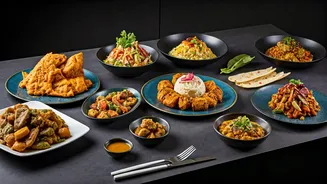
For many, tteokbokki is the first step on a much larger culinary journey. Its popularity has paved the way for other Korean dishes to gain traction. People who start with the familiar spice of tteokbokki are now branching out to try kimchi jjigae (a spicy stew), bibimbap (mixed rice bowls), and the globally famous Korean fried chicken. Restaurants and cloud kitchens are expanding their menus, confident that there's an eager audience ready to explore. Tteokbokki acts as a friendly, spicy handshake, introducing the foundational flavours of Korean cooking and encouraging diners to dive deeper into the rich and diverse world of Hansik (Korean food).