



The Daily Crush on Mumbai's Lifeline
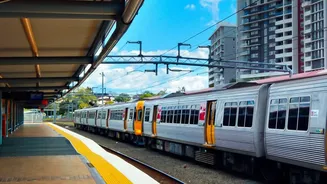
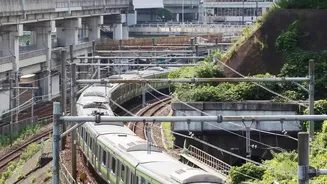
Mumbai's suburban railway network is famously called its lifeline, carrying a staggering number of passengers daily — over six million on the Central Railway and three million on the Western Railway. During peak hours, this translates into 'super-dense
crush load' conditions, where 14 to 16 people might cram into a single square metre of space. This immense pressure not only makes for an exhausting commute but also contributes to frequent delays and safety concerns. Into this already saturated system, freight trains must also be woven, competing for track space with the thousands of daily local services. This mix of slow-moving, heavy goods trains and fast-paced commuter services creates operational bottlenecks, further straining a network already stretched to its limits.
Why Goods and People Share Tracks
Historically, India's railway network was built as a mixed-traffic system, meaning the same tracks have always been used for both passenger and freight trains. Operationally, this is a constant juggling act. Passenger trains are given priority, forcing freight trains to be shunted onto sidings or held back, which slows down the movement of goods across the country. This not only creates unpredictable transit times for cargo but also has a ripple effect on the passenger network. A single freight train occupying a mainline track can delay several suburban services behind it, disrupting schedules and adding to the congestion that commuters experience every day. The fundamental difference in their speed and purpose makes sharing tracks inefficient for both types of traffic.
Introducing the Dedicated Freight Corridor
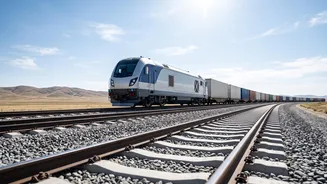
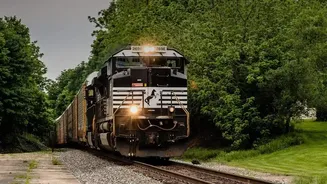
The solution is the Dedicated Freight Corridor (DFC) — essentially, a private, high-speed highway exclusively for goods trains. The key route for Mumbai is the Western Dedicated Freight Corridor (WDFC), a 1,506-kilometre electrified, double-line track stretching from near Delhi to Jawaharlal Nehru Port (JNPT) in Navi Mumbai. After nearly two decades, this massive infrastructure project is now fully operational as of September 2026. Built by the Dedicated Freight Corridor Corporation of India Limited (DFCCIL), the WDFC is designed to handle longer, heavier, and faster trains, including double-stack container trains, which can carry significantly more cargo in a single trip. By creating a separate path for freight, the DFC aims to untangle goods movement from the passenger network.
More Room and Fewer Delays for Commuters
The most immediate benefit for Mumbai's commuters is the decongestion of existing tracks. With freight traffic migrating to the WDFC, railway authorities will have more capacity on the lines currently used by suburban locals. This opens up the possibility of running more local train services, which is crucial for reducing the dangerous levels of overcrowding. According to railway officials, even a 10% increase in services could significantly improve passenger movement. Furthermore, removing slow freight trains from the suburban system means fewer unscheduled halts and signal delays for local services. This leads to improved punctuality and faster, more reliable journey times, providing much-needed relief to millions of daily travelers who will no longer be stuck waiting for a goods train to pass.
A Win for the Economy and the Environment
Beyond the daily commute, the WDFC is a major economic catalyst. It ensures faster and more reliable movement of goods from industrial heartlands to major ports like JNPT, boosting trade and making Indian exports more competitive. Faster transit times can reduce logistics costs for businesses. The efficiency of the DFC, which uses electric traction and can carry the load of hundreds of trucks in a single train, also offers significant environmental benefits. By encouraging a shift from road to rail for freight transport, it helps to reduce carbon emissions and ease traffic on congested highways. This makes the DFC a win-win, strengthening the national supply chain while also providing a greener alternative for long-haul transport.