







Your Body’s Internal Clock
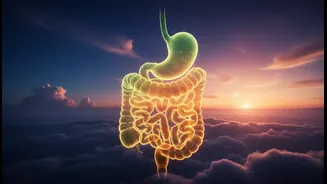
Every cell in your body operates on a 24-hour cycle known as a circadian rhythm. This internal clock, governed by a master clock in your brain, dictates everything from your sleep-wake cycle to hormone production and, crucially, your digestion. Your digestive
system isn't always on high alert; it has its own rhythm, becoming most active and efficient during daylight hours. Think of it as a factory that’s fully staffed and operational during the day but runs on a skeleton crew at night. This is why eating in sync with this natural rhythm can be so beneficial.
Why Midday is Prime Time for Digestion
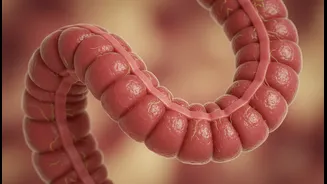
Ancient wisdom, like that from Ayurveda, has long advocated for a large midday meal, and modern science is catching up. Around noon, your digestive fire, or agni, is considered strongest. Scientifically, this translates to your body being primed for digestion. The production of digestive enzymes, stomach acid, and gut motility—the movement of food through your intestines—all peak during the day. Furthermore, your insulin sensitivity is higher earlier in the day. This means your body is more efficient at using the food you consume for energy, rather than storing it as fat. Eating a large meal late at night, when your metabolism is slowing down for rest, can lead to digestive discomfort and may contribute to weight gain over time.
The Gut Microbiome Connection
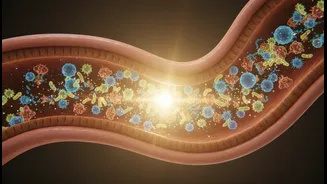
Your gut is home to trillions of microbes that play a critical role in your health, and they too follow a daily rhythm. The composition and activity of these bacteria fluctuate over a 24-hour period, influenced by your eating patterns. Consistent, daytime eating helps foster a diverse and healthy microbial community. When you eat late at night, you can disrupt these rhythms, potentially leading to an imbalance of good and bad bacteria, a condition known as dysbiosis. This disruption has been linked to increased intestinal permeability or 'leaky gut,' inflammation, and a higher risk of metabolic issues. Aligning your meals with your circadian rhythm helps keep your gut microbes happy and functioning optimally.
Practical Steps to Make the Switch
Shifting your main meal from evening to midday can feel daunting, but you don’t have to do it overnight. Start by gradually making your lunch bigger and your dinner smaller. Focus on a balanced midday meal rich in protein, healthy fats, and complex carbohydrates to keep you full and energized throughout the afternoon. Aim to eat dinner at least two to three hours before you go to bed to give your body ample time to digest. If a large lunch makes you feel sleepy, try a short walk afterward to aid digestion and combat any post-meal slump. The goal is progress, not perfection. Even small shifts, like moving 20% of your dinner calories to lunch, can make a difference.