


The First 24 Hours: Assess and Categorise
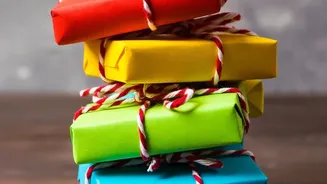
When your counter is laden with treats, the first step is a quick triage. Don't just leave everything in its gift wrapping. Take a moment to unbox and categorise your haul. Create zones for different types of food: a corner for mithai, a shelf for baked
goods, and another for savoury snacks (namkeen). This simple act of sorting gives you a visual inventory and helps you prioritise what needs to be eaten or stored first. Check for any items that look highly perishable—especially those with cream, fresh cheese, or delicate fillings—and decide to either eat or refrigerate them immediately. This initial assessment prevents the most fragile gifts from being forgotten and spoiled.
Mastering Mithai Storage
Not all Indian sweets are created equal when it comes to shelf life. The key is to identify the main ingredients. Milk-based sweets like kalakand, sandesh, rasgulla, and rabri are highly perishable and must be refrigerated right away. They are best consumed within one to three days. Sweets made with khoya, like milk cake or pedas, can last slightly longer in the fridge, typically up to four days. On the other hand, ghee and dry fruit-based sweets are the endurance champions. Items like kaju katli, besan ladoo, and dry fruit barfi can comfortably last for seven to ten days at room temperature when stored in an airtight container away from direct sunlight. Ghee-based sweets like mohanthal can even last up to 15 days. For these, refrigeration can harden the ghee and spoil the texture, so it's best avoided unless you plan to store them for longer.
Handling Baked Goods and Savouries
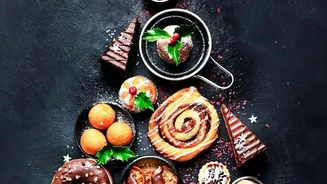
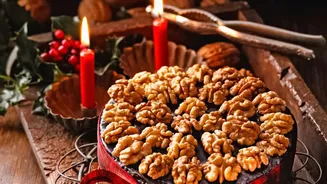
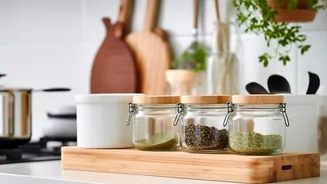
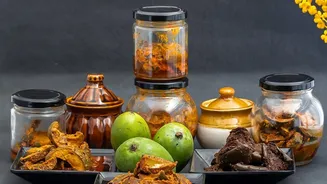
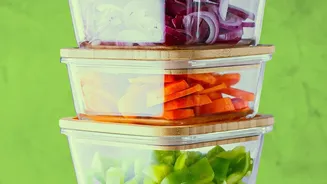
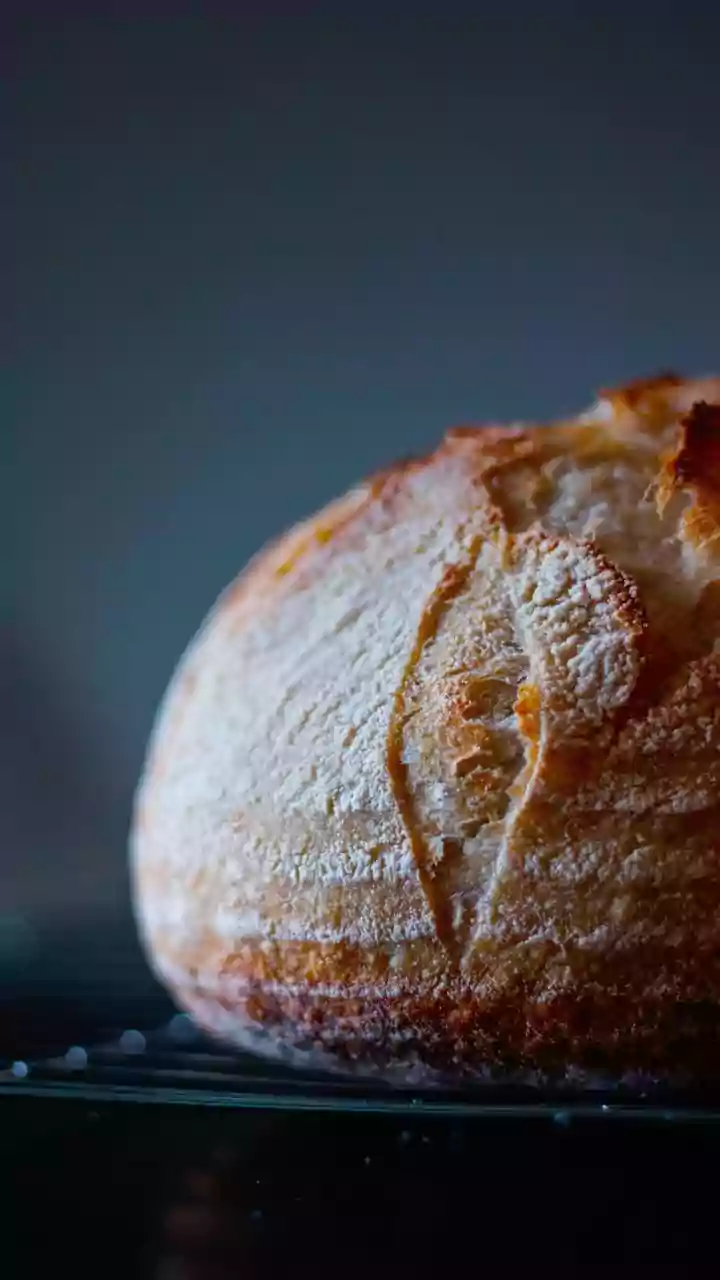
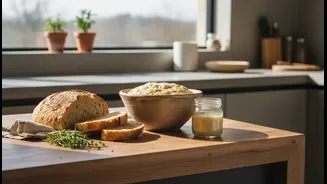
Festive gifts often include an array of baked treats like cakes, cookies, and breads, alongside savoury snacks. Most cookies, crackers, and dry namkeen like sev and chakli have a good shelf life if protected from their biggest enemy: moisture. Store them in airtight tins or glass jars in a cool, dry place to maintain their crunch. Placing a small, food-safe moisture absorber or even a little pouch of uncooked rice in the container can help manage humidity. For cakes and breads, storage depends on the type. Simple, unfrosted cakes and breads can be kept covered at room temperature for a few days. However, anything with cream cheese frosting, custard fillings, or fresh cream must be refrigerated immediately and eaten within a couple of days.
The Power of the Freezer
When you have more than you can possibly eat in a week, the freezer is your best friend. Many festive foods freeze surprisingly well, extending their life for weeks or even months. Ghee-based and dry fruit mithai like barfis and ladoos can be frozen effectively. To do this properly, wrap individual pieces in foil or plastic wrap, then place them in a freezer-safe airtight container or bag. This double layer protects them from freezer burn. Baked goods like cookies, brownies, and unfrosted cakes also freeze well. When you’re ready to enjoy them, thaw them slowly in the refrigerator or at room temperature; avoid using a microwave as it can ruin the texture. Avoid freezing milk-based or syrup-heavy sweets, as they tend to degrade upon thawing.
Get Creative to Reduce Waste
Even with the best storage plans, you might find yourself with an excess of certain items. Instead of letting them go stale, think about repurposing. Crumbled Christmas cake or cookies can be transformed into a base for a trifle or mixed into brownies. Leftover chocolate Santas or festive candies can be melted down to make a decadent hot chocolate, blended into milkshakes, or used as a topping for ice cream. Stale, savoury snacks can be crushed and used as a crunchy coating for fried chicken or added to a snack mix. Getting creative not only prevents food waste but also allows you to enjoy the flavours of the festival in new and exciting ways.