







What 'Peak Season' Really Means
In the worlds of travel and food, “peak season” is a marketing term that signals when a place or product is in highest demand. This usually aligns with the best weather for a destination, school holidays, or major festivals. While it suggests an ideal
time, it also guarantees the highest prices, the biggest crowds, and the longest queues. The label is a broad generalisation, treating entire countries or even hemispheres as a single entity, which can be misleading. In a country with as many climates and cultures as India, this one-size-fits-all approach often fails, obscuring far more interesting and authentic opportunities.
The Wisdom of the Local Calendar
Instead of chasing a global standard, tuning into local calendars—for both agriculture and culture—unlocks a more nuanced and richer way to experience the world. India is a perfect example. A single national produce calendar doesn't really exist because the country has numerous climate zones and seasons. What’s ripe and fresh in Maharashtra might be weeks away from harvest in Punjab. Similarly, the travel “season” is not uniform. While winter is considered peak for Goa's beaches, the monsoon turns the same region into a lush, green paradise that is becoming increasingly popular with travellers seeking unique experiences.
A Taste of True Seasonality
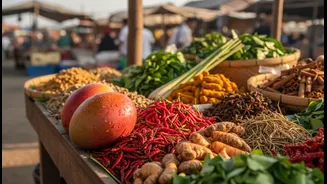
Food is where the local calendar truly shines. Take the mango, India's most iconic fruit. There isn’t just one “mango season.” It's a rolling wave of over a thousand varieties that moves across the country. The season starts as early as February or March in southern states, with varieties like Alphonso peaking in April and May, while northern varieties like Chausa and Langra are harvested well into July. The same principle applies to countless other foods. Winter brings crisp apples from Himachal Pradesh and juicy oranges from Nagpur. The monsoon delivers unique produce like jamun and fresh plums. Eating according to this hyper-local calendar means better flavour, higher nutritional value, and fresher produce that hasn't spent weeks in cold storage.
Rethinking Your Travel Plans
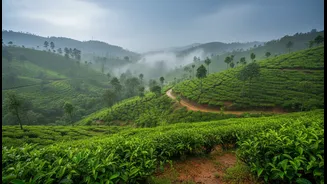
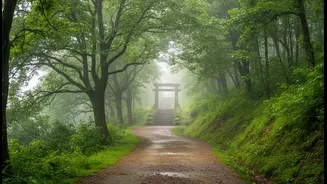
Applying this local logic to travel can transform your holidays. The so-called “off-season” often holds the best experiences. Travelling to states like Kerala or Goa during the monsoon means you'll see landscapes burst into vibrant green, waterfalls roar to life, and popular spots will be far less crowded. This period, once avoided by tourists, is now seeing a travel boom as people discover its unique charm. Hill stations in the shoulder seasons—just before or after the main rush—offer pleasant weather without the peak-season crowds. This approach not only leads to a more peaceful and authentic trip but also often comes with the significant benefits of lower prices on flights and hotels.
The Rewards of Local Timing
Shifting your mindset from a generic “peak season” to a specific local calendar comes with a host of advantages. You eat fresher, more flavourful food that is better for you. You travel to destinations when they are arguably at their most beautiful, without the hassle of overcrowding. This allows for more authentic interactions and a slower, more immersive experience. Furthermore, you often save a considerable amount of money, as prices for accommodation and transport are lower outside the main tourist rush. By timing your activities to the true rhythm of a place, you support local economies more directly and enjoy a much higher quality of experience.