




The Morning Surge: Awakening Body and Mind
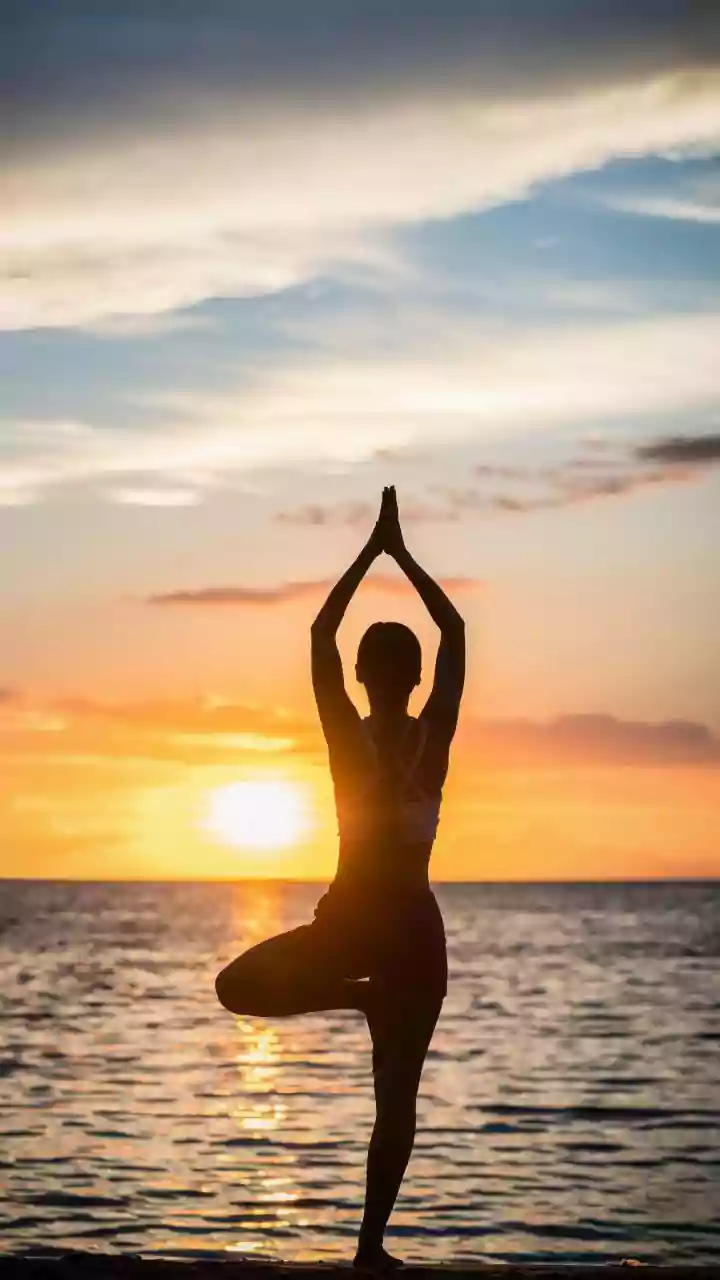
Starting your day with yoga can set a positive and energetic tone. A morning practice works in harmony with your body’s natural rhythm, specifically the circadian rhythm that governs your sleep-wake cycle. Upon waking, your body experiences a natural rise
in cortisol, a hormone that promotes alertness. An energising morning yoga session can complement this process, helping to gently awaken the body, improve circulation, and clear away any lingering grogginess. Dynamic movements and flowing sequences increase blood flow and oxygen to the brain, enhancing mental clarity and focus for the day ahead. This intentional movement kickstarts your metabolism and can help establish a consistent, healthy routine.
Sunrise Poses for Vitality
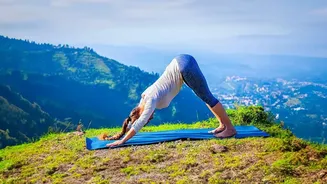
Not all poses are created equal when it comes to an energy boost. Morning practices often feature dynamic sequences like Sun Salutations (Surya Namaskar), which warm up the entire body and link breath with movement. Poses that open the chest and create a gentle backbend, such as Cobra (Bhujangasana) or Upward-Facing Dog (Urdhva Mukha Svanasana), can be particularly invigorating. These postures are thought to stimulate the adrenal glands and can increase alertness. Standing poses like the Warrior series build heat and strength, while invigorating breathing techniques, such as Kapalbhati, are known to generate warmth and purify the body's energy channels.
The Evening Wind-Down: Preparing for Rest
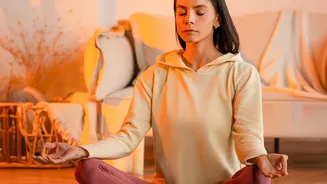
As the day concludes, your body’s needs shift from activation to relaxation. An evening yoga practice is designed to help you shed the physical and mental tension accumulated throughout the day. The goal is to transition your nervous system from the sympathetic 'fight-or-flight' state to the parasympathetic 'rest-and-digest' state. This shift is crucial for relaxation and preparing for a good night's sleep. A gentle evening session can help lower cortisol levels, which should naturally be declining as bedtime approaches. By calming the mind and releasing muscular tightness, evening yoga creates the ideal internal environment for restorative sleep.
Moonlit Poses for Deeper Calm
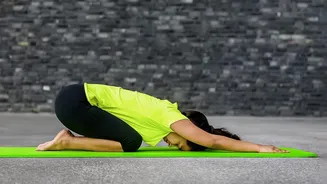
An evening yoga sequence should be soothing and grounding. Restorative poses, which use props like pillows and blankets for support, are perfect for this purpose. One of the most celebrated poses for relaxation is Legs-Up-the-Wall (Viparita Karani), which improves circulation and calms the nervous system. Gentle forward folds, such as Child’s Pose (Balasana), help quiet the mind and stretch the back. Slow, supported spinal twists can release tension in the spine and abdomen, aiding digestion. The focus in these poses is not on achieving a deep stretch but on finding stillness and allowing the body to feel completely supported, signalling that it is safe to unwind.
Aligning with Your Personal Rhythm
While the science points to distinct benefits for morning and evening yoga, the most important factor is consistency. The best time for you to practice yoga is ultimately when you can reliably make it to your mat. Some people may find that a short, energising flow in the morning and a few calming poses before bed offers the best of both worlds. Pay attention to how your body feels and what your personal goals are. If you need an energy boost to replace your third cup of coffee, morning yoga is your answer. If you struggle to quiet a racing mind at night, an evening practice could be transformative. Experiment and listen to your body’s unique needs.