




Jowar (Sorghum): The All-Rounder
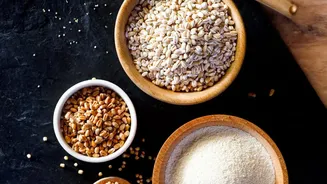
Jowar, also known as sorghum, is a gluten-free powerhouse that deserves a place in your kitchen. It is packed with protein, B vitamins, and minerals like magnesium, iron, and copper. Its high fibre content promotes good digestion and can help you feel
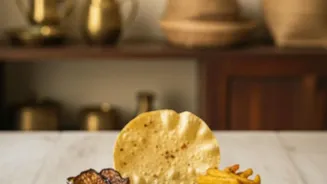
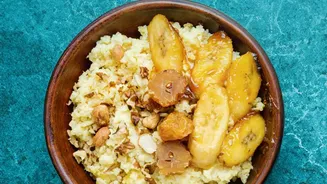
full for longer, which is great for weight management. Unlike wheat, jowar has a lower glycemic index, which helps in managing blood sugar levels. The flavour is mild and slightly earthy, making it incredibly versatile. You can swap your regular wheat rotis for soft jowar bhakris, create a hearty porridge, or use whole jowar grains to make a nutritious upma or khichdi. Because it's gluten-free, it’s an excellent option for those with sensitivities.
Bajra (Pearl Millet): The Winter Warmer
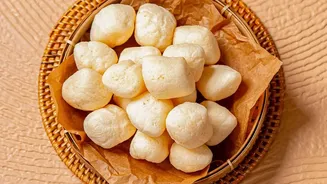
Traditionally popular in the colder months, bajra is a dense and warming grain with impressive health benefits. It's an excellent source of iron, which helps in preventing anemia and boosting energy levels. Bajra is also rich in magnesium, which is crucial for heart health and regulating blood pressure. Like other millets, it's high in fibre and naturally gluten-free. While bajra roti is a classic pairing with dals and vegetable curries, you can also use it to make khichdi, pancakes, or even a savoury dhokla. Its robust flavour adds a wonderful new dimension to familiar dishes.
Ragi (Finger Millet): The Calcium King
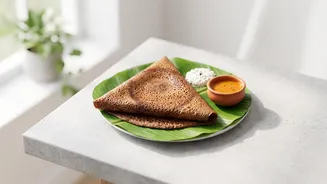
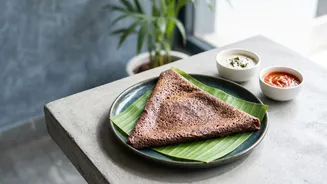
If you're looking to boost your calcium intake naturally, look no further than ragi. This humble millet contains significantly more calcium than wheat and many other cereals, making it fantastic for bone health. It is also a good source of iron and fibre. Ragi's versatility is one of its greatest strengths. You can start your day with a nourishing ragi malt or porridge, sweetened with a little jaggery. Ragi flour can be used to make everything from dosas and idlis to rotis and even healthy cakes and cookies. Its earthy taste pairs well with both sweet and savoury flavours, offering endless possibilities.
Amaranth (Rajgira): The Ancient Seed
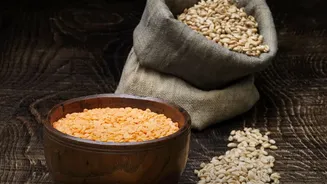
Often associated with fasting foods, rajgira, or amaranth, is too nutritious to be saved only for special occasions. Technically a 'pseudocereal' rather than a grain, amaranth is a complete protein, meaning it contains all the essential amino acids. It's also rich in minerals like magnesium and iron and is naturally gluten-free. You can cook the seeds like a porridge or add them to soups. The flour can be used to make rotis, puris, or cheelas. Popped amaranth seeds are a popular snack and can be made into chikkis or laddoos or simply sprinkled over your morning cereal for an added crunch and protein boost.
Making the Switch Simple
Incorporating these grains doesn't require a complete overhaul of your cooking style. Start small. Try swapping one meal a week. Instead of rice, try a millet-based dish. Instead of wheat rotis, try making them with jowar or bajra flour. Many recipes simply adapt familiar dishes, such as making upma or poha with millets instead of semolina or flattened rice. You can find these grains as whole seeds or as flour in most grocery stores, making it easy to begin your journey into a more diverse and flavourful diet.