





First, Check the Source
The first question to ask is: who is making the claim? Is it a recognised news organisation with a history of credible reporting, or is it a random social media account, a WhatsApp forward, or a blog you’ve never heard of? Misinformation often originates
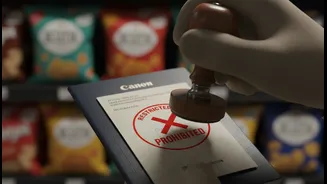
from unverified sources that play on emotion and national pride. Be wary of accounts that lack specific details or use overly dramatic language. Official-looking logos and banners can be easily faked. A truly important food safety announcement will be covered by multiple reputable news outlets, not just one obscure source. Look for professional journalism rather than sensationalist posts designed to generate clicks and shares.
Go Straight to the Regulator
Every country or region has a food safety authority responsible for recalls and public health alerts. These are the primary sources of truth. Instead of trusting a screenshot, go directly to their websites. For claims in the United States, check the Food and Drug Administration (FDA) website. For the United Kingdom, it's the Food Standards Agency (FSA). For Europe, look for reports from the European Food Safety Authority (EFSA). In Asia, key bodies include the Singapore Food Agency (SFA) and Hong Kong's Centre for Food Safety (CFS). These organisations issue official statements detailing the product, the reason for the action, and the specific batches affected. If you can't find the claim on their official sites, it’s a major red flag.
Understand the Specifics of the Claim
Not all regulatory actions are the same. A common point of confusion is the difference between a product recall and a blanket ban. A recall is often limited to specific batches of a product that were found to be contaminated or mislabelled. For instance, a 2023 recall of some Everest and Maggi products in the US was due to Salmonella contamination in specific lots imported by a particular agency, not a ban on all products from those brands. Similarly, actions taken by Hong Kong and Singapore in 2024 against certain MDH and Everest spices were due to levels of ethylene oxide, a sterilising agent, that exceeded their specific regulatory limits. This highlights another key point: regulations differ. A substance may be permitted at one level in India or the US but have a much lower limit or be banned in the EU or Hong Kong.
Read Beyond the Sensational Headline
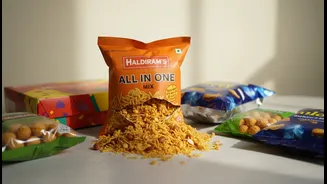
Headlines are designed to grab attention and often oversimplify a complex situation. A headline might scream "Indian Spices Banned!" when the reality is that a few specific products from certain brands are under scrutiny or have been recalled. Always read the full article. Reputable reporting will provide context, specify the products and regions involved, and often include comments from the company and regulatory bodies. For example, in the case of the ethylene oxide controversy, some reports noted that while long-term exposure may pose a health risk, there was no immediate danger from consuming the products. This crucial nuance is often lost in viral social media posts, which thrive on panic and outrage.
Verify the Date of the Claim
The internet never forgets, which means old news can be easily repackaged and presented as a current crisis. A recall from 2019 or 2023 can suddenly go viral in 2026, causing unnecessary alarm. Before sharing, always check the publication date of the article or the official announcement. A quick search for the brand name and the alleged issue will usually reveal if the news is outdated. Spreading old news not only creates confusion but can also unfairly damage a brand's reputation long after the issue has been resolved. Responsible sharing means ensuring the information is timely and relevant to the current situation.
Look for Independent Corroboration
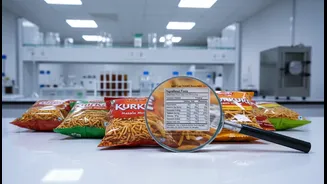
Don't rely on a single report. If a food safety issue is legitimate and significant, multiple independent news sources and international agencies will be reporting on it. Cross-reference the claim across several trusted media outlets in India and abroad. If only one or two sources are reporting a major 'ban', and they are not official regulatory bodies, be skeptical. In recent cases involving Indian spices, major news agencies like Reuters, as well as national news outlets in India, covered the story, providing balanced perspectives from regulators in Hong Kong, Singapore, and the US FDA. This breadth of coverage is a sign that the story is credible, though it's still vital to read the details carefully.