

An Ancient Culinary Heritage
Long before wheat and rice dominated Indian fields and plates, millets were the primary source of nourishment for centuries. Evidence of their cultivation dates back thousands of years to the Indus Valley Civilization. Ancient texts like the Yajurveda
mention varieties such as foxtail millet (priyangava) and barnyard millet (aanava), indicating their widespread use. Across the subcontinent, communities relied on the resilience of these grains. From jowar (sorghum) in the drylands of the west and central regions to ragi (finger millet) in the south, millets were a dietary staple. Traditionally prepared as porridges, flatbreads like bhakri, and fermented foods, they were perfectly adapted to India's diverse and often harsh climates, thriving in drought-prone areas with minimal water.
How Millets Became a Forgotten Food
Despite their long history, millet consumption saw a sharp decline in the latter half of the 20th century. The Green Revolution, while crucial for ensuring food security, heavily prioritized high-yield varieties of wheat and rice. These crops were supported by government policies, including incentivized procurement and inclusion in the Public Distribution System (PDS). As a result, farming priorities shifted, and the area under millet cultivation shrank dramatically. Millets began to be perceived as 'coarse grains' or 'poor man's food', associated with rural or ancestral diets rather than modern urban life. This shift in perception, coupled with a lack of processing infrastructure and knowledge of modern recipes, pushed these nutritious grains to the sidelines of the Indian diet.
The Great Millet Revival
In recent years, a powerful resurgence has brought millets back into the spotlight. This revival is driven by a growing awareness of their immense health benefits and environmental advantages. Millets are nutritional powerhouses—naturally gluten-free, rich in protein, dietary fibre, and essential minerals like iron, calcium, and magnesium. Ragi is celebrated for its high calcium content, bajra for iron, and jowar for its antioxidants. Their low glycemic index makes them an excellent choice for managing blood sugar levels. The turning point was India's proposal to the UN, which led to 2023 being declared the 'International Year of Millets'. This global recognition, coupled with domestic initiatives like the National Food Security Mission, has significantly boosted awareness and encouraged farmers to return to millet cultivation.
Beyond Bhakri: Millets in the Modern Kitchen
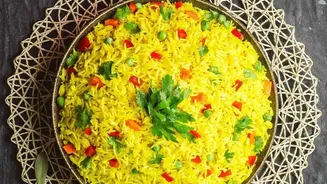
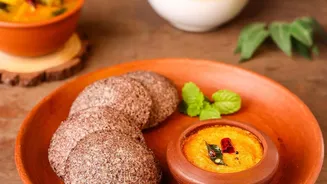
The true sign of the millet comeback is its creative adaptation in modern Indian kitchens. Chefs and home cooks are moving far beyond traditional preparations. Millets are now the star ingredients in a host of innovative dishes. You can find foxtail millet in salads and pulaos, ragi in dosas, cookies, and even noodles, and jowar flour being used for savoury pancakes. The versatility of these grains is being fully explored. Creative recipes include millet-based khichdi, upma, soups, and even desserts like payasam and ladoos. This culinary experimentation has been key to their renewed popularity, proving that healthy eating does not have to compromise on taste or variety. From upscale restaurants to home kitchens, millets are being embraced for their texture, flavour, and adaptability.