




The Double-Edged Sword of Monsoon Beauty
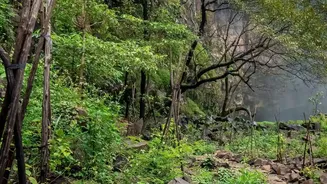
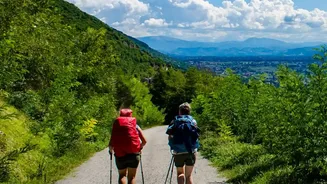
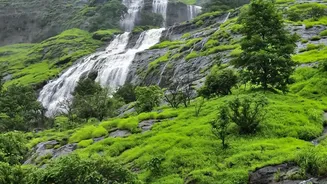
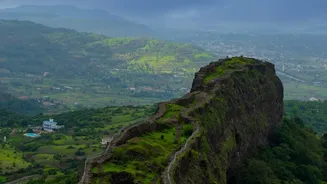
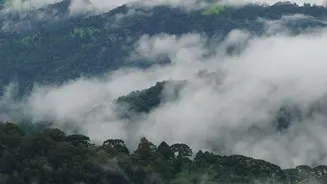
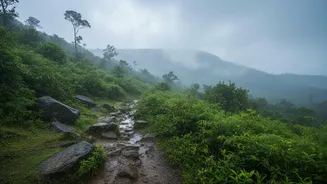
During the rainy season, the Western Ghats are breathtaking, with cloud-covered mountains and gushing waterfalls. However, this beauty also brings challenges. The rain makes trails treacherous, with slippery rocks and muddy slopes significantly increasing
the risk of falls. Small streams can swell into impassable torrents, and the constant dampness can lead to its own set of problems if you're not equipped to handle it. The primary dangers aren't just the rain itself, but flash floods in narrow gullies and slick volcanic rock that can become as slippery as glass when wet. Proper planning and choosing the right trail for your experience level are the first steps to a successful monsoon trek.
Gear Up: Your Monsoon Armour
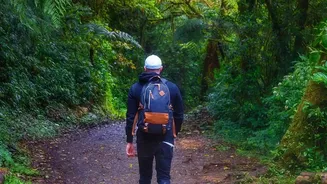
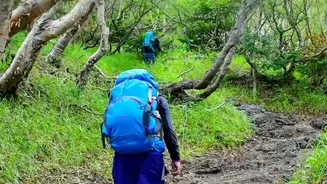
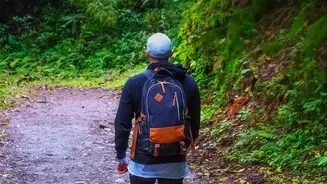
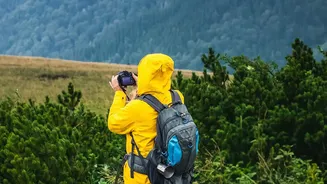
Your gear is your first line of defence against the elements. The single most important decision is your footwear. Standard sports shoes or sneakers are dangerously inadequate. You need trekking shoes with deep grooves for aggressive grip on wet, mossy surfaces, and good ankle support. Next is rain protection. A high-quality poncho is often better than a simple raincoat because it can cover both you and your backpack, keeping essential supplies like dry clothes and electronics safe. Speaking of which, pack everything inside your backpack in separate dry sacks or plastic bags. A rain cover for your backpack is a must, but it's the internal waterproofing that will save your gear during a downpour. Opt for quick-drying synthetic clothing; cotton should be avoided as it absorbs moisture, gets heavy, and can lead to hypothermia even in mild temperatures.
The Little Monsters: Leeches and Insects
Yes, you will encounter leeches. They are a common and unavoidable part of monsoon treks in the Western Ghats. While their bites are harmless and don't transmit diseases, they can be unsettling. The best defense is to block their entry. Wear long pants tucked into your socks. Specialised leech socks, which are tightly woven and extend up to the knee, are a worthwhile investment. If a leech does latch on, don't panic or pull it off, which can leave its mouthparts in your skin. Instead, apply a bit of salt, hand sanitiser, or Dettol, and it will detach on its own. Besides leeches, a good insect repellent will help keep other bugs at bay.
Respecting the Local Wildlife
The Western Ghats are a biodiversity hotspot, and trekking here means you are a guest in the home of countless species, from tiny frogs to large mammals like elephants and gaur. Encounters with snakes are possible, so always be watchful of where you step and never walk through dense undergrowth without a guide. Larger animals generally avoid humans, but it's crucial to know how to react. Elephants, especially lone tuskers or mothers with calves, can be dangerous if surprised. Never attempt to get close to or feed any wild animal. Making noise while you walk can alert animals to your presence, giving them a chance to move away. The rustle of a snake or the distant call of a langur is part of the experience; it’s a reminder to stay alert and show respect.
The Human Element: Guides and Responsibility
One of the best safety measures you can take is to hire a local guide. They possess invaluable knowledge of the terrain, weather patterns, and safe stream-crossing points. A guide can spot animal signs you would miss and understands the difference between a marked trail and a misleading animal path. They are your connection to the local ecosystem and culture, turning a simple walk into a rich learning experience. Beyond safety, trekking responsibly is key. Follow the principle of 'Leave No Trace.' Pack out everything you pack in, including food wrappers. Don't take shortcuts, as this can cause soil erosion and damage delicate flora. By trekking with awareness and respect, you help preserve the stunning beauty of the Western Ghats for future generations.