





The Smart Choice: Why Seasonal and Local Wins
Opting for seasonal and local produce is a powerful strategy for both your health and your finances. When fruits and vegetables are in season, their abundance drives down prices, making them significantly more affordable. This produce is harvested at its peak
ripeness, which means it’s not only bursting with flavour but also packed with a higher concentration of nutrients. Out-of-season items, on the other hand, are often transported over long distances or grown in artificial conditions, which diminishes their nutritional value and increases their cost. By purchasing from local farmers, you get the freshest ingredients possible while also supporting your local economy. It’s a simple shift that results in tastier meals, better nutrition, and more money in your pocket.
Summer Lunchbox Superstars (March–June)
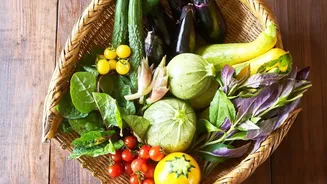
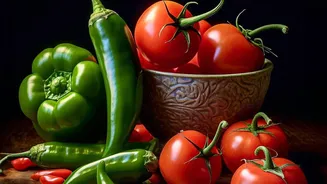
The Indian summer brings a bounty of produce perfect for light and hydrating meals. Cooling vegetables like bottle gourd (lauki), cucumber, and ladyfinger (bhindi) are widely available and inexpensive. Fruits such as mangoes, watermelon, and muskmelon are at their sweetest and juiciest, perfect for beating the heat. For your lunchbox, think about a simple lauki sabzi with rotis, or a refreshing cucumber and tomato salad. A bhindi stir-fry is a quick and easy option that packs well. For a sweet treat, a small container of freshly cut watermelon or a juicy mango can make your midday meal feel like a feast.
Monsoon Meal Magic (July–September)
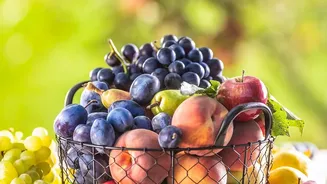
The monsoon season introduces a different variety of produce. Gourds like bitter gourd (karela), ridge gourd (turai), and pointed gourd (parwal) are staples during these months. Corn on the cob (bhutta) also becomes a popular and affordable choice. Traditionally, these vegetables are valued for their immunity-boosting properties, which are especially welcome during a season known for infections. A simple turai ki sabzi or a stuffed parwal can be a comforting and healthy lunch. Corn can be boiled and lightly spiced for a simple side, or its kernels can be added to a pulao. Fruits like jamun, peaches, and pears also make their appearance, offering a different flavour profile for your palate.
Winter Wellness Wonders (October–February)
Winter is arguably the best season for vegetables in India, with markets flooded with fresh, green produce. Leafy greens like spinach (palak), fenugreek (methi), and mustard greens (sarson) are abundant and cheap. This is also the season for vibrant carrots, peas, radishes, and beetroots. A classic aloo palak or methi thepla makes for a nutritious and filling lunch. A simple beetroot and carrot salad provides a crunchy, nutrient-dense side. Winter is also peak season for citrus fruits like oranges and sweet limes, as well as guava and pomegranate, which are excellent for boosting immunity.
Tips for Smart Shopping and Packing
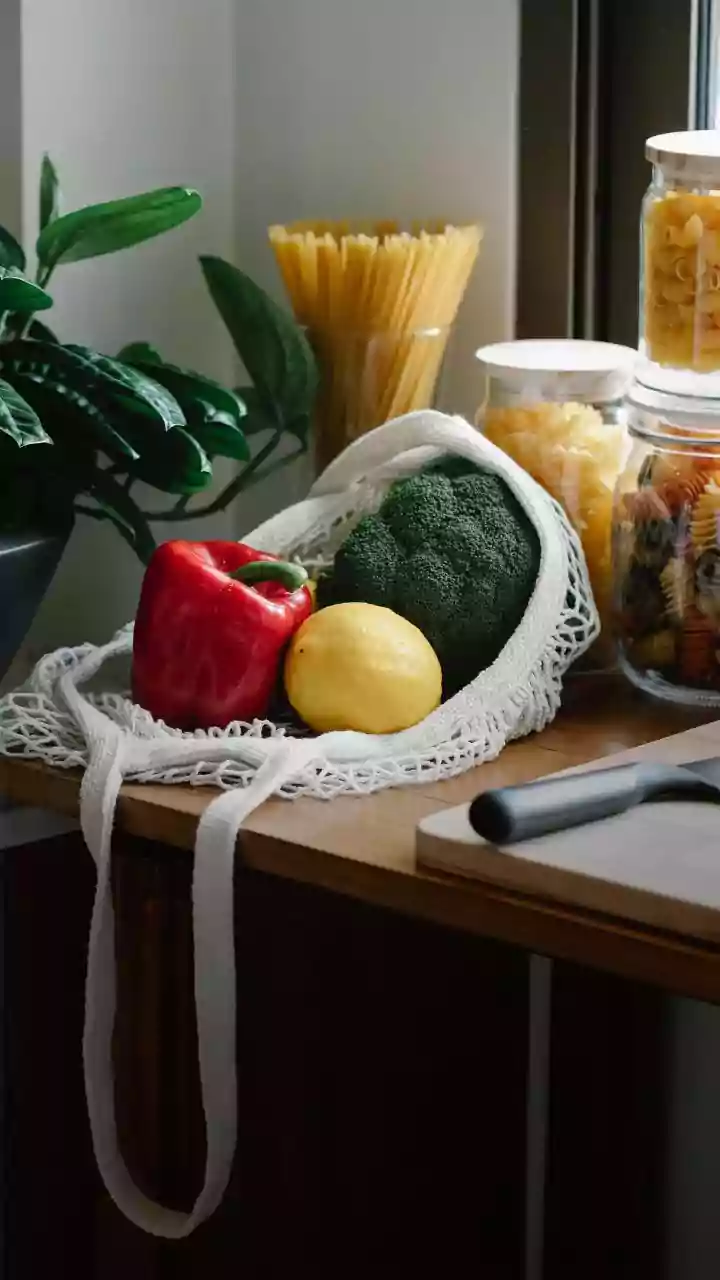
To make the most of seasonal produce, plan your meals for the week before you shop. This helps you buy only what you need and reduces food waste. Visiting your local mandi or farmer's market often yields fresher produce at better prices than supermarkets. For your lunchbox, focus on dry or semi-dry preparations like stir-fries (sabzis), pulaos, and stuffed parathas, as they travel well. You can prep some ingredients over the weekend, such as chopping vegetables or making a base gravy, to speed up your morning routine. Packing a small portion of a seasonal fruit salad or some curd rice can round out your meal perfectly, making your lunch something to look forward to every day.