


The secret to better health might be hiding in your kitchen, rooted in age-old traditions. Fermented foods are making a major comeback, and for good reason. They are a simple, natural way to support the complex world living inside your gut.
Your Gut: A Thriving Inner World
Before we talk
about solutions, let's understand the problem. Your gut is home to trillions of microorganisms, including bacteria, fungi, and viruses, collectively known as the gut microbiome. Think of it as a bustling, unique community that is essential for your well-being. This inner ecosystem plays a critical role in almost every aspect of your health. It helps you digest food, absorb vital nutrients, and even produces essential vitamins like B and K. A significant portion of your immune system is also located in the gut, where healthy bacteria help your body fend off harmful invaders.
Why Microbiome Diversity Is Key
A healthy microbiome is a diverse one. Just like a thriving garden, a wide variety of species creates a resilient and balanced system. This diversity is crucial for everything from managing inflammation to supporting mental health through the gut-brain connection. However, modern lifestyles, processed diets, and stress can deplete this diversity, leaving our gut health compromised. Scientists have noted that the microbiome in the industrialised world often lacks the rich variety seen in populations with more traditional diets. Restoring this diversity is a key goal for improving overall health.
The Power of Fermentation
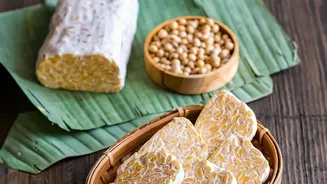
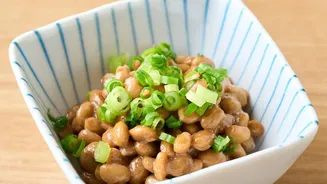
This is where traditional fermented foods come in. Fermentation is an ancient process where microorganisms like bacteria and yeast break down sugars in food. This not only preserves the food but also transforms it into a powerhouse of beneficial microbes, often called probiotics. When you eat these foods, you introduce these helpful bacteria into your gut. Studies have shown that a diet rich in fermented foods can lead to a significant increase in microbiome diversity. One landmark study from Stanford University found that a 10-week diet high in fermented foods boosted microbial diversity and decreased 19 different inflammatory markers in the body.
Traditional Indian Foods for a Modern Gut
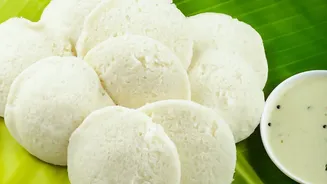
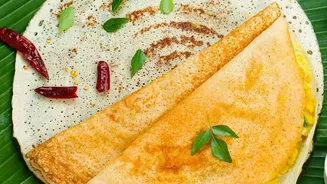
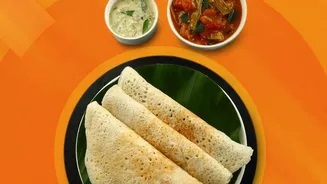
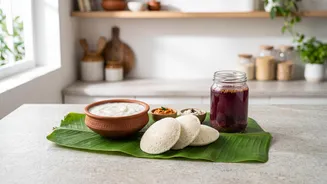
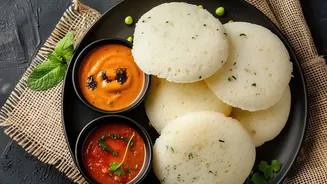
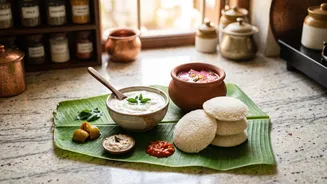
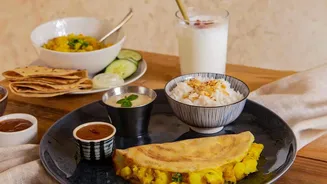
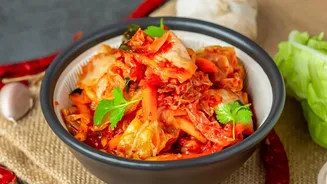
You don't need to look far to find these gut-friendly foods. Indian cuisine has a rich heritage of fermentation that has been passed down through generations. Dahi (curd) is perhaps the most common, a staple in households that provides a daily dose of probiotics. The fermented batters of Idli and Dosa not only make them light and digestible but also enhance their nutritional value. From Gujarat, Dhokla is a steamed cake made from fermented rice and chickpea flour. Other regional gems include Kanji, a tangy drink made from fermented carrots or beets, and traditional pickles (achaar), which, when naturally fermented, can be a great source of beneficial microbes.
Starting Your Fermented Food Journey
Incorporating these foods into your diet is simpler than you might think. The key is variety and consistency. Start by adding a bowl of homemade dahi to your lunch. Choose Idli or Dosa for breakfast a few times a week. Explore making a simple vegetable pickle at home or try a glass of Kanji. The goal is to eat a variety of these foods regularly, as different foods contain different strains of beneficial bacteria. A study showed that the positive effects on microbiome diversity were stronger with larger servings, so building up your intake over time can be beneficial. By embracing these traditional foods, you are not just enjoying delicious flavours; you are actively nurturing your internal ecosystem.