
The Age of the Performative Shelf
Not long ago, the ultimate sign of a well-kept home was the over-styled shelf. Books were often turned backward or grouped strictly by color, serving as props rather than literature. These were flanked by a precise collection of impersonal, trend-driven
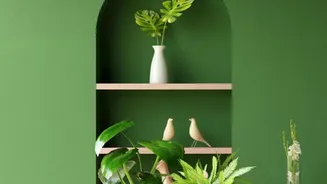
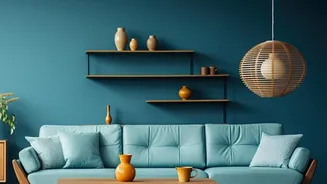
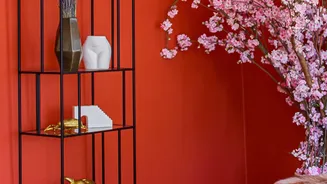
objects, all meticulously arranged for a photo. This aesthetic was less about creating a home and more about crafting a backdrop for social media. The goal was a look of effortless perfection that was, in reality, anything but. It transformed personal spaces into public-facing vignettes, where every object was auditioning for its role in a flawless composition. This approach, while visually striking in a photograph, often resulted in spaces that felt sterile and impersonal, lacking the warmth of a lived-in home.
From Staged to Storied: The 'Bookshelf Wealth' Shift
The pendulum is now swinging decisively in the other direction. Enter the era of 'bookshelf wealth,' a trend popularized on social media that champions a more authentic approach. This style isn't about monetary wealth, but about the richness of a life filled with stories, interests, and memories. It celebrates shelves stacked with books that have actually been read, their spines showing wear and tear. Instead of generic decor, you’ll find personal mementos, collected art, and meaningful objects that tell the story of the inhabitants. It’s a move away from homes that look like showrooms and toward spaces that feel cozy, layered, and genuinely reflective of the people who live there. The look is cluttered but not messy, curated but not cold.
Why We're Craving Authenticity Now
This trend reversal isn’t just about aesthetics; it’s a psychological response to years of digital perfectionism. The move toward more personal, layered interiors reflects a broader cultural desire for authenticity and comfort in our private spaces. After a period where homes had to function as offices, schools, and gyms, there's a renewed focus on creating sanctuaries that nurture our well-being. People are seeking spaces that feel collected over time, not decorated in a weekend. This shift is about rejecting the pressure to present a flawless life and instead embracing the beautiful imperfections of reality. It’s a quiet luxury that prioritizes personal meaning over public approval.
Finding Visual Balance in the Real World
Achieving this new sense of balance doesn't mean letting chaos reign. It's about applying classic design principles in a more personal way. Visual balance is achieved by distributing the 'visual weight' of objects so that the arrangement feels harmonious, not lopsided or jarring. This involves mixing items of different heights, shapes, and textures to create interest and depth. A tall vase might be balanced by a horizontal stack of books on another shelf. A sleek ceramic piece could be contrasted with a rustic wooden frame. Crucially, this new approach embraces negative space—empty areas that allow the featured objects to breathe and be appreciated individually, preventing the display from feeling cluttered.
How to Rebalance Your Own Shelves
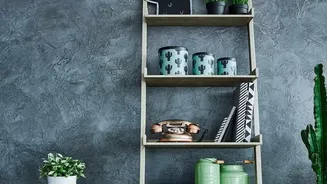
Ready to move your shelves from staged to soulful? Start by taking everything off for a blank canvas. Then, edit your collection with intention, keeping only the books and objects that genuinely spark joy or hold meaning. Begin styling by placing your largest items first to anchor the display. Mix it up by stacking books both vertically and horizontally. Create small groupings or vignettes, following the 'rule of three' by clustering items in odd numbers for a more dynamic look. Layer items by placing smaller objects in front of larger ones, like a small framed photo leaning against a stack of books. Most importantly, spread elements of similar color or material across the shelves in a triangular pattern rather than in a straight line to guide the eye and create a cohesive flow.