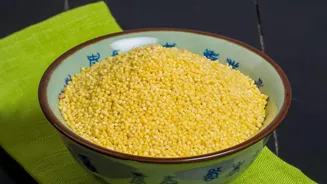



The buzz around millets in India is more than a fleeting trend. These ancient grains, long a part of our heritage, are making a powerful comeback. This resurgence connects your dinner plate to a larger story of personal health and national sustainability.
A Nutritional Powerhouse Rediscovered
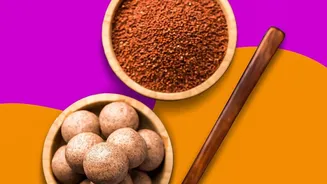
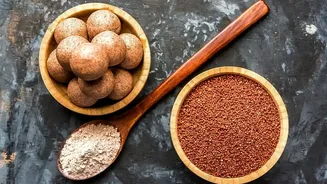
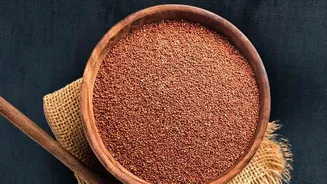
For generations, millets like jowar (sorghum), bajra (pearl millet), and ragi (finger millet) were staples across India before the Green Revolution shifted focus to rice and wheat. Now, these 'nutri-cereals' are being celebrated for their incredible health benefits. They are packed with protein, high-quality carbohydrates, and dietary fibre. Millets are also a rich source of essential minerals; for instance, ragi is one of the best plant-based sources of calcium, crucial for bone health, while bajra is loaded with iron. Their gluten-free nature makes them an excellent choice for individuals with celiac disease or gluten sensitivity. This combination of nutrients makes them a formidable ally in combating lifestyle diseases and improving overall wellness.
Managing Health, One Meal at a Time
One of the most significant advantages of millets is their low glycemic index compared to refined grains. This means they release sugar into the bloodstream slowly, preventing sharp spikes and making them ideal for managing blood sugar levels, which is critical in a country with a high prevalence of diabetes. The high fibre content aids digestion, promotes gut health, and creates a feeling of fullness, which can help with weight management. Furthermore, millets are heart-healthy. They contain beneficial compounds and minerals like magnesium and potassium that help reduce bad cholesterol (LDL) and maintain healthy blood pressure.
The Climate-Smart Choice for a Greener India
The benefits of millets extend far beyond the individual. They are champions of sustainability and resilience in an era of climate change. Millet cultivation requires significantly less water—up to 70% less than rice—making them a vital crop for India's arid and semi-arid regions. They are incredibly hardy, capable of thriving in poor soil and high temperatures where other cereals might fail. This resilience makes them a 'climate-smart' crop, ensuring food security for farming communities facing unpredictable weather patterns. Because they require fewer chemical fertilizers and pesticides, millets promote a more eco-friendly agricultural system, reduce the carbon footprint of farming, and improve soil health.
Empowering India's Small and Marginal Farmers
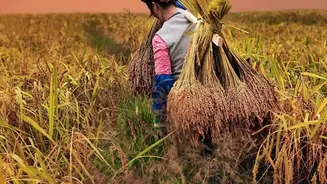
When you choose millets, you are directly supporting the livelihoods of millions of small and marginal farmers, particularly in rainfed and tribal areas. For these farmers, millets are a low-risk, low-input crop that provides a reliable source of income. The short growing cycle of many millet varieties allows for quicker returns and better crop planning. As consumer demand grows, driven by health consciousness and government initiatives like the International Year of Millets, the market for these grains expands. This creates new economic opportunities, reduces farmer distress, and strengthens the rural economy, ensuring that the benefits of your healthy choice are shared with the communities that grow your food.
Making the Switch: Easy and Delicious Ways
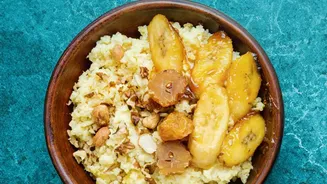
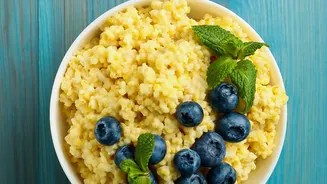
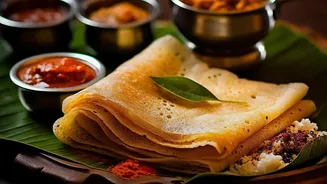
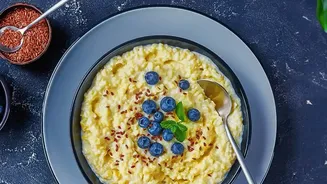
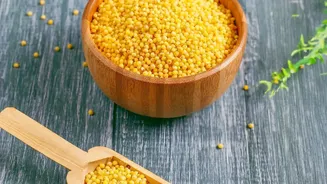
Incorporating millets into your daily diet doesn't require a complete overhaul of your eating habits. You can start small. Try swapping white rice with cooked foxtail or little millet in dishes like pulao or khichdi. Another easy way is to blend millet flour, such as jowar or ragi, with your regular wheat atta to make rotis or chapatis. For breakfast, a warm bowl of ragi porridge or a savory millet upma can be a nutritious start to the day. These simple substitutions not only add variety to your meals but also significantly boost their nutritional profile, making your transition to healthier eating both simple and delicious.