







What ‘Budget Mode’ Really Means
The phrase ‘budget mode’ has been circulating since the Ministry of External Affairs announced significant revisions to the passport fee structure. But contrary to what the name might imply, this isn't about saving money. In fact, it refers to a substantial
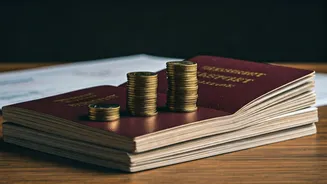
price hike across the board for all passport-related services, the first major revision in over a decade. Effective July 1, 2026, the cost for a new passport, renewals, Tatkaal services, and replacements for lost or damaged documents has increased, in some cases by up to 75%. These new rates, outlined in the Passports (Amendment) Rules, 2026, are now in effect for all applications. The changes aim to align the fee structure with the current costs of processing and infrastructure.
A Breakdown of the New Fee Structure
The most significant change for the average applicant is the cost of a fresh or re-issued passport. For an adult, a standard 36-page passport under the normal scheme now costs ₹2,500, a steep rise from the previous ₹1,500. If you're a frequent traveller and need a 60-page booklet, the fee has been increased from ₹2,000 to ₹3,500. These new rates apply to both new applications and re-issues. The fee hike is even more pronounced for urgent applications. The Tatkaal service, designed for those who need their passport quickly, now carries a heavier price tag. An adult applying for a 36-page passport under the Tatkaal scheme will have to pay ₹5,000, up from ₹3,500. For the 60-page Tatkaal passport, the cost has risen to ₹6,000 from the earlier ₹4,000.
Costs for Minors and Replacements
The fee revisions also extend to passports for minors and replacements. For applicants below 18 years of age, a fresh 36-page passport now costs ₹1,750 under the normal scheme. The Tatkaal fee for the same has been increased to ₹4,250. Losing your passport will now be a much more expensive affair. The cost to replace a lost or damaged 36-page passport is now ₹5,000 for normal processing and ₹7,500 for Tatkaal. For a 60-page replacement booklet, the fees are even higher, at ₹6,000 for normal processing and ₹8,500 under the Tatkaal scheme. Even miscellaneous services have not been spared, with the fee for a Police Clearance Certificate (PCC) also seeing an increase to ₹750.
What Hasn't Changed?
While the fee structure has been completely overhauled, the application process itself has become progressively more digital and streamlined over the past year. The government's push towards a fully digital application continues, with applicants encouraged to use the official Passport Seva portal for filling forms, uploading documents, and booking appointments. The emphasis on using Aadhaar as a primary document for proof of identity and address also remains, which simplifies the documentation process for many. Furthermore, efforts to digitise and speed up police verification, historically a major cause of delays, are ongoing, with the aim of reducing overall processing times.
How to Navigate the New System
The primary takeaway from these changes is the need for careful financial planning when applying for a passport. Given the significant increase in costs, especially for urgent or replacement passports, it’s more important than ever to apply well in advance of any planned international travel. Always start your application on the official Passport Seva portal to avoid fraudulent websites. When filling out the form, double-check all your details to prevent rejection or delays. Payment can be made online via net banking, cards, or UPI, or offline through an SBI bank challan. Before you begin, use the fee calculator on the official portal to determine the exact amount you will need to pay for your specific application type.