


The End of the Showroom Look
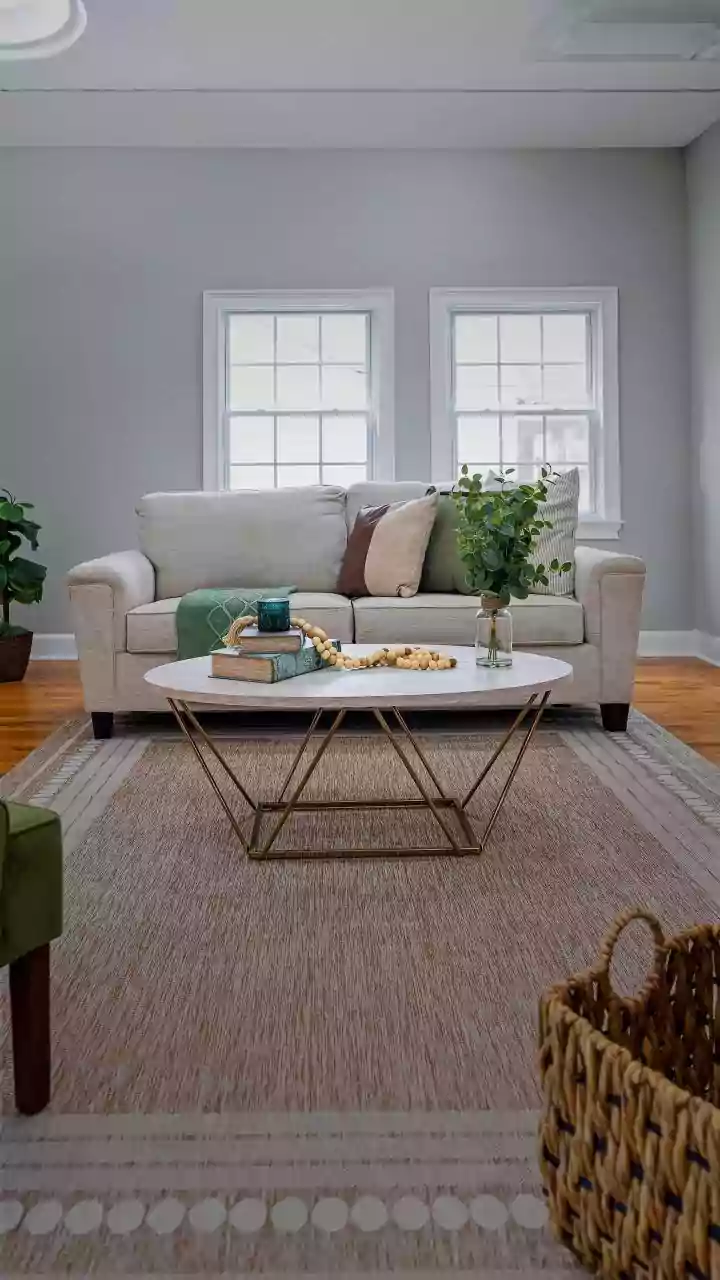
For years, the ideal home looked like it was lifted from a single page of a catalogue. The sofa matched the armchairs, which matched the side tables, creating a uniform, predictable space. While clean and coordinated, this approach often left little room
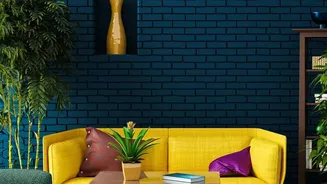
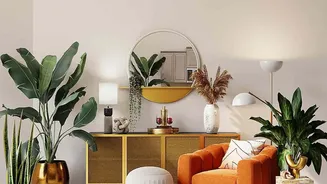
for personal expression. Homeowners are now reacting against these 'algorithm homes', where social media trends resulted in thousands of spaces looking beautiful but anonymous. The move is away from rigid, thematic interiors and towards a freedom that allows a home to reflect an individual's unique story and personality. This trend, often called 'eclectic design', is about intentionally mixing styles, periods, and textures to create a space that feels curated and dynamic, not chaotic.
A Story in Every Corner
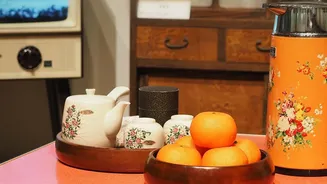
The beauty of a mismatched or 'collected' interior is that every object has the potential to tell a story. That antique brass lamp from a grandparent, a hand-carved cabinet inherited from family, a contemporary painting bought on a whim, and a comfortable modern sofa can all share the same room. This approach is deeply rooted in how Indian homes have traditionally evolved over time, with pieces being added gradually. The resulting space is a living scrapbook of memories, travels, and personal milestones. Designers note that this creates warmth and a 'lived-in' aesthetic that is hard to replicate with mass-produced furniture. The focus is shifting from a home that is styled for a photograph to one that is allowed to evolve with its inhabitants.
Celebrating Indian Identity
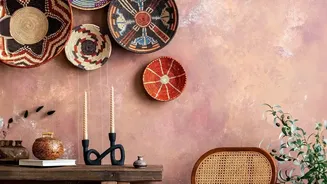
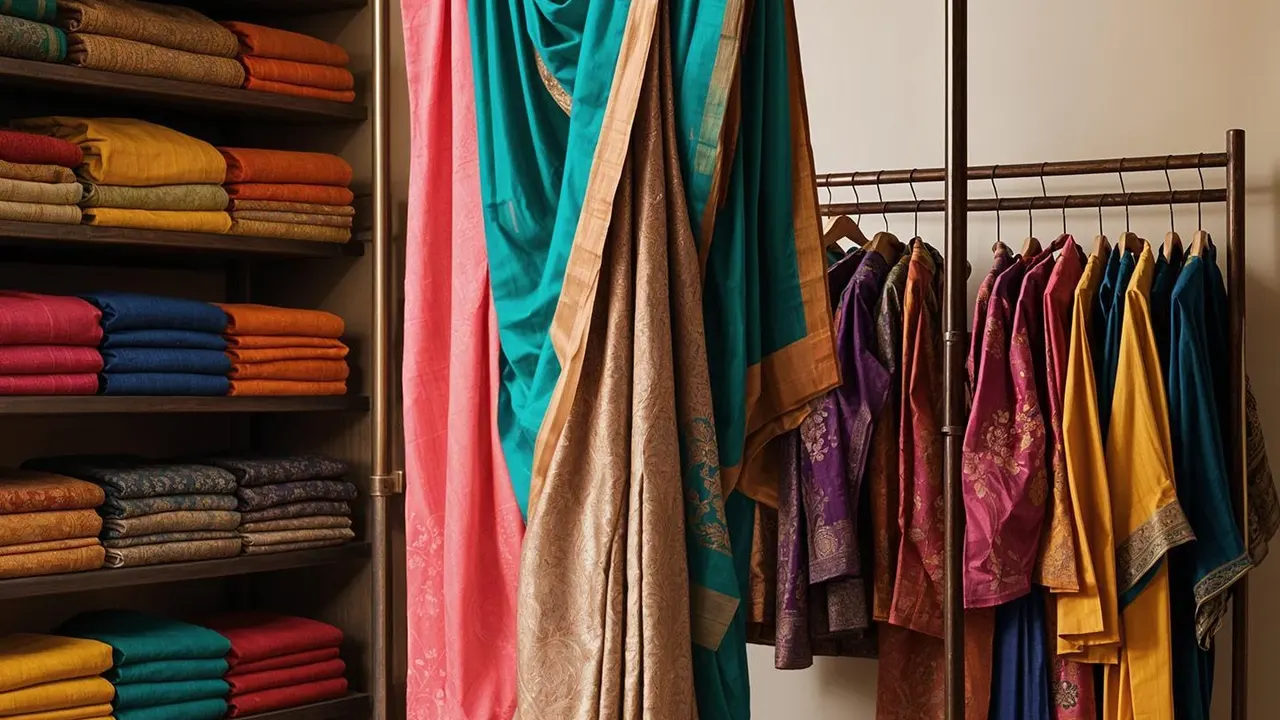
This trend is also a powerful way of expressing a modern Indian identity. Many designers believe that India, with its layered culture, is inherently maximalist and eclectic at heart. The style allows for a seamless blend of traditional Indian craftsmanship—like intricate wood carvings, jali patterns, or vibrant handloom textiles—with contemporary, clean-lined furniture. You might see a sleek, minimalist sofa paired with colourful cushions featuring Kantha work or Ajrakh block prints. This fusion creates a unique harmony between old and new, celebrating cultural heritage while embracing modern life. It's a move away from simply adopting Western trends like stark minimalism, and instead adapting them into a 'warm minimalism' that feels more suited to the Indian context, using earthy tones, natural woods like teak and sheesham, and handcrafted textures.
Making the Mismatch Work
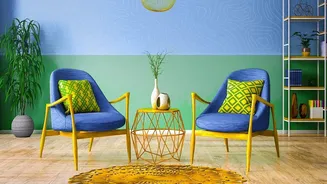
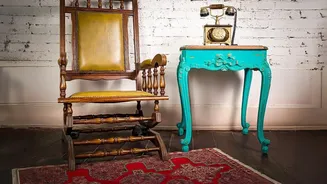
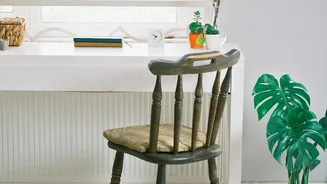
Creating a beautifully eclectic space is more intentional than simply throwing random items together. The key is to find a common thread that ties the disparate elements into a cohesive whole. This unifying element could be a consistent colour palette, where a shade is repeated across different pieces of furniture and art. It could also be a shared material, like a wood tone that appears in both a vintage chair and a modern table, or a recurring texture. For instance, an industrial lamp can hang over a vintage dining table if they are surrounded by chairs of different styles but similar proportions. The goal isn't to match, but to create a visual conversation between the objects in the room, ensuring they feel like they belong at the same party.
Sustainability and Conscious Choices
Beyond aesthetics, the move towards mismatched interiors is also driven by a growing consciousness around sustainability. The era of 'fast furniture'—cheaply made items designed to be replaced every few years—is being questioned by many homeowners. There's a rising discomfort with the wastefulness of constantly changing entire rooms. Embracing an eclectic style encourages a 'slow interiors' mindset: investing in fewer, better pieces, upcycling or repurposing old furniture, and giving heirloom items a place of honour. This not only reduces waste but also supports local artisans and preserves traditional crafts. It marks a structural shift towards building a home thoughtfully and gradually, with pieces that are meant to last.