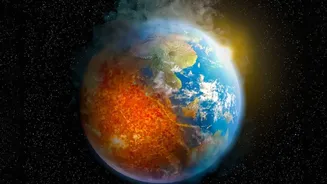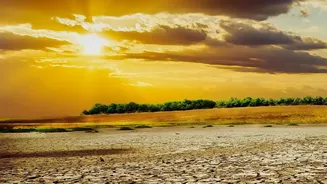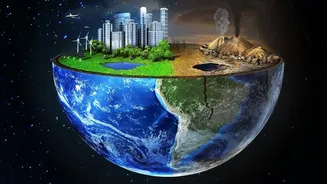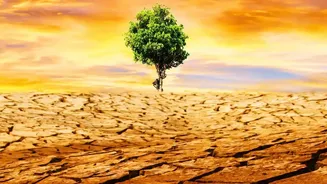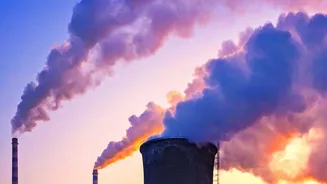




The world is at a dangerous crossroads. A stark new assessment released during a UN climate conference in Antalya, Türkiye, confirms that progress on climate action has effectively stalled, leaving the planet on a perilous path.
The Critical 1.5°C Threshold
The 2015 Paris Agreement
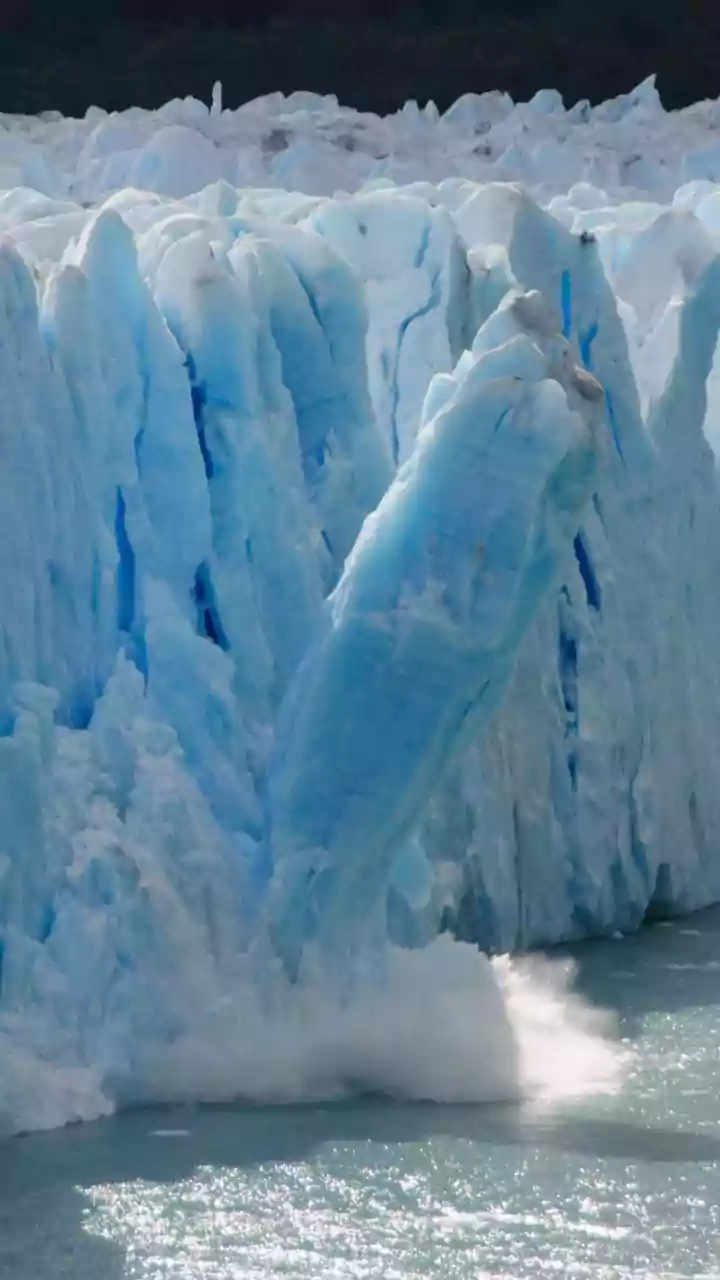
saw nations commit to limiting global warming to well below 2°C, and ideally to 1.5°C, compared to pre-industrial levels. This is not an arbitrary number. Scientists view the 1.5°C mark as a critical guardrail against the most catastrophic and irreversible climate impacts. Every fraction of a degree beyond this point drastically increases the risks of extreme heatwaves, devastating floods, crop failures, and the collapse of vital ecosystems like coral reefs and ice sheets. For a country like India, with its vast coastline and reliance on monsoon agriculture, exceeding this limit translates to more frequent and intense climate disasters, threatening lives, livelihoods, and economic stability. The UN report underscores that this crucial target is now in serious jeopardy.
A Reality Check from Climate Watchdogs
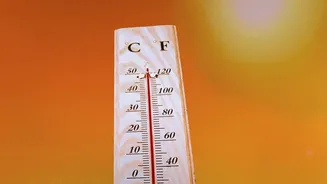
According to the independent Climate Action Tracker report, released during the UN conference, collective global climate efforts have made virtually no headway for five consecutive years. While the first five years after the Paris Agreement saw positive actions that reduced projected warming, progress has since flatlined. Current government policies, if unchanged, are projected to result in a devastating 2.7°C of warming by 2100. Even if countries fulfil all their current pledges and targets for 2030, the world would still be on track for 2.6°C of warming, a projection unchanged from previous years, indicating that recent commitments have not been ambitious enough to bend the curve. This gap between promises and reality is at the heart of the current crisis.
Why Has Progress Stalled?
The stall in progress is not due to a lack of solutions, but a deficit in political will and implementation. The Climate Action Tracker notes that positive developments, such as the record deployment of renewable energy in countries like India and China, are being cancelled out by negative ones, like continued government support for the fossil fuel industry. Furthermore, a recent UN Environment Programme (UNEP) report highlights a massive shortfall in 'adaptation finance'—the funds needed by developing countries to cope with climate impacts they did not cause. Developing nations require an estimated $305 billion annually by 2035 for adaptation, but international public finance flows in 2024 were only a fraction of that, at around $30 billion. This failure to support vulnerable nations undermines trust and hampers their ability to pursue ambitious climate goals.
The Price of Inaction
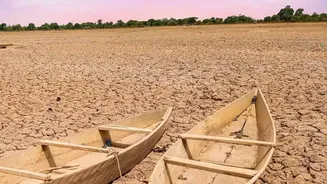
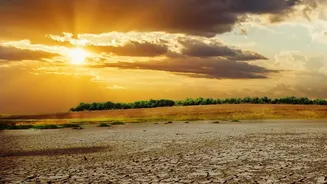
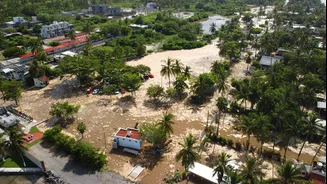
The consequences of this stalled progress are already being felt. The World Meteorological Organization (WMO) confirms that 2026 is continuing a streak of record-breaking global temperatures, with sea levels and ocean heat at an all-time high. Extreme weather events are exacting a massive human and economic cost. For India, this translates into tangible threats: more powerful cyclones, erratic monsoons leading to both floods and droughts, severe water scarcity, and life-threatening heatwaves that impact public health and agricultural productivity. The UN Secretary-General has framed the situation not as a scientific problem, but a 'leadership gap'. The failure to act decisively means locking in more severe impacts, particularly for the world's most vulnerable populations.
A Narrow Path Forward
While the reports paint a grim picture, they stress that defeatism is not an option. The new reality is that the world will likely 'overshoot' the 1.5°C target, but the goal now is to limit the magnitude and duration of that overshoot and return to below 1.5°C by the end of the century. Achieving this requires an emergency-level acceleration of climate action. According to UNEP, global emissions must be slashed by 45% by 2035 and 69% by 2040 (compared to 2025 levels), a pace far exceeding current commitments. This involves tripling renewable energy capacity, phasing out fossil fuels, and halting deforestation. There are hopeful signs, with clean electricity meeting all new global demand in 2025 and EV adoption hitting new highs, but these efforts must be scaled up globally with unprecedented speed.