

Recognising the Signs of a Fracture
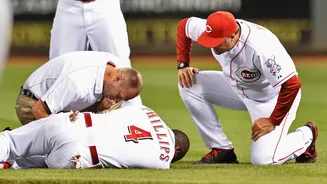
It can be difficult to distinguish between a fracture and other injuries like sprains or dislocations without an X-ray. However, there are several key signs and symptoms to look for. The most obvious is severe pain, especially pain that worsens with movement
or pressure. Look for visible deformity, such as a limb that appears bent, twisted, or out of place. Rapid swelling and bruising around the injured area are also common indicators. Sometimes, a grating or crunching sound might be heard or felt at the time of injury. The person may also be unable to move the affected limb or put any weight on it. In a severe, or 'open', fracture, the bone may break through the skin.
Your First Priority: Safety and Stopping Bleeding
Before doing anything else, ensure the scene is safe for both you and the injured person. Look for hazards like traffic or unstable surfaces. If there is an open fracture with bleeding, controlling it is your top priority. Apply firm pressure to the wound using a sterile bandage or a clean cloth. If a bone is protruding, do not press directly on it; instead, apply pressure on either side of the bone. It is crucial that you do not try to wash the wound or push the bone back in, as this can cause further damage and increase the risk of infection.
Immobilise the Injury to Prevent Further Harm
The golden rule of fracture care is to keep the injured area as still as possible. Movement can worsen the break, damage surrounding nerves and blood vessels, and increase pain. Advise the person to stay still and support the injured limb in the position you found it. You can use cushions, pillows, or rolled-up clothing to prop up and support the area. If you are trained and medical help is not immediately available, you can apply a splint. A splint should be rigid—like a rolled-up newspaper or a piece of wood—and long enough to extend past the joints above and below the suspected break. Pad the splint well and secure it with bandages or strips of cloth, but do not tie it so tightly that it cuts off circulation.
Managing Pain and Swelling
Once the area is stable, you can take steps to reduce pain and swelling. Applying a cold pack is an effective method. Wrap ice or a bag of frozen vegetables in a towel or cloth and place it on the injured area for 15-20 minutes at a time. Never apply ice directly to the skin, as this can cause a cold burn. If possible without causing more pain, elevate the injured limb above the level of the heart. This uses gravity to help reduce swelling. For example, prop a leg up on cushions. Do not give the person anything to eat or drink, as they may require surgery.
When You Must Call for an Ambulance
While many suspected fractures can be transported to an urgent care centre by car, some situations are medical emergencies that require an immediate call for an ambulance. Call for emergency help if you suspect a fracture in the head, neck, or back. An open fracture where bone is visible is a clear emergency. Other red flags include heavy bleeding, obvious and severe deformity of a limb, or if the person is showing signs of shock, such as feeling faint, having pale skin, or breathing in short, rapid breaths. If the hand or foot beyond the injury feels numb, tingly, cold, or turns blue, it signifies a potential circulation issue that needs immediate attention.