







The Gentle Process of Cold-Pressed Oils
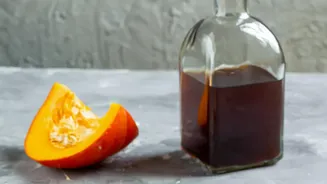
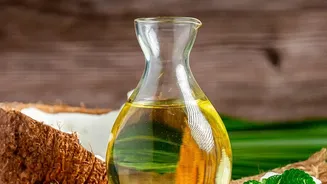
Cold-pressed oils are extracted by crushing seeds or nuts and forcing out the oil through pressure. This is a mechanical process that involves minimal heat, with temperatures typically kept below 49°C. In India, this traditional method is known by names
like 'chekku', 'ghani', and 'kolhu'. Because this method avoids high temperatures and chemical solvents, the oil retains more of its natural flavour, aroma, colour, and nutritional value, including antioxidants, vitamins, and minerals. This gentle extraction results in a more flavourful and nutrient-dense product, but it also yields less oil, which is why these oils are often more expensive.
The Industrial Creation of Refined Oils
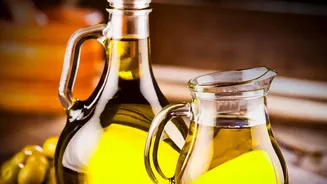
Refined oils, often labelled as vegetable oils, are produced on a much larger industrial scale. The process is designed for maximum yield and a long shelf life. It often starts with high heat and may use chemical solvents like hexane to extract as much oil as possible from the seeds. The crude oil then undergoes several stages of 'purification': neutralising to remove free fatty acids, bleaching with activated clays to remove colour, and deodorising with steam at very high temperatures (over 200°C) to remove aroma and flavour. While this makes the oil neutral and stable, this intensive processing strips away many of the natural nutrients, antioxidants, and vitamins.
What is Smoke Point and Why It Matters
The smoke point is the temperature at which an oil stops shimmering and starts to smoke. This isn't just a sign of burning; it's the point where the oil begins to break down chemically. When an oil is heated past its smoke point, it loses its beneficial nutrients and can start forming harmful compounds like free radicals. These compounds can contribute to inflammation and have been linked to various health issues over the long term. Since many Indian cooking techniques like frying, tadka, and stir-frying involve high heat, choosing an oil with the right smoke point is crucial for both taste and health.
Comparing the Smoke Points
This is where the major difference lies for cooking applications. Generally, the refining process gives oils a much higher smoke point. Refined oils can often withstand temperatures of 230°C or more, making them suitable for high-heat applications like deep frying. In contrast, most cold-pressed oils have a lower smoke point, typically around 160°C to 190°C. For example, cold-pressed groundnut oil smokes at around 160°C, while its refined counterpart can go up to 210°C. Heating a cold-pressed oil beyond its smoke point can negate its nutritional benefits and create a burnt flavour.
A Nutritional Showdown
From a nutritional standpoint, cold-pressed oils have a clear advantage. They retain a higher concentration of antioxidants, Vitamin E, and beneficial fatty acids like monounsaturated (MUFA) and polyunsaturated (PUFA) fats, which are good for heart health. The intense processing of refined oils removes a significant portion of these healthy compounds. Some critics argue that refined oils provide 'empty calories', and the high levels of omega-6 fatty acids in some varieties could contribute to inflammation if not balanced with omega-3s. However, some refined oils are fortified with vitamins and contain compounds like oryzanol (in rice bran oil), which can help manage cholesterol.
The Right Oil for the Right Job
The healthiest approach isn't to declare one type of oil 'good' and the other 'bad', but to use them appropriately. For high-heat cooking like deep-frying puris or bhajiyas, a refined oil with a high smoke point is a better choice to prevent the oil from breaking down. Ghee and refined coconut oil are also excellent for high-heat cooking. For everyday cooking like making sabzis, dals, or tadka on medium heat, cold-pressed oils like groundnut, mustard, or sesame oil work beautifully and add flavour and nutrients. For salad dressings, dips, or drizzling over finished dishes where there's no heat involved, flavourful cold-pressed oils like extra virgin olive oil or flaxseed oil are perfect.