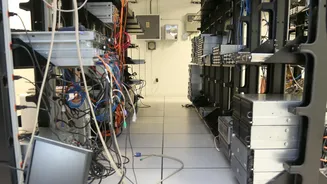








From streaming video and digital payments to the rapid rise of AI, India's digital appetite is insatiable. This explosion in data consumption is fuelling a colossal construction boom for data centres, the physical backbone of the digital economy.
The Digital Deluge Driving Demand
India's
transformation into a digital powerhouse is happening at a breakneck pace. With over 800 million internet users, the world's second-largest smartphone market, and a thriving startup ecosystem, the country generates a staggering amount of data. This growth is supercharged by several factors. The rollout of 5G networks is enhancing connectivity, while the Unified Payments Interface (UPI) has revolutionised digital finance, processing billions of transactions monthly. Furthermore, the government's 'Digital India' initiative and data localisation policies, such as the Digital Personal Data Protection (DPDP) Act, effectively mandate that Indian user data be stored and processed within the country. This has compelled global technology giants and cloud providers to establish a significant physical presence, turning a regulatory requirement into a massive driver for local infrastructure investment.
A Building Boom of Unprecedented Scale
In response to this demand, India is witnessing a data centre building boom of historic proportions. The country's operational capacity, which stood at around 1.6 to 1.8 gigawatts (GW) in the first half of 2026, is projected to multiply, with estimates for 2030 ranging from 4 GW to over 8 GW. Investment commitments have flooded the sector, with total announced investments on track to exceed $200 billion. Major domestic conglomerates like Adani Group and Reliance Industries, alongside global hyperscalers such as Amazon Web Services (AWS), Microsoft, and Google, are pouring billions into developing gigawatt-scale campuses. While traditional hubs like Mumbai and Chennai continue to dominate due to their access to subsea cables and reliable power, new clusters are rapidly emerging in Hyderabad, Noida, Pune, and Visakhapatnam to create a more distributed and resilient national infrastructure.
The Critical Infrastructure Bottleneck
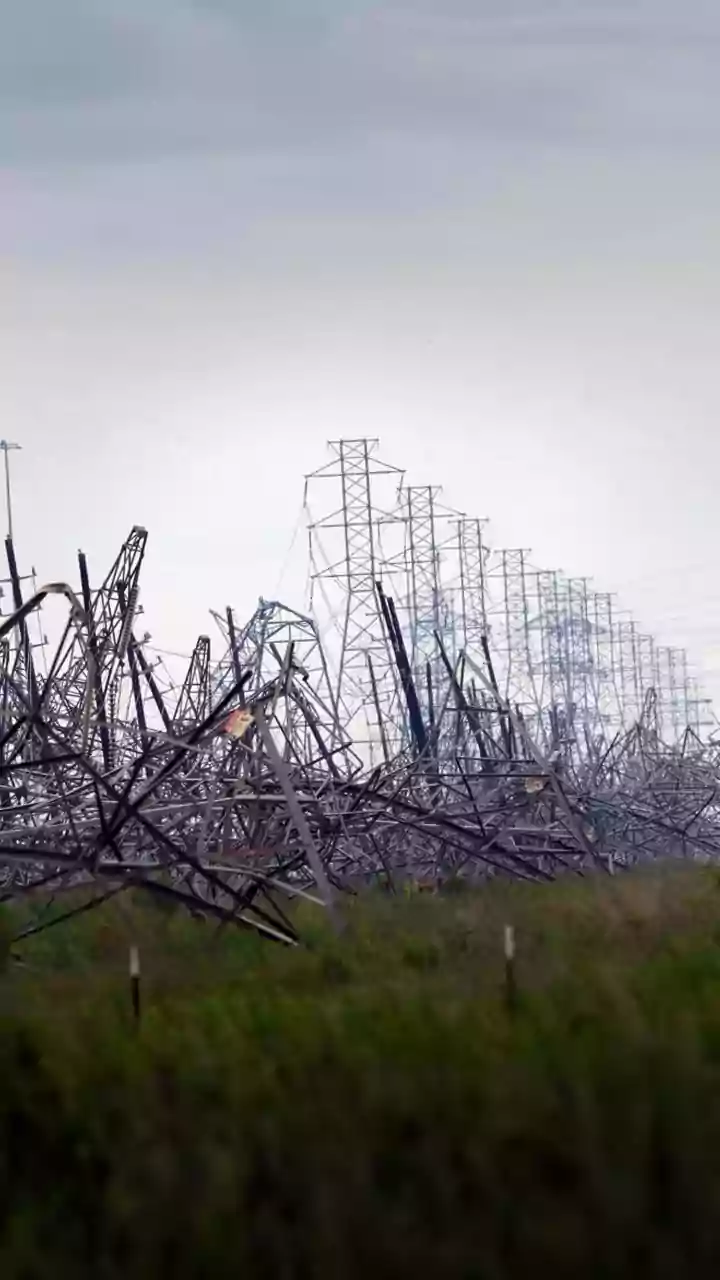
However, this ambitious expansion is running headlong into significant physical and logistical hurdles. The headline's warning that 'Infrastructure Timelines Still Critical' points to the fundamental challenge: a data centre is only as reliable as the ecosystem supporting it. The most pressing concern is power. Data centres are incredibly energy-intensive, and their projected consumption could account for up to 2.6% of India's national electricity generation by 2030. Ensuring a stable, uninterrupted power supply from a grid that is already variable across states is a monumental task. Beyond electricity, acquiring large, litigation-free land parcels with clear titles is a major challenge, especially near critical fibre optic landing stations. These facilities also require vast amounts of water for cooling, raising sustainability questions in water-stressed urban areas. Finally, a shortage of skilled labour capable of building and operating these highly sophisticated facilities adds another layer of complexity to project timelines.
Racing Against a Digital Clock
The mismatch between the speed of digital demand and the pace of physical infrastructure development is becoming a defining issue. Delays in securing power connections, land permits, or fibre connectivity can push project commissioning dates back significantly. This creates a risk of a supply-demand imbalance, where the digital economy's need for computing power outstrips the available capacity. As AI workloads, which require even higher power and cooling densities, become more prevalent, these infrastructure pressures will only intensify. Community opposition is also emerging as a factor, with residents in some areas raising concerns about the strain these massive projects place on local resources like water and power, and whether they are appropriate for densely populated zones. Successfully navigating these challenges is crucial; failure to do so could throttle the very digital growth the data centres are meant to enable.