




It’s a familiar story: you eat a hearty lunch, but by 3 p.m., you’re battling brain fog and reaching for snacks. The culprit might be what’s missing from your tiffin. A high-protein lunch is the key to sustained energy and focus.
The Science of Staying Full
Protein is the most filling
of the three macronutrients (the others being fats and carbohydrates). When you eat a protein-rich meal, your body takes longer to digest it. This slow digestion process means food stays in your stomach for a longer period, helping you feel physically full. But the magic doesn't stop there. Protein also influences the hormones that control your appetite. It helps suppress ghrelin, often called the 'hunger hormone', while stimulating the release of satiety hormones like PYY and GLP-1, which send signals to your brain that you are full and satisfied. This dual action—slowing digestion and managing hunger hormones—is why a protein-heavy lunch can prevent those distracting hunger pangs that derail your afternoon.
Stabilising Energy and Sharpening Focus
The post-lunch slump, characterised by sleepiness and an inability to concentrate, is often caused by the rapid spike and subsequent crash in blood sugar levels after a carbohydrate-heavy meal. Protein helps to buffer this effect. By slowing down the absorption of carbohydrates eaten during the same meal, it leads to a more gradual release of glucose into the bloodstream. This stability is crucial for maintaining steady energy levels and cognitive function throughout the day. A balanced lunch with adequate protein helps you avoid brain fog, keeping you sharp and productive during long desk shifts. Furthermore, your body uses more energy to digest protein compared to carbs and fats, a process known as the thermic effect of food (TEF), which can slightly boost your metabolic rate.
Building the Perfect Indian Protein Tiffin
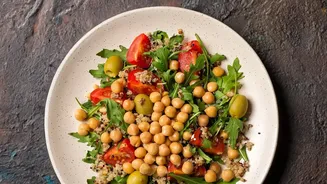
A typical Indian lunch of dal, sabzi, and roti often contains only 10-15 grams of protein, which may not be enough to keep you full. Aiming for 20-30 grams of protein at lunch is a more effective target. The key is to build your meal around a primary protein source. For vegetarians, paneer is a fantastic option; a paneer bhurji or tikka can be packed with multigrain roti or as part of a quinoa bowl. Lentils and legumes are also powerhouses. Think rajma or chana masala, a thick dal, or a sprouted moong salad. Soya chunks, often called 'vegetarian meat', are another excellent, high-protein addition to pulao or curries. For non-vegetarians, grilled chicken skewers, a simple egg curry, or fish curry are great choices that pack easily. Don’t forget the power of curd (yoghurt), which can be added as a side to easily boost your meal’s protein content.
Making It Easy on Hectic Mornings
The thought of preparing a special lunch every morning can be daunting. The solution lies in smart preparation. Batch cooking on Sundays is a game changer. You can prepare larger quantities of rajma, chole, dal, or soya curry and portion them out for the week. Many curries freeze well, making your weekday mornings much easier. Another strategy is to repurpose leftovers from dinner. Keep protein rich snacks at your desk, like roasted chana or a handful of nuts, to avoid the temptations of the office biscuit tin. When packing your tiffin, try to keep wet and dry items separate to avoid sogginess, and always let hot food cool down before sealing the container.