
Tesla is making another one of its signature bold moves, reportedly shifting factory resources toward its futuristic, driverless Robotaxi. This strategic pivot is more than just a new model; it signals a profound bet on an autonomous future.
A Major Shift in Strategy
Recent announcements
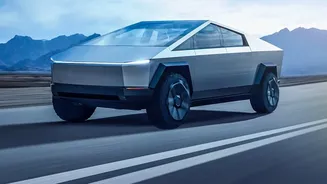
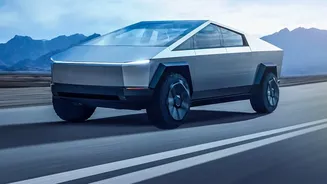
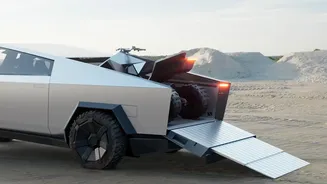
from CEO Elon Musk confirm a significant change in production priorities at Tesla's Texas gigafactory. The company plans to wind down production of its polarizing Cybertruck around mid-2027 to free up manufacturing capacity for its new, purpose-built Robotaxi, also known as the 'Cybercab'. This move represents a major strategic shift, moving away from expanding its consumer vehicle lineup and doubling down on Musk's long-held vision of a driverless transportation network. The decision follows disappointing sales figures for the Cybertruck, which sold just over 20,000 units in the U.S. in 2025, far short of initial projections. By reallocating factory space, equipment, and engineering talent, Tesla is betting its future growth on autonomy rather than traditional vehicle sales.
What Exactly Is the Cybercab?
The Cybercab is a radical departure from conventional car design. Unveiled in late 2024, the two-seater vehicle is built exclusively for autonomous operation, featuring no steering wheel, pedals, or side mirrors. It’s designed to be the core component of a ride-hailing service that Tesla has already begun to roll out in cities like Austin, Dallas, and Miami, initially using modified Model Y vehicles. Now, with the purpose-built Cybercab entering production, Tesla aims to accelerate this vision. The vehicle is not just a concept; production began in early 2026, and the first paid rides in Cybercabs started in Austin in September 2026. Musk has stated the vehicle is intended to cost less than $30,000 to produce and will eventually allow Tesla owners to add their personal cars to the robotaxi network.
The Sacrifice of the Affordable EV
This 'all in on robotaxi' directive has a significant casualty: the long-anticipated $25,000 Tesla, often called the 'Model 2'. For years, this affordable, mass-market electric car was seen as the key to Tesla's next phase of growth, positioning it to compete with lower-priced EVs from Chinese manufacturers like BYD. However, multiple reports citing internal sources claim the project has been canceled in favor of the Robotaxi. While Musk has publicly refuted claims of an outright cancellation, the focus has clearly shifted. The very platform and revolutionary 'unboxed' manufacturing process once destined for the affordable car are now being applied to the Cybercab. This pivot leaves a critical gap in Tesla's product line, just as global competition in the affordable EV sector intensifies.
A Revolution in Manufacturing
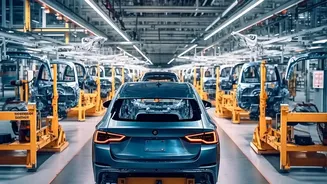
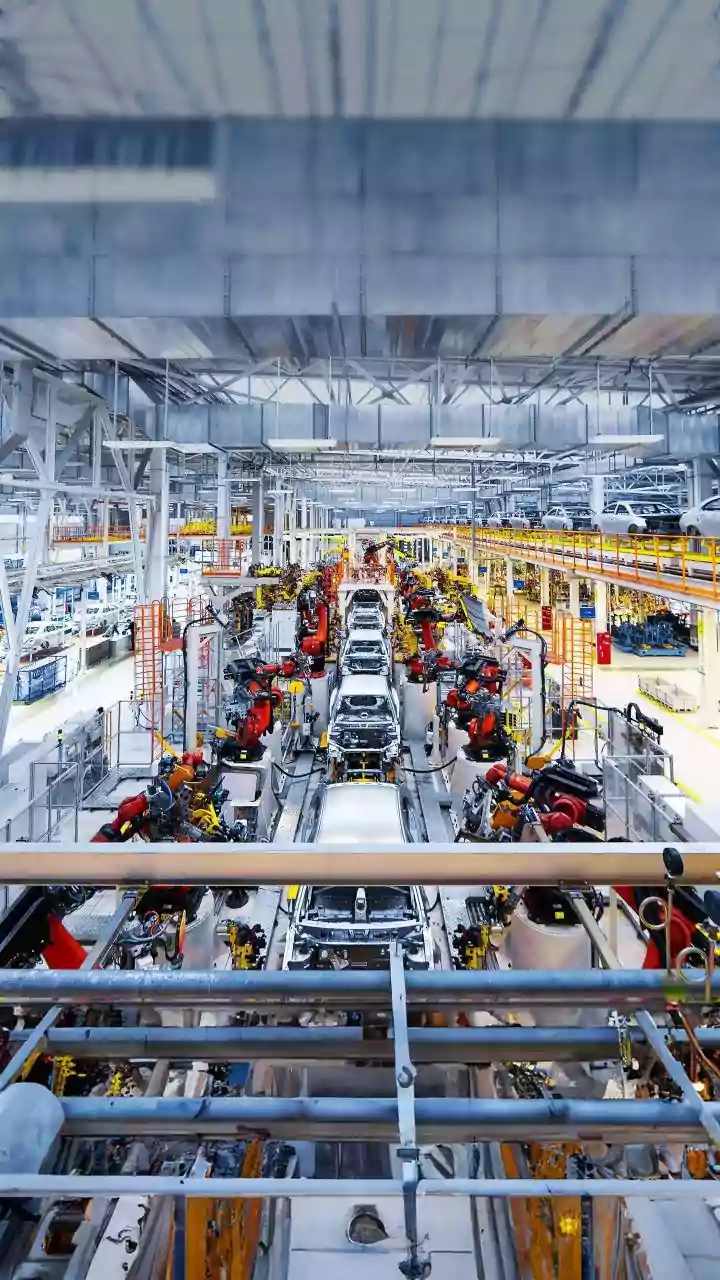
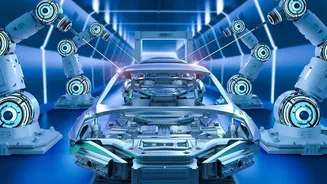
At the heart of the Robotaxi strategy is a groundbreaking production method Tesla calls the 'unboxed process'. Instead of a traditional assembly line where a car body moves sequentially, this system builds major sections of the vehicle—like the front, rear, and battery pack—in parallel. These fully-outfitted modules are then joined together in a final step. Tesla claims this revolution in manufacturing cuts the factory footprint in half and dramatically increases production capacity, targeting a cycle time of one vehicle every 10 seconds. Originally developed for the affordable car, this hyper-efficient process is now being used to scale up Cybercab production at Giga Texas, which Tesla believes is key to making a robotaxi network economically viable.
The Road Ahead Is Far From Clear
Despite the ambitious pivot, Tesla faces enormous hurdles. The company's Full Self Driving (FSD) technology, while advanced, has yet to achieve true unsupervised Level 5 autonomy and has faced a slow city by city rollout with regulatory challenges. The National Highway Traffic Safety Administration (NHTSA) has opened an audit into the Cybercab questioning how a vehicle without traditional controls can meet federal safety standards. Furthermore competitors like Alphabet's Waymo have a significant lead in real world autonomous miles driven. For investors and consumers Tesla's shift is a high stakes gamble. It prioritizes a long term high margin vision of autonomous services over the immediate high volume opportunity of an affordable EV a choice that will likely define the company's trajectory for the next decade.