



What Exactly Is the Harvest Moon?
The Harvest Moon isn't a different type of moon, but rather a name given to the full moon that occurs nearest to the autumnal equinox. This equinox, which in 2026 falls on September 22, marks the official start of autumn in the Northern Hemisphere. The name is rooted
in agricultural history. Before electricity, farmers relied on the bright light of this particular full moon to work late into the evening, helping them bring in their crops before the first frost. This full moon provided several nights of bright moonlight right after sunset, extending their working day.
When and Where to See It in India
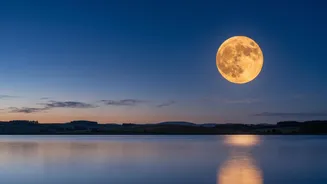
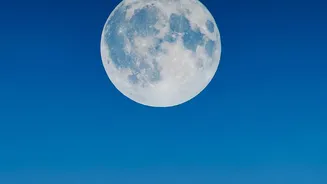
Mark your calendars for Saturday, September 26, 2026. This is when the Harvest Moon will reach its peak illumination over India at approximately 10:19 PM IST. Because this peak happens at night, India is perfectly placed for a great view. The moon will appear bright and full on the night of September 26 and into the early hours of September 27. To catch its most dramatic appearance, look towards the eastern horizon right around your local moonrise time. This is when it will appear largest and have a beautiful orange-yellow hue due to a phenomenon called Rayleigh scattering, where its light filters through more of Earth's atmosphere.
A City-Dweller’s Guide to Viewing
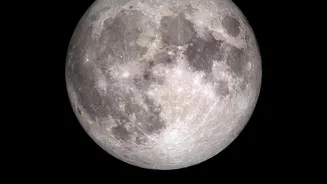
Viewing celestial events from a bustling Indian city can be challenging due to light pollution and smog. But don't be discouraged. First, try to get as high up as possible. A rooftop terrace, the top floor of a parking garage, or a high-rise balcony can lift you above some of the direct street-level glare. Second, find a spot with an unobstructed view of the eastern horizon. Parks, lakesides, or large open grounds are ideal. Give your eyes at least 15-20 minutes to adjust to the darkness; this will help you see the moon more clearly and even spot some of the brighter stars and planets nearby. For an even better experience, consider getting away from the city center to a less light-polluted area on the outskirts. While a telescope is not necessary to enjoy the full moon, a pair of binoculars can offer a stunningly detailed look at its surface.
The Harvest Moon Effect
What makes the Harvest Moon period special is that the moon rises at nearly the same time for several nights in a row. Typically, the moon rises about 50 minutes later each day, but around the time of the Harvest Moon, this gap shrinks to as little as 25-30 minutes. This happens because of the shallow angle the moon's orbital path makes with the horizon during autumn. The result is a series of moonlit evenings, which is what made it so valuable to farmers in the past and makes it a delight for skywatchers today. You may also notice the 'Moon Illusion,' which makes the moon appear enormous when it's near the horizon. This is a trick of our brains, not a physical change in the moon's size, but it makes for a breathtaking sight.
Cultural Significance in India
The full moon in September holds special significance in the Hindu calendar. The period around the 2026 Harvest Moon marks the beginning of Pitru Paksha, which starts on September 27. This is a 16-day lunar period when families pay homage to their ancestors through prayers and offerings. The full moon day itself, known as Bhadrapada Purnima on September 26, is an important transition, marking a time for spiritual observances before the fortnight dedicated to ancestors begins. While the name 'Harvest Moon' comes from Western traditions, the timing of this luminous full moon coincides with a period of deep cultural and spiritual importance across India.