

Rethink The Bathing Schedule
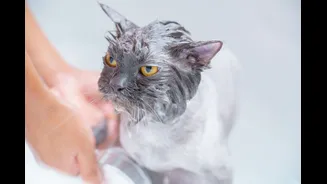
When your dog comes in smelling of damp fur after a rainy walk, the first instinct is to give them a bath. However, over-bathing is a common mistake during humid months. Frequent washing can strip the natural oils from your pet's coat, weakening the skin's
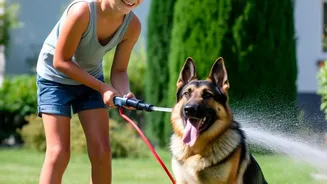
protective barrier and making it more susceptible to bacterial and fungal infections. Most veterinarians suggest bathing your dog only once every two to three weeks during the monsoon. For daily cleaning after walks, simply rinse their paws and belly with plain water and dry them thoroughly. Using gentle, antibacterial pet wipes can also help keep them fresh between full baths.
Prioritise Skin and Coat Care
High humidity is a major cause of skin issues in pets, especially fungal infections, hot spots, and yeast infections. The key to prevention is keeping your pet as dry as possible. After every walk, towel-dry your pet thoroughly, paying close attention to their paws, underbelly, and any skin folds. For long-haired breeds, using a blow dryer on a low-heat setting is crucial to ensure the undercoat doesn't remain damp. Daily brushing is also essential. It removes loose fur, allows air to circulate to the skin, and helps you spot any signs of irritation, redness, or parasites early.
Focus on Paw Hygiene
Paws are on the frontline during humid weather, constantly in contact with wet, muddy, and potentially contaminated surfaces. This makes them prone to infections between the toes. Make it a strict rule to clean and inspect your pet's paws after every single walk. Trim the hair between their paw pads to prevent mud and moisture from getting trapped. If you notice any redness, swelling, or if your pet is licking their paws excessively, consult a vet. Applying a protective paw balm before walks can also create a barrier against moisture and irritants.
Choose the Right Bedding
The place where your pet sleeps can become a hotspot for moisture and fungal growth in a humid climate. Ensure their bedding is made from a quick-drying or waterproof material. Elevated beds are an excellent choice as they allow for air circulation underneath, preventing moisture buildup. It's vital to wash your pet's bedding more frequently during the monsoon—at least once a week—and ensure it is completely dry before they use it. Never let your pet sleep on a damp bed or on a damp floor, as this is a direct invitation for skin problems.
Adjust Diet and Hydration
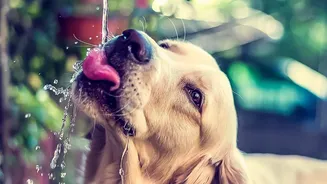
Humidity can sometimes lead to a decreased appetite in pets. To support their immune system, provide a balanced, easily digestible diet. Store dry food in airtight containers to prevent it from absorbing moisture and becoming mouldy. Always provide fresh, clean drinking water. During the monsoon, tap water can sometimes be contaminated, so offering filtered or boiled water is a safer option. Avoid letting your pet drink from puddles or stagnant water outside, as these can be breeding grounds for dangerous bacteria and parasites.
Step Up Parasite Prevention
Humid weather is a paradise for fleas, ticks, and mosquitoes. These parasites are not just a nuisance; they can transmit serious diseases. Even if your pet spends most of its time indoors, parasites can be brought in on shoes and clothing. Ensure your pet is on a year-round, vet-recommended parasite prevention plan. After walks, especially in grassy areas, conduct a thorough check of your pet’s coat for any ticks. Regularly using a flea comb can also help you catch infestations early.