





What Exactly Is a Hydrogen Train?
Think of a hydrogen train as a self-contained, rolling power plant that emits only water. Unlike diesel trains that burn fuel, or electric trains that need overhead wires, these locomotives use hydrogen fuel cells. Inside the fuel cell, hydrogen stored
on the train is combined with oxygen from the air. This electrochemical reaction generates electricity to power the motors, with the only byproduct being pure water vapour. This process is not just clean but also quiet, significantly reducing noise pollution compared to the rumble of traditional diesel engines. It's a major leap forward in sustainable transport, aligning with India's goal of achieving net-zero emissions.
The 'Hydrogen for Heritage' Initiative
The push to bring this green technology to India's most iconic routes is part of a project aptly named 'Hydrogen for Heritage'. The initiative aims to deploy 35 hydrogen-powered trains across several of the country's beloved mountain railways. These include UNESCO World Heritage Sites like the Kalka-Shimla Railway, the Darjeeling Himalayan Railway, and the Nilgiri Mountain Railway, among others. For years, these lines have operated on diesel, which, while effective, contributes to air and noise pollution in pristine, ecologically sensitive environments. By retrofitting existing coaches with hydrogen propulsion systems, Indian Railways aims to preserve both the heritage charm and the natural beauty of these routes.
Why Start with Mountain Railways?
The choice to debut hydrogen trains on these specific lines is a strategic one. Electrifying these difficult terrains, with their sharp curves and numerous tunnels, is technically challenging and prohibitively expensive. Moreover, erecting poles and overhead cables would spoil the very scenic beauty that makes these journeys so special. Hydrogen trains offer a perfect solution: they can run on the existing narrow-gauge tracks without requiring costly electrification infrastructure. This allows for a green transformation that respects the historical and environmental significance of the regions, offering tourists a zero-emission travel experience through breathtaking landscapes.
Pioneering the Path: From Trials to Tracks
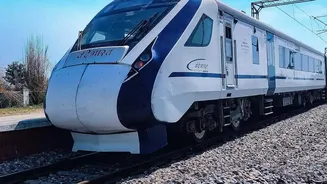
India's journey into hydrogen rail began with a pilot project to retrofit a Diesel Electric Multiple Unit (DEMU) train. The first prototype underwent trials on the Jind-Sonipat section in Haryana. On July 17, 2026, India's first indigenous hydrogen-powered train was officially inaugurated on this route, placing the nation among a select group of countries with this advanced technology. This initial deployment provides crucial operational data and experience. While this first service has seen lower-than-expected ridership, it has successfully proven the technology's viability. The lessons learned from the Jind-Sonipat run are now being applied to the more complex 'Hydrogen for Heritage' project, ensuring a carefully planned rollout.
The Road Ahead: Costs and Challenges
While the benefits are clear, the transition is not without its challenges. The initial cost of hydrogen locomotives is high, with each train estimated to cost around ₹80 crore, plus another ₹70 crore per route for ground infrastructure like refueling stations. The cost of producing green hydrogen and ensuring its safe storage and transport are also significant considerations. However, officials anticipate that these costs will decrease over time as the technology becomes more widespread and the number of hydrogen trains in service increases. The project is a long-term investment in India’s sustainable future, reducing fossil fuel imports and boosting energy security.