



What Makes a Lentil 'Premium'?
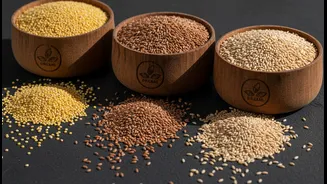
The term 'premium' isn't officially regulated for lentils, so it often comes down to marketing. However, it generally refers to a few key characteristics. First are specific varieties known for their unique culinary properties. Think of Black Beluga lentils, which
are small, caviar-like, and hold their shape well, or French Puy lentils, which have a protected designation of origin from France and a peppery flavour. Second, 'premium' is often used for lentils that are certified organic. This means they are grown without synthetic pesticides or fertilisers, which appeals to health and environmentally-conscious consumers. Finally, branding and packaging play a huge role. A well-designed package that promises superior quality, purity, or special processing can position an everyday dal as a premium product, often at two to three times the price of standard lentils.
The Nutritional Showdown: Is There a Real Difference?
This is where the fine print really matters. While all lentils are nutritional powerhouses packed with protein, fibre, and minerals like iron and potassium, the differences between varieties are often minor. For instance, some studies suggest organically grown lentils may have slightly higher antioxidant and mineral content due to healthier soil, but the basic nutritional profile of protein and fibre is largely the same across the board. The most significant nutritional variation comes from processing. For example, split red lentils (masoor dal) have their husks removed, which slightly lowers their fibre content compared to whole lentils. Ultimately, you'll get fantastic health benefits from any type of lentil, so a higher price doesn't necessarily mean a massive nutritional upgrade.
A Matter of Taste and Texture
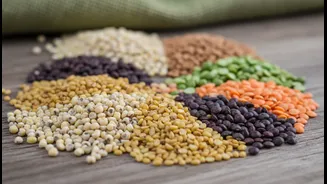
The most compelling argument for splurging on premium lentils often comes down to their performance in the kitchen. Varieties like French green (Puy) and Black Beluga are prized by chefs because they maintain their firm texture and distinct shape after cooking. This makes them ideal for salads, pilafs, and side dishes where you want individual, intact lentils rather than a soft puree. Common brown or green lentils tend to soften more and can become mushy if overcooked, which makes them perfect for traditional dals, soups, and stews. Quick-cooking red and yellow lentils are known for breaking down completely, creating a creamy, thick consistency that's perfect for curries and soups. So, the choice depends on your recipe. For a dish where texture is key, a premium, firm lentil might be a worthwhile investment.
Reading the 'Fine Print' on Indian Labels
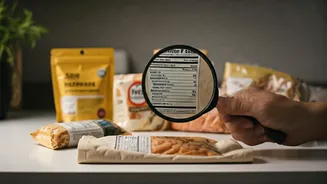
In India, marketing terms like 'natural' or 'healthy' are used liberally and can be misleading. The Food Safety and Standards Authority of India (FSSAI) has regulations, but a recent study found that a significant number of food claims are non-compliant. To be a smart shopper, you need to ignore the flashy claims on the front of the pack and focus on the back. Check the ingredients list, which is listed in descending order by weight. Look for certifications. A product claimed as 'organic' must carry the official 'Jaivik Bharat' logo to be verified. Also, be wary of serving sizes on the nutrition panel, as they are often unrealistically small to make the numbers look better. The real story of the product's quality lies in this data, not the marketing buzzwords.