







An Ancient Practice Goes Viral
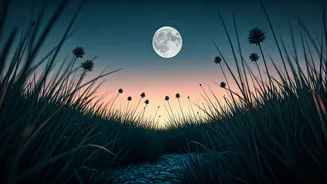
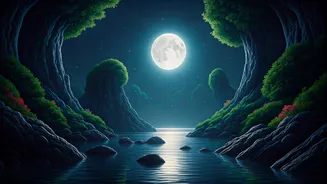
For centuries, cultures around the world have marked the full moon as a time of significance, a peak in a cycle of growth and release. Traditionally, these rituals were tied to harvesting, spirituality, or pagan practices. Today, they’re resurfacing not
in secret covens but on TikTok feeds and Instagram stories. The modern full-moon ritual has been stripped of its more esoteric elements and repackaged for a generation fluent in wellness and self-care. The core idea remains the same: the full moon is a time to let go of what no longer serves you. But the execution looks a lot different. Think less formal ceremony and more personalized, therapeutic practice.
The New Lunar Toolkit
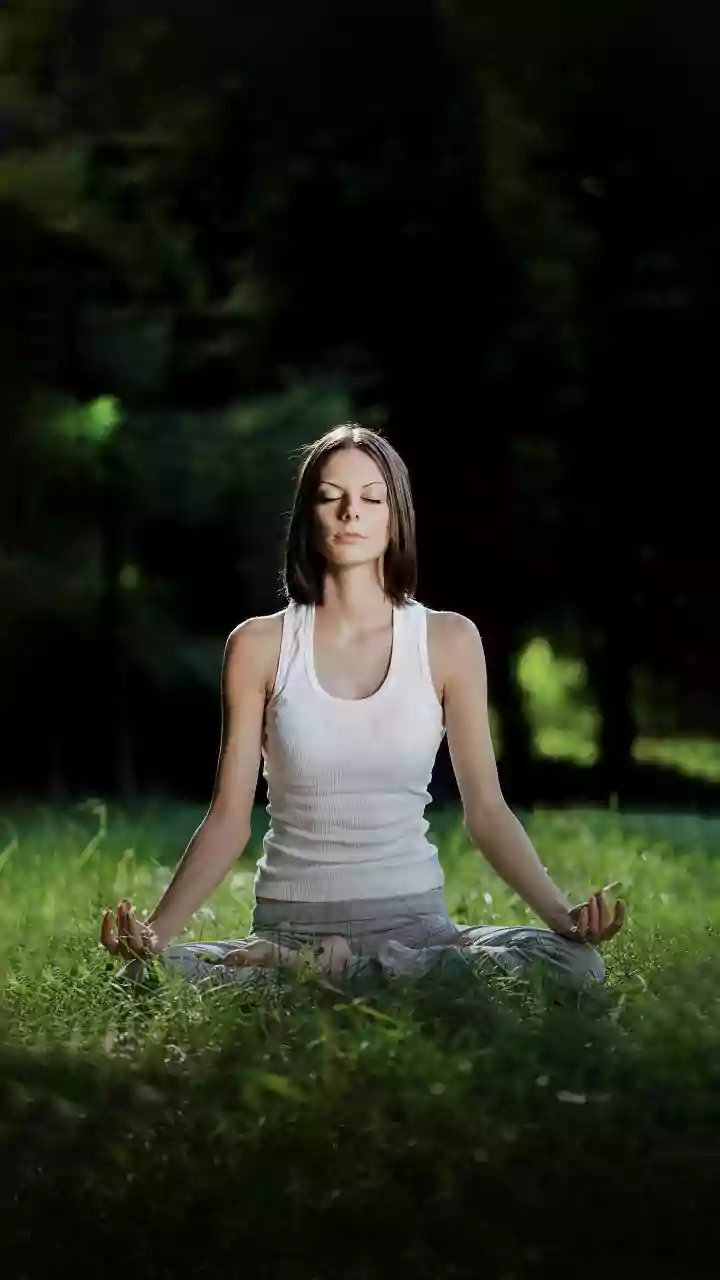
So what does a youth-friendly full-moon ritual actually involve? The modern toolkit is accessible and highly photogenic. It often starts with creating a calming atmosphere with candles and perhaps charging crystals in the moonlight. Journaling is a central component; practitioners write down lists of things they want to release—from bad habits to negative self-talk—often on paper that is then safely burned as a symbolic act. Making 'moon water' by leaving a jar of water under the full moon to 'charge' it with lunar energy is another popular practice, intended to be used for drinking or cleansing. Many also incorporate meditation, gratitude lists, and tarot or oracle card pulls to gain clarity. It’s a blend of mindfulness, manifestation, and gentle spirituality.
Spirituality for the 'Spiritual But Not Religious'
This rebranding is happening within a much larger cultural shift. Many young people, particularly Gen Z, identify as spiritual but not religious. They are often skeptical of traditional religious institutions but retain a deep desire for meaning, connection, and a sense of belonging. Research shows this generation approaches faith in an 'unbundled' way, mixing and matching beliefs and practices from various sources to create a personalized spiritual system that feels authentic to them. Full-moon rituals fit perfectly into this framework. They offer structure and a connection to nature's rhythms without dogma or strict rules, providing a sense of control and grounding in an often chaotic world.
Community in a Digital Age
While these rituals are deeply personal, they are not always solitary. Social media has created virtual communities where individuals share their practices, intentions, and aesthetically pleasing altar setups. Influencers guide their followers through collective release ceremonies, and hashtags connect strangers undertaking similar journeys. This creates a sense of shared experience and community without the physical or institutional barriers of traditional religious gatherings. It’s a form of connection that feels both intimate and expansive, perfectly suited to a generation of digital natives who are accustomed to building relationships and identity online.
The Wellness-Industrial Complex
Naturally, where there is a trend, there is commercialization. The rising popularity of moon rituals has not gone unnoticed by the wellness industry. Companies now market everything from 'Full Moon Bath Bomb Kits' to pre-packaged ritual sets with overpriced crystals and sage. This commodification of spirituality is a point of contention, with some arguing it makes these practices more accessible while others feel it strips them of their authenticity and exploits a genuine search for meaning. It raises questions about whether enlightenment can be bought and whether a sacred practice can survive becoming a lifestyle brand.