



Okra (Bhindi)
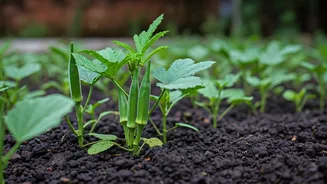
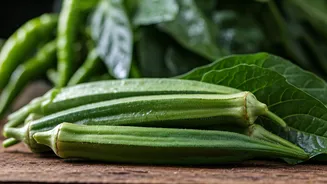
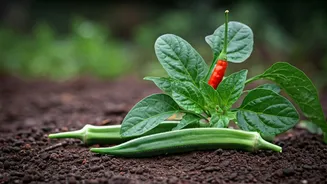
A staple in Indian kitchens, Bhindi is surprisingly easy to grow and loves the monsoon climate. This fast-growing plant thrives in the humid weather and well-drained soil. You can sow the seeds directly into large pots or grow bags. Ensure your containers
have good drainage holes, as waterlogging can damage the roots. Plant the seeds about an inch deep and space them out. Within 45-60 days, you'll start seeing beautiful yellow flowers, which will soon turn into tender okra pods. Harvest them when they are young and tender (about 3-4 inches long) for the best flavour and texture. Regular harvesting also encourages the plant to produce more.
Bottle Gourd (Lauki)
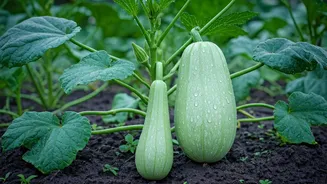
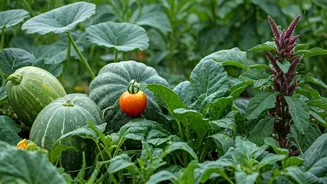
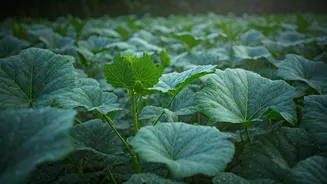
Gourds are synonymous with monsoon gardening. Bottle gourd, or Lauki, is a prolific climber that will reward you with an abundance of produce. Since it’s a vine, it needs a support structure like a trellis, net, or fence to climb on. Sow 2-3 seeds in a large container or directly in the ground. The plant requires ample sunlight, so place it in a spot that gets at least 5-6 hours of sun. The key is consistent watering without making the soil soggy. The large, lush leaves provide a beautiful green cover, and you can expect to harvest your first gourds in about 60-70 days. It's an incredibly satisfying vegetable to watch grow.
Spinach (Palak)
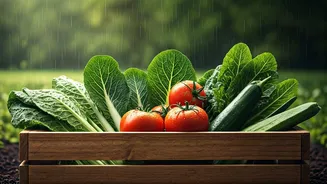
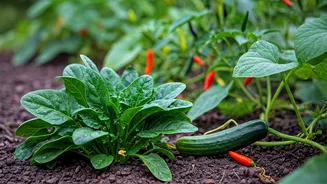
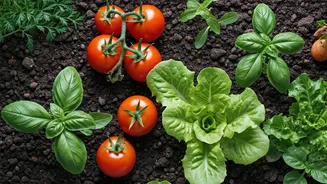
Leafy greens are a must for any kitchen garden, and spinach is a fantastic cool-season crop that does well in the milder temperatures of the monsoon. It grows quickly and you can have your first harvest in just 4-6 weeks. Palak can be grown in wide, shallow containers or troughs. Sprinkle the seeds evenly over well-prepared, compost-rich soil and cover with a thin layer of soil. Keep the soil consistently moist. You can harvest the outer leaves as needed, allowing the inner leaves to continue growing. This 'cut-and-come-again' method will ensure a steady supply of fresh greens for your dal, sabzi, or smoothies.
Green Chillies (Hari Mirch)
No Indian meal is complete without a bit of spice. Growing your own chillies is incredibly rewarding, and the plants are quite resilient. You can grow them from seeds or buy a small sapling from a local nursery to get a head start. Chilli plants do well in medium-sized pots with good drainage. They love sunshine, so a sunny balcony is a perfect spot. Water the plant when the topsoil feels dry, but be careful not to overwater. Soon, you’ll have a continuous supply of fresh, pungent chillies right at your fingertips, ready to add a kick to any dish.
Brinjal (Baingan)
Whether you love Baingan Bharta or crispy fried brinjal, growing this vegetable at home is a game-changer. Brinjal plants love the warm and humid conditions of the monsoon. It's best to start with saplings from a nursery for a higher success rate. Plant them in large grow bags or pots, as they need space for their roots to spread. They are heavy feeders, so ensure your soil is rich in organic matter and compost. Support the plant with a stake as it grows taller and starts to bear fruit. In about two months, you will be able to harvest shiny, firm brinjals. The taste of homegrown brinjal is far superior to anything you can buy.
Quick Monsoon Gardening Tips
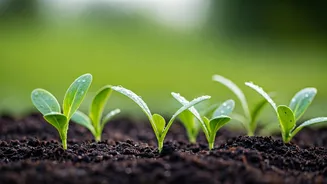
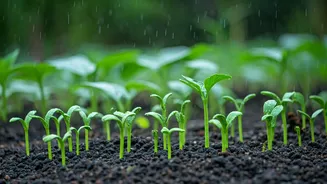
To ensure your monsoon garden thrives, keep a few things in mind. First, drainage is everything. Heavy rains can lead to waterlogged pots, which causes root rot. Ensure every container has plenty of drainage holes. Second, protect young seedlings from very heavy downpours by placing them under a temporary cover or in a sheltered part of your balcony. Third, be vigilant about pests like slugs and snails, which are common during this season. Finally, use a well-draining potting mix rich in cocopeat and compost to keep the soil light and nutritious.