






The Illusion of Infinite Supply
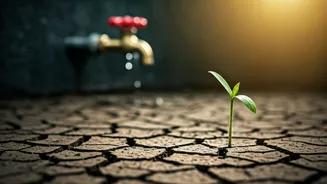
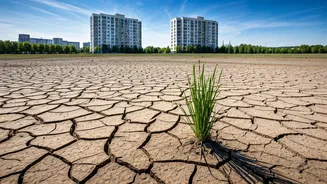
In our high-rise apartments and bustling commercial hubs, water appears as if by magic. This convenience creates a dangerous disconnect. We rarely consider the journey water takes to reach our homes—the rivers it’s drawn from, the groundwater pumped from deep
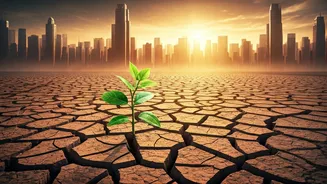
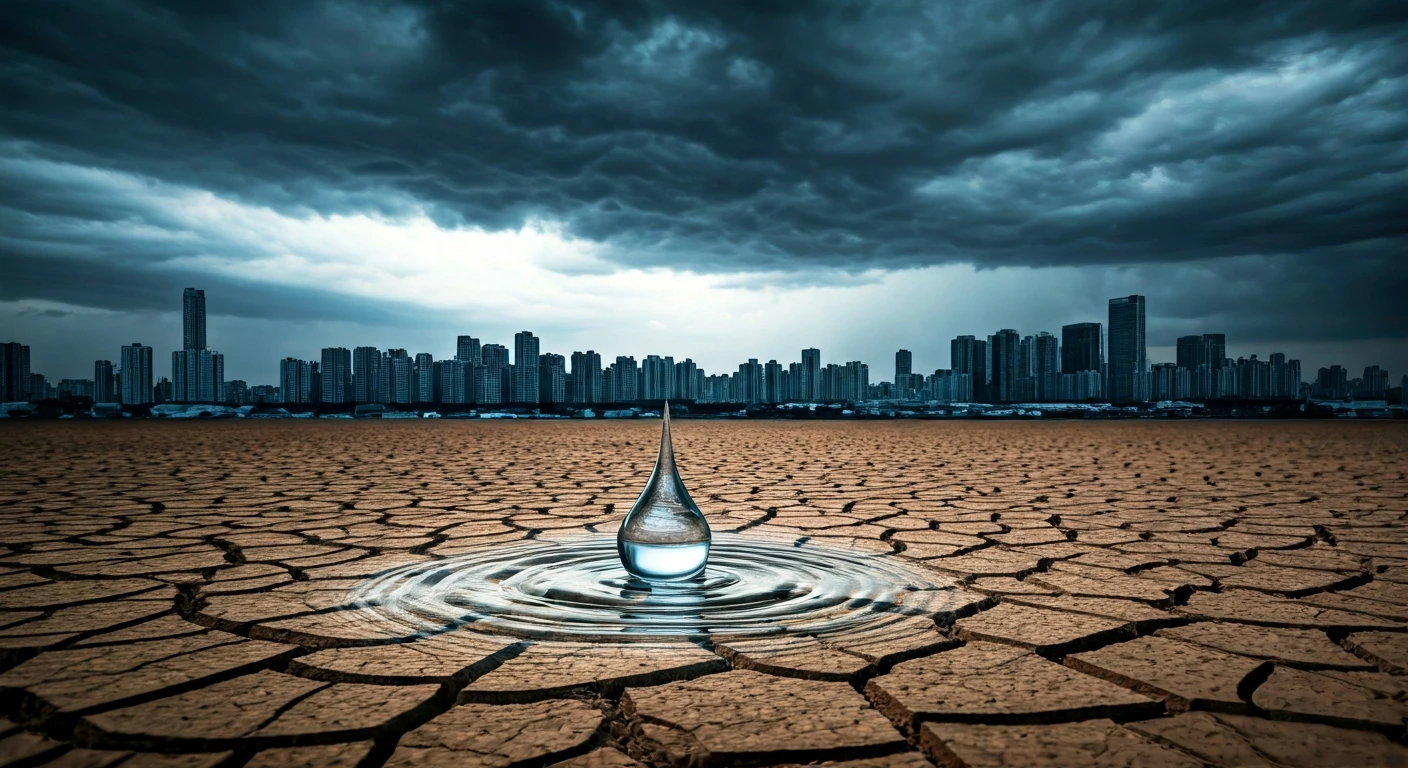
below, and the immense energy consumed in the process. This lack of awareness is the core of water illiteracy. Many city dwellers live with the assumption of an endless supply, unaware that cities like New Delhi, Bengaluru, and Chennai are facing severe water stress. According to a NITI Aayog report, India is grappling with one of its worst water crises, with demand projected to be twice the available supply by 2030, a situation that will severely impact hundreds of millions of people.
What 'Water Literacy' Really Means
Water literacy goes far beyond simply remembering to turn off the tap while brushing. It's the comprehensive understanding of our local water system. A water-literate citizen knows the source of their city's water—be it a distant river, a local lake, or underground aquifers. They understand the basics of the water cycle, the stages of water treatment, and where wastewater goes. This knowledge includes grasping the impact of our consumption, from the water footprint of our food and clothes to the consequences of pollution. With nearly 70% of India's water being contaminated, understanding how industrial waste and untreated sewage turn lifelines like the Yamuna River into liabilities is a critical part of this education.
The Unique Challenges of Urban India
India's cities present a perfect storm of water challenges. Rapid, often unplanned, urbanisation has paved over natural recharge zones with concrete, preventing rainwater from replenishing groundwater. Bengaluru, for example, has lost over 80% of its lakes to urban sprawl. This, combined with the over-extraction of groundwater, has led to plummeting water tables in many areas. Climate change adds another layer of complexity, making monsoons more erratic—leading to intense floods one season and prolonged droughts the next. Ageing and leaky infrastructure further strains the system, with some cities losing up to 40% of their water supply before it even reaches consumers. This combination of factors puts immense pressure on a system that was often not designed for such a large and dense population.
From Knowledge to Meaningful Action
Becoming water-literate empowers individuals and communities to move from passive consumers to active stewards of this vital resource. This shift manifests in tangible ways. It means participating in and advocating for rainwater harvesting systems to capture monsoon runoff. It involves reading a utility bill to understand consumption patterns and supporting smart water management technologies. On a community level, it translates to protecting local water bodies from encroachment and pollution, and pushing for policies that promote wastewater recycling and reuse. Organisations like the Water Literacy Foundation are already working to spread this awareness, helping communities implement solutions like borewell recharging and tree-based agriculture. By understanding the problem, we can demand and help build more resilient and equitable water systems for all.