

More Than a Mealtime Accent
For generations, the art of pickling in India has been a cherished tradition, a way to preserve seasonal abundance and ensure flavour throughout the year. Far from being a simple side dish, achar has always been intertwined with culture and family. The
annual ritual of preparing pickles is a communal event in many households, a time for passing down recipes from grandmother to grandchild. Each region of India boasts its own unique pickling techniques, from the fiery mango pickles of Andhra to the sweet Chhundo of Gujarat, reflecting local ingredients and culinary wisdom. This deep cultural significance is a key reason for its endurance, representing hospitality, family bonding, and regional identity.
A Gut Feeling for Good Health
One of the biggest drivers behind the renewed respect for pickles is the growing global interest in gut health. Traditionally made Indian pickles, which are fermented naturally using salt and sunlight rather than vinegar, are a rich source of probiotics. These beneficial live bacteria, like Lactobacillus, are crucial for maintaining a healthy gut microbiome. A balanced gut is linked to improved digestion, better nutrient absorption, and a stronger immune system, as a significant portion of our immune system resides in the gut. This modern scientific understanding validates the age-old wisdom that a small serving of achar with a meal aids digestion.
The Power of the Spice Box
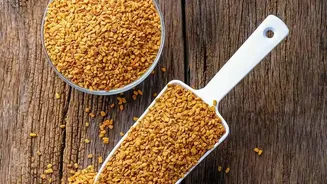
Beyond fermentation, the health benefits of Indian pickles are supercharged by the cocktail of spices used in their preparation. These are not just for flavour; they are functional ingredients with well-documented medicinal properties. Turmeric, which gives many pickles their vibrant colour, contains curcumin, a powerful anti-inflammatory compound. Fenugreek (methi) seeds aid digestion and can help regulate blood sugar levels. Mustard seeds, a cornerstone of many pickle recipes, are rich in antioxidants and have antibacterial properties that act as natural preservatives. Other common ingredients like asafoetida (hing), fennel (saunf), and ginger further enhance the digestive and health-promoting qualities of achar.
A Source of Essential Nutrients
The base ingredients of pickles—fruits and vegetables—are themselves packed with essential vitamins and minerals. The pickling process helps preserve these nutrients, making achar a valuable dietary addition. Amla (Indian gooseberry) pickle, for example, is an excellent source of Vitamin C, a powerful antioxidant that boosts immunity. Mango pickle is loaded with Vitamin A, while lemon pickle provides a significant dose of Vitamin C and potassium. Even chilli pickles contain capsaicin, which can boost metabolism. In this way, a small spoonful of pickle adds a concentrated burst of both flavour and nutrition to everyday meals.
The Modern Artisanal Revival
The renewed appreciation for heritage pickles is also being fuelled by a wave of chefs and artisanal brands championing traditional, preservative-free foods. Chefs are increasingly exploring and elevating heirloom recipes, bringing forgotten flavours back to the forefront of Indian cuisine. Simultaneously, a growing market for regional and authentic foods has seen a rise in small, home-grown brands that focus on traditional preparation methods and high-quality local ingredients. These brands are finding an eager audience among health-conscious consumers who are moving away from mass-produced products and seeking foods with a story and a connection to their roots.