





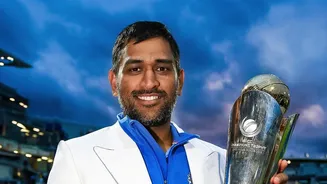

Ishan Kishan, RBI
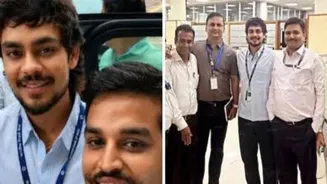
The latest cricketer to spark this conversation is Ishan Kishan. Recently, during a break from his international duties, the dynamic wicketkeeper-batter was seen in formal attire at the Reserve Bank of India's Patna office. Kishan holds the position of Assistant
Manager, a role he secured through the sports quota in recognition of his cricketing achievements. This isn't just a title; he has previously represented the RBI team in corporate tournaments, showing a real connection to the institution. His appearance reminds fans that many athletes have a parallel career, ensuring stability long after their time on the field is over.
Umesh Yadav, RBI
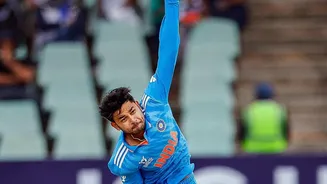
Before Ishan Kishan, fellow India international Umesh Yadav also proudly wore the RBI blazer. The fast bowler joined the Reserve Bank of India as an Assistant Manager in its Nagpur office in 2017. For Yadav, securing a stable government job was the fulfillment of a dream his father held for him. The appointment was made under the sports quota, a policy that allows public sector institutions to recruit top-tier athletes, giving them job security while they represent the country. Yadav completed the joining formalities right before leaving for an international tour, perfectly illustrating the dual life many of these cricketers lead.
KL Rahul, RBI
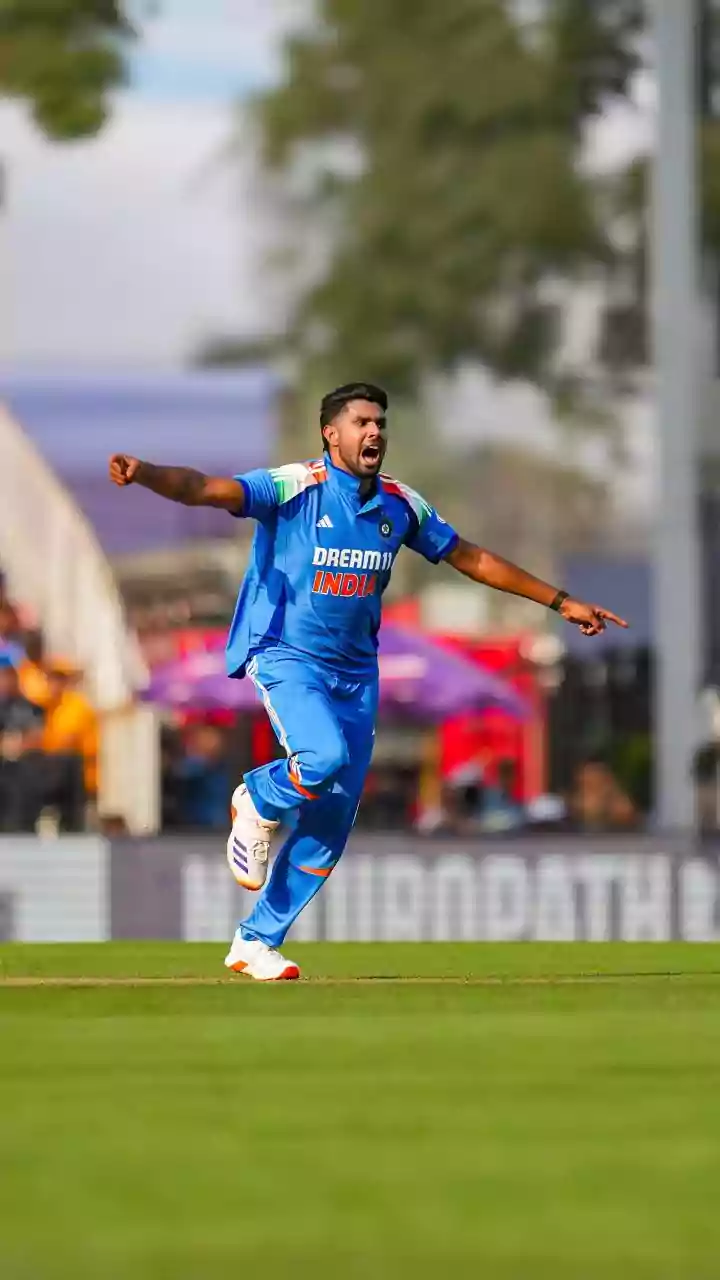
Another prominent name on the RBI's roster is stylish batter KL Rahul. He also holds the title of Assistant Manager at the Reserve Bank of India. Rahul was appointed to the position around 2018, and his association with the bank has been used in promotional campaigns, highlighting the RBI's connection with India's sporting heroes. Like his peers, the job offers a respectable position and financial security, a common practice for rewarding athletes who bring laurels to the nation. It demonstrates how these institutions value the discipline and dedication that sports professionals embody.
Ajit Wadekar, State Bank of India
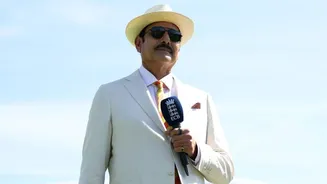
The tradition of cricketers working in banks goes back generations. The legendary Ajit Wadekar, a celebrated former India captain and coach, had a distinguished career at the State Bank of India (SBI). He reportedly passed the bank's tough Probationary Officer exam to secure his position. After his celebrated cricket career came to a close, he continued to work at SBI, rising through the ranks to become the Chief General Manager—a testament to his capabilities both on and off the field. His journey is a powerful example from a bygone era when a bank job was a primary source of income for even the biggest cricket stars.
Siddharth Kaul, State Bank of India
More recently, former India pacer Siddharth Kaul, a member of Virat Kohli's victorious 2008 U-19 World Cup team, transitioned into his role at the State Bank of India. After announcing his retirement from Indian cricket, he shared photos of himself at his desk at SBI's Chandigarh branch. Kaul had held the position with SBI since 2017, even before making his senior debut for India. His story represents the modern version of this tradition, where a public sector job remains a viable and respectable career path for cricketers after they hang up their boots.
A Legacy of Support
The list extends deep into the history of Indian cricket. Icons like Syed Kirmani, the 1983 World Cup-winning wicketkeeper, and the stylish batsman Gundappa Viswanath were also employees of the State Bank of India. In an era before lucrative broadcast deals and T20 leagues, these jobs provided the financial cushion that allowed players to focus on cricket. Public sector banks and companies have been the unsung backbone of Indian sports, offering employment through sports quotas that have nurtured countless athletes. While Yuzvendra Chahal (Income Tax Department) and Joginder Sharma (Haryana Police) chose other government sectors, the banking industry has always been a primary supporter of India's cricket talent.