






The Science of Aroma
The first thing a good chutney brings to the table is a complex aroma. This is no accident; it’s a direct result of its ingredients. Chutneys are packed with aromatic spices like cumin, coriander, ginger, and cinnamon. When cooked or ground, these spices release
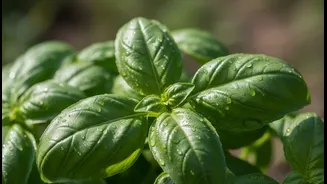
volatile compounds that create a fragrant cloud, elevating the scent of the main dish. Furthermore, the inclusion of acidic elements like vinegar, lemon juice, or tamarind helps to brighten and lift these aromas, making them more noticeable. A fresh mint or coriander chutney, for example, offers a burst of freshness that can cut through heavier, richer foods and make the entire meal feel more vibrant and appealing before you even take a bite.
A Masterclass in Moisture
One of chutney's less-appreciated superpowers is its ability to introduce and manage moisture. This is especially true for cooked fruit chutneys. The process often involves simmering fruits or vegetables, which reduces their water content and concentrates their flavour. At the same time, ingredients like sugar or jaggery play a crucial role. Sugar is hygroscopic, meaning it attracts and holds onto water molecules. When a sweet chutney is paired with a drier food, like grilled chicken or a piece of cheese, it lends some of its moisture, making every bite more succulent. The slow-cooking process breaks down the base ingredients into a jam-like consistency, creating a sauce that coats and clings, ensuring that moisture is delivered effectively with every spoonful.
The Magic of Texture
Great food is often about contrast, and chutney is a master of textural play. It can be smooth, chunky, or somewhere in between, offering a texture that complements or contrasts with the main dish. Think of a chunky mango chutney, which might contain soft pieces of fruit alongside the occasional crunch of a mustard seed. Or consider a South Indian-style chutney that includes nuts or roasted lentils, adding a delightful graininess or crunch against a soft idli. This textural diversity is intentional, designed to make eating a more dynamic experience. A smooth, pureed chutney can add a silky layer to a dish, while a chunkier, rustic version can provide bite and substance, preventing the palate from becoming bored.
Bringing It All Together
The true genius of chutney lies in how these three elements—aroma, moisture, and texture—work in unison. A single spoonful doesn't just add one thing; it adds a symphony of sensations. The acidity that brightens the aroma also cuts through richness, balancing fatty or heavily spiced foods. The sweetness that helps retain moisture also provides a delicious counterpoint to savoury or spicy flavours, creating a more rounded taste profile. For instance, the zesty, herbaceous notes of a green chutney lift the earthy flavours of a samosa, while its moist texture counteracts the dry, flaky pastry. Similarly, a sweet and tangy apple chutney can bring much-needed moisture and aromatic spice to a simple roast pork, transforming it from plain to spectacular.