



What Exactly is Protein Digestibility?
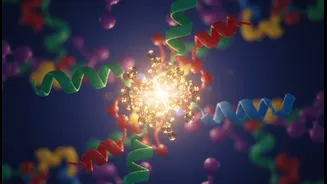
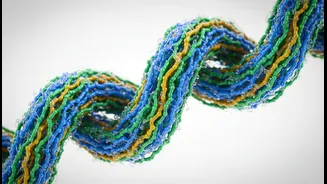
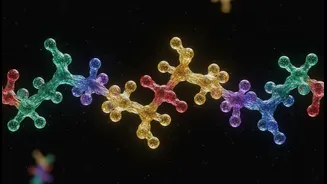
Protein digestibility refers to how efficiently your body can break down a protein source into its fundamental building blocks, known as amino acids, and absorb them into the bloodstream. Think of it like this: just because a food contains 20 grams of protein doesn't
mean your body gets to use all 20 grams. The actual amount available for muscle repair, immune function, and other vital processes depends on how well you can digest it. Scientists use scoring systems like the Protein Digestibility Corrected Amino Acid Score (PDCAAS) and the more modern Digestible Indispensable Amino Acid Score (DIAAS) to measure this quality. These scores assess not only how digestible the protein is but also its amino acid profile, ensuring it provides the essential amino acids our bodies can't make themselves.
Why It's a Game-Changer for Fitness
For anyone serious about their fitness, understanding digestibility is crucial. Inadequate absorption of amino acids can hinder muscle function, slow down recovery, and impact metabolic health. When you consume a highly digestible protein, your body gets a faster and more complete supply of the amino acids needed for muscle protein synthesis—the process of repairing the micro-tears in muscles caused by exercise. This is why athletes often favour fast-digesting proteins like whey immediately after a workout. But digestibility also affects satiety. Slower-digesting proteins, like casein, make you feel full for longer, which can be beneficial for managing weight. Ultimately, choosing more digestible proteins means less digestive stress and more effective use of the nutrients you consume, leading to better results from your training.
Animal vs. Plant Proteins: The Great Debate
Generally, animal-based proteins from meat, eggs, and dairy have a higher digestibility score than many plant-based sources. Animal proteins are considered 'complete,' meaning they contain all nine essential amino acids in proportions that our bodies can readily use. Plant proteins, on the other hand, can have their digestibility limited by factors like fibre and other compounds, sometimes called 'anti-nutrients', that can interfere with absorption. However, this doesn't mean plant-based diets are inferior. Many plant proteins, such as soy and quinoa, are complete proteins. For other sources like beans and lentils, combining different types throughout the day—for example, rice and beans—can provide a full essential amino acid profile. Processing and cooking methods can also significantly improve the digestibility of plant proteins by helping to break them down before they even enter your system.
Your Go-To List for Digestible Proteins
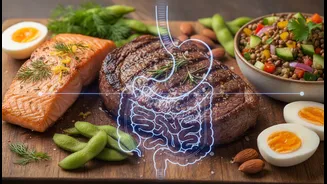
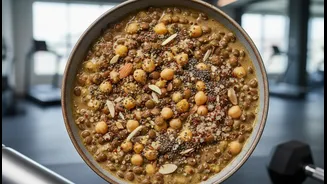
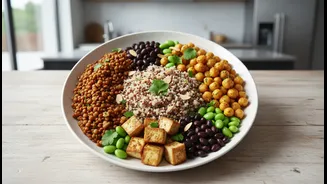
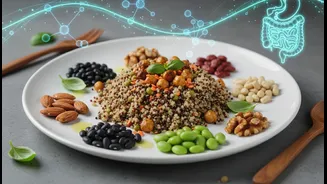
When aiming for high-quality, easily absorbed protein, some sources stand out. For animal-based options, eggs are often considered a gold standard, alongside whey and casein from dairy. Lean meats like chicken breast and fish such as salmon and cod are also excellent, easily digestible choices. In the plant kingdom, soy protein isolate, tofu, and tempeh are top contenders with strong digestibility profiles. Quinoa is another standout as a complete plant protein that's easily digested. Well-prepared legumes like lentils and chickpeas also offer great value, especially when their digestibility is enhanced through cooking. Combining these sources ensures you get a wide range of amino acids to support your fitness goals.
Simple Tweaks to Boost Protein Absorption
You can improve how well your body uses protein with a few simple habits. The first step of digestion is mechanical, so chewing your food thoroughly is a surprisingly effective starting point. Incorporating fermented foods like Greek yogurt or adding enzyme-rich raw foods to your diet can also help, as they contain natural enzymes that assist in breaking down proteins. Spreading your protein intake throughout the day rather than in one or two large meals can also improve absorption by giving your body more time to process it. Finally, pairing your protein with complex carbohydrates can be beneficial, as the resulting insulin release helps shuttle amino acids into your muscles, especially after a workout.