







Understanding the Monsoon's Retreat
September marks the official withdrawal period of the Southwest Monsoon from many parts of India. According to the India Meteorological Department (IMD), this process typically begins in the northwestern states around mid-September and gradually moves
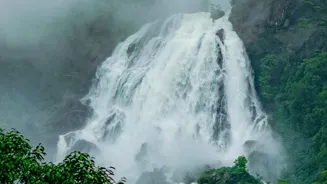
southeast, clearing most of the country by mid-October. However, this doesn't mean the rain simply stops. Instead, the weather becomes unpredictable. Families can expect a mix of warm, humid days with temperatures around 30-33°C and brief, intense downpours. This transitional weather, sometimes called the 'shoulder season', creates lush green landscapes and fills waterfalls, but also requires careful planning.
Smart Water Management at Home
While the monsoon may be ending, the water it brought shouldn't be wasted. The transition to drier months is the perfect time to implement water-saving habits. Many Indian cities face water shortages in the summer, and conserving the last of the monsoon rains can make a significant difference. A simple and effective method is rooftop rainwater harvesting. Even if you don't have a large tank, you can direct rainwater from your roof into smaller barrels for use in gardening, cleaning, or flushing toilets. This is also an excellent time to check for and repair any leaks in your home's plumbing. As groundwater levels begin to drop, reducing reliance on municipal supply becomes crucial for long-term water security.
Choosing Your September Travel Destination
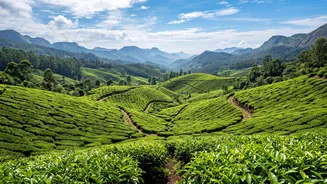
September can be a fantastic month for travel, offering lower prices and fewer crowds than the peak winter season. With landscapes at their most vibrant, it's an ideal time to visit hill stations like Ooty, where the lakes are full and tea gardens are lush. The post-monsoon clarity makes destinations like Spiti Valley in Himachal Pradesh accessible and stunning, with clear roads and skies perfect for stargazing. Similarly, Rajasthan becomes more pleasant, with minimal rain and lower humidity. However, it's wise to be cautious. Some areas in the northeast and along the west coast, like Goa and Kerala, may still experience heavy rainfall and high humidity. It is also best to avoid landslide-prone Himalayan foothills during this time.
Essential Packing and Safety for Travel
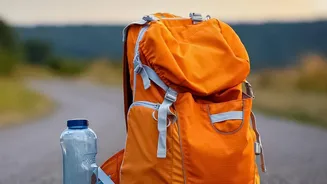
Travelling in September requires packing for all possibilities. Your luggage should include both sun protection and rain gear. Lightweight, quick-drying clothes are ideal, along with a breathable rain jacket and a reliable umbrella. Good-quality waterproof shoes with strong grip are essential, as trails and pavements can be slippery even after the rain stops. For health and safety, always carry a basic first-aid kit with medication for common ailments like flu and indigestion, as well as a mosquito repellent. It's also advisable to avoid street food that may be exposed to contaminated water and to drink only bottled or purified water to prevent water-borne diseases.
On the Road: Travel and Activity Planning
Flexibility is key when travelling during this transitional month. Always check the latest weather forecasts for your destination before and during your trip. If travelling by road, be aware that sudden downpours can lead to poor visibility and hazardous conditions. Drive slower, maintain a safe distance from other vehicles, and be prepared for potential delays. Allow extra time in your itinerary for unforeseen disruptions caused by weather. Many national parks, like Jim Corbett and Ranthambore, begin to reopen in October, but September offers a unique chance to see post-monsoon nature in places like the Kaas Plateau in Maharashtra, which bursts into a carpet of wildflowers.