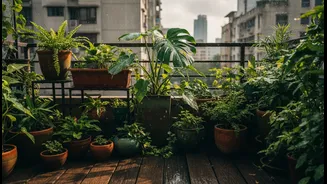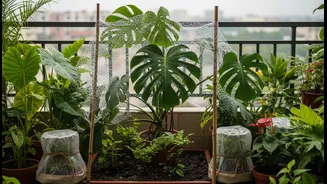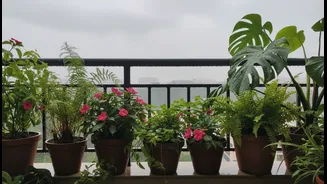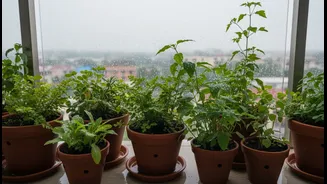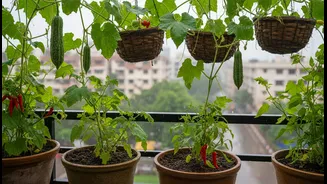




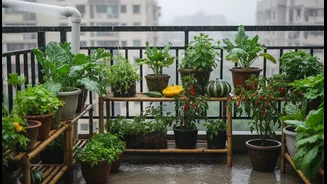


The Monsoon's Double-Edged Sword
For garden lovers, the monsoon is a season of explosive growth. Yet, for plants confined to pots, this same life-giving rain can be a silent killer. The primary enemy is not the water itself, but the lack of air it causes. Plant roots need to breathe.
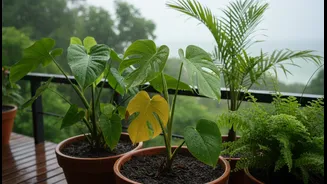
When a pot becomes waterlogged due to incessant rain, the soil gets saturated, cutting off oxygen. This condition, often called 'wet feet', suffocates the roots, causing them to stop functioning. Ironically, a plant suffering from too much water will often wilt and its leaves will turn yellow, looking exactly like a plant that is thirsty. This is because the damaged, oxygen-starved roots can no longer absorb water and nutrients, leading to a deadly disease called root rot.
Understanding Structural Drainage
Structural drainage is more than just a hole at the bottom of your pot. It's the entire system designed to ensure excess water escapes quickly while retaining just enough moisture. This system includes the pot itself, the layers within it, and the potting medium you use. Think of it as creating an environment that mimics a plant's natural habitat, where soil is loose and water can run off freely. Neglecting this foundation is the most common reason balcony plants fail during the rainy season. Getting it right prevents the cycle of suffocation, decay, and disease before it can even begin.
Crafting the Perfect Potting Mix
Standard garden soil is a recipe for disaster in a pot. It's too dense and compacts easily when wet, eliminating air pockets and stopping water flow. The ideal monsoon potting mix is light, airy, and drains quickly. You can create this by blending several components. A popular and effective recipe for tropical plants is a mix of coco peat (for structure), compost (for nutrients), and a drainage agent like perlite, pumice, or coarse river sand. Perlite and pumice are lightweight volcanic minerals that create air pockets, while coco coir holds some moisture without becoming waterlogged. Avoid fine sand, which can clog soil pores and make drainage worse.
Choosing the Right Pot
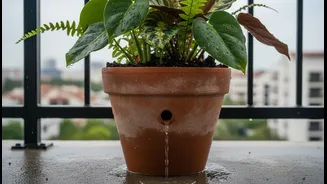
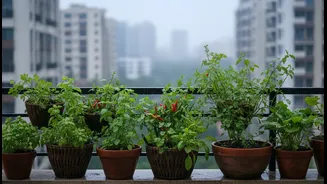
The container you choose plays a massive role in drainage. Always use pots with at least one, preferably multiple, drainage holes at the bottom. If a decorative pot has no holes, use it as a cachepot by placing a smaller pot with drainage holes inside. The material also matters. Terracotta or unglazed clay pots are porous, allowing both air and water to pass through their walls. This helps the soil dry out faster, making them an excellent choice for the humid monsoon months. Plastic pots, being non-porous, retain moisture much longer, which can be a liability during constant rain. If you use plastic, an excellent potting mix and extra care are even more critical.
The Simple Trick of Elevation
One of the simplest yet most effective monsoon hacks is to physically lift your pots off the ground. When a pot sits directly on the balcony floor, its drainage holes can become blocked by accumulating water or debris. Placing pots on feet, bricks, or wooden blocks creates an air gap underneath. This small elevation change ensures the drainage holes are clear and allows excess water to escape freely, preventing the pot from sitting in a puddle. It also improves airflow around the base of the pot, further helping the soil to dry out between spells of rain.
Completing Your Monsoon Checklist
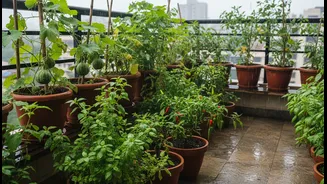
With a solid drainage foundation, the rest of your monsoon care becomes simpler. Since the rains provide plenty of water, you must adjust your watering schedule. Never water without first checking the soil; stick your finger an inch or two deep, and only water if it feels dry. High humidity makes plants susceptible to fungal infections, so ensure good air circulation by not crowding pots too closely together. Regularly prune any dead or damaged leaves to prevent decay and disease from setting in. Finally, hold back on fertilising during heavy rains, as it can burn the already stressed roots.