


NISAR: A Joint Set of Eyes on Earth
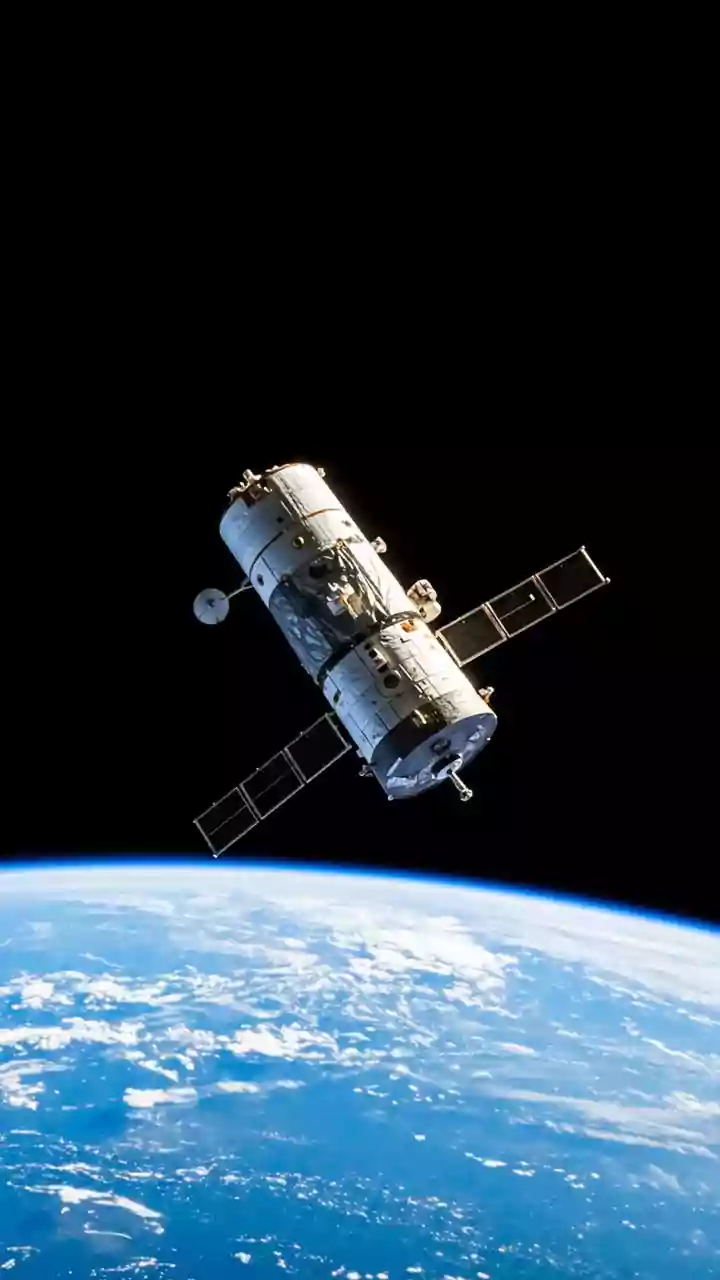
One of the most significant collaborations between NASA and the Indian Space Research Organisation (ISRO) is the NISAR mission. Short for NASA-ISRO Synthetic Aperture Radar, this advanced Earth-observing satellite is a true partnership in every sense.
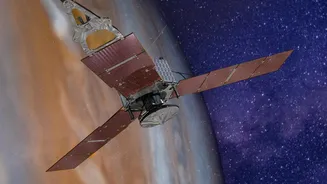
Launched in July 2025, it is the first satellite to use two different radar frequencies (L-band from NASA and S-band from ISRO) to monitor our planet's complex processes. Think of it as providing a time-lapse view of Earth, capturing changes in ecosystems, ice sheets, and the planet's crust with unprecedented detail, measuring movements down to a centimeter. The mission aims to provide crucial data for understanding climate change, managing natural disasters, and monitoring agricultural resources. Data from NISAR's instruments became publicly available in July 2026, already providing new insights into phenomena like the shifting ice in Antarctica. This mission showcases a powerful model for international cooperation in tackling global challenges from space.
Artemis & the Moon Base Invitation
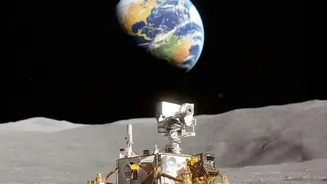
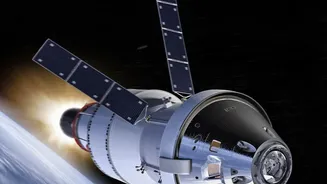
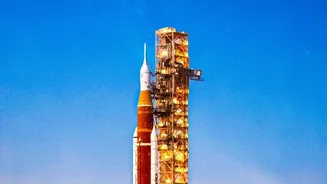
In a major development for India's space ambitions, NASA has formally invited ISRO to join its Moon Base program. This invitation, extended in early August 2026, builds upon India signing the Artemis Accords in 2023, a set of principles for peaceful and cooperative lunar exploration. NASA's Artemis program aims to establish a long-term human presence on the Moon, particularly near the resource-rich South Pole. For India, which has its own goals of landing an astronaut on the Moon by 2040 and establishing a 'Bharatiya Antariksh Station' by 2035, this partnership could be transformative. Participation could provide India with access to advanced technologies, opportunities for its scientists and astronauts, and a role in shaping the emerging lunar economy. While specific details of the collaboration are still being discussed, the invitation marks a new chapter in the US-India space relationship, moving from observation to potentially building a future on another world together.
The Indian Diaspora's Leading Roles
Beyond direct agency-to-agency partnerships, the Indian connection to NASA is also deeply embedded in the talent and leadership within the agency itself. Numerous Indian-origin scientists and engineers hold key positions in some of NASA's most ambitious missions. For example, Dr. Swati Mohan was the Guidance and Controls Operations Lead for the successful landing of the Perseverance rover on Mars, while Amit Kshatriya serves as a deputy associate administrator for the Moon-to-Mars Program, overseeing the integration of Artemis missions. Figures like Dr. Madhulika Guhathakurta and Dr. Meya Meyappan have led major NASA science initiatives in heliophysics and nanotechnology, respectively. Looking ahead, missions like Dragonfly—a revolutionary rotorcraft set to explore Saturn's moon Titan—are led by a diverse team that includes Principal Investigator Elizabeth "Zibi" Turtle and involves numerous international partners. This consistent presence of Indian-American talent in critical roles underscores the community's immense contribution to the frontiers of space exploration.
Shared Goals in Planetary Science
Even on missions without direct Indian hardware or personnel, there is a strong alignment of scientific goals between NASA and ISRO that benefits both. Both agencies have a keen interest in exploring Mars and the Moon. The data gathered by NASA's fleet of Mars orbiters and rovers complements the findings from ISRO's Mars Orbiter Mission (Mangalyaan), creating a more complete picture of the Red Planet. Similarly, as ISRO plans its Chandrayaan-4 lunar sample return mission, the knowledge and experience gained from NASA's Artemis program will be invaluable. This shared focus allows scientists from both nations to collaborate on research, publish joint findings, and plan future missions that build on each other's successes. This collaborative spirit ensures that scientific discovery is not a race, but a global effort to answer humanity's biggest questions about our solar system.