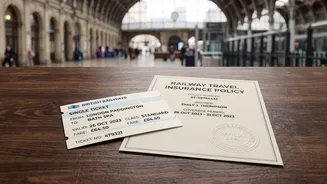






The Old Divide: A Tale of Two Tickets
Until now, there was a clear gap in how Indian Railways passengers were treated when it came to insurance. If you booked your ticket through the IRCTC website or app, you were offered optional travel insurance for a nominal fee—currently just 45 paise.
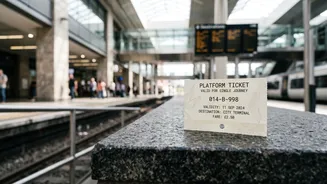
This provided a crucial financial safety net, with coverage of up to ₹10 lakh for death or permanent disability in case of an accident. However, for the significant number of travellers who buy their tickets in person at crowded station counters, this option simply didn't exist. This created a system where passengers who were often less digitally savvy or from lower economic backgrounds were left without this vital protection.
A Landmark Judgment for Equality
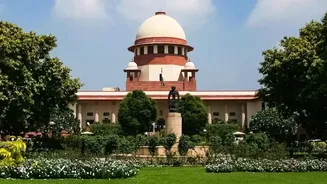
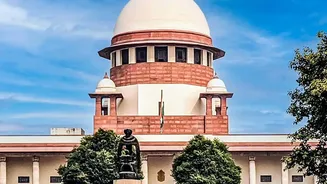
The Supreme Court has stepped in to close this gap. In a directive issued on October 6, 2026, a bench of Justices Ahsanuddin Amanullah and R. Mahadevan declared that this disparity was unjust. The ruling came while hearing a petition related to passenger safety, filed in the wake of the tragic Odisha train accident in June 2023. The court expressed its 'utter disappointment' with the Railways for not having already created a system to offer insurance to all passengers, regardless of how they paid. It observed that denying this benefit to those who buy tickets over the counter was discriminatory.
What Changes on October 27?
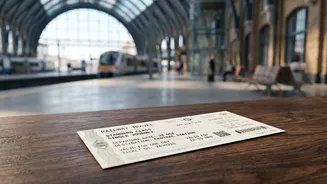
The court's order is not a suggestion; it's a mandatory directive. Starting October 27, 2026, Indian Railways must ensure that all tickets sold at counters are also covered by insurance, in the same way as online tickets. While the existing online scheme is optional, the court's language suggests this new provision for counter tickets will be mandatory to ensure equal coverage. The goal is to make this protection an integral part of the journey, not an add-on that only some can access. The Railway Board has been made directly responsible for implementing this, failing which it will be held accountable by the court.
The Impact for Millions of Travellers
This ruling is a significant win for passenger rights in India. For millions who rely on railways as their primary mode of transport, this decision provides a crucial layer of financial security for them and their families in case of an unforeseen tragedy. It acknowledges that a passenger's safety and welfare shouldn't depend on their access to the internet or a smartphone. Insurance experts note this could transform travel insurance from an overlooked option into an essential safeguard for everyone. While offline ticket purchases account for about 11-12% of total tickets, bringing this large group into the insurance fold is a major step towards more inclusive travel protection.
The Road Ahead: Questions and Implementation
The biggest question now is how Indian Railways will implement this directive in such a short timeframe. The logistics of incorporating an insurance policy into every counter ticket sale, handling the premium collection, and managing the documentation are complex. It remains to be seen whether the premium for counter tickets will be the same 45 paise as the online option or if a different structure will be announced. Passengers should keep an eye out for official announcements from the Railways, which will clarify the final details about policy terms, premiums, and the claims process for these newly insured tickets.