


Create a Safe Sanctuary Room
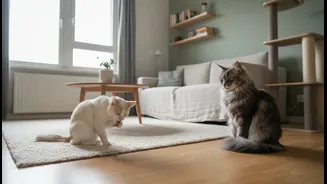
Before your cat even arrives, prepare a dedicated “safe room.” This should be a quiet, smaller space like a spare bedroom or office where the cat can decompress. Giving them a whole house to explore at once is overwhelming; a smaller space is easier for them to claim
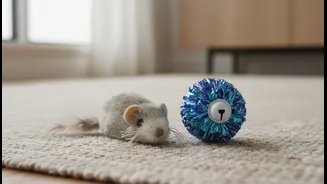
as their own territory. Equip this room with everything they need: food and water bowls (placed apart from each other), a litter box, a comfortable bed, a scratching post, and some toys. Make sure to block off inaccessible hiding spots, like under beds or behind appliances, while providing appropriate ones like a cardboard box or a covered cat bed. This room becomes their secure home base as they slowly get used to the new sounds and smells of your home.
Harness the Power of Scent
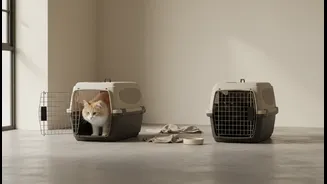
A cat’s world is built on scent, and you can use this to your advantage. To a cat, your home is an alien landscape of unfamiliar smells. Help them acclimate by engaging in “scent swapping.” Take a soft cloth or sock and gently rub it on your new cat’s cheeks to pick up their facial pheromones. Leave this item in another part of the house. If you have a resident cat, rub a different cloth on them and place it in the new cat’s room for them to investigate. This allows the cats to “meet” through smell long before they see each other, reducing future tension. You can also help your new cat feel more at home by placing items with your own scent, like a used t-shirt, in their room. Pheromone diffusers can also help create a calming atmosphere.
Establish Predictable Routines
Cats are creatures of habit who thrive on predictability. Establishing a consistent routine is one of the quickest ways to build their trust and reduce stress. Feed your new cat at the same times each day. This creates a positive association and lets them know they can rely on you for resources. Schedule short, regular play sessions, which mimic their natural hunt-eat-groom-sleep cycle and provide crucial mental and physical stimulation. Even your interactions should be predictable. Visit them often in their safe room, but let them initiate contact. Sit quietly and speak in a soft voice, allowing them to approach and sniff you on their own terms. This patience shows them you are not a threat and that this new territory is a place of safety.
Let Them Lead the Exploration
After a few days, or whenever your cat seems relaxed and confident in their safe room, you can let them start exploring the rest of the house. The key is to let them do it at their own pace. Simply open the door to their room and allow them to venture out when they feel ready. Don’t force them out. Their first explorations might be brief—a quick peek around the corner before retreating to safety. This is completely normal. Ensure the rest of the house is cat-proofed, with no accessible hazards like loose cords or small objects they could swallow. If you have other pets, make sure they are secured in another room during these initial explorations. This is the new cat’s time to map out the territory and leave their scent without feeling threatened.
Manage Introductions Carefully
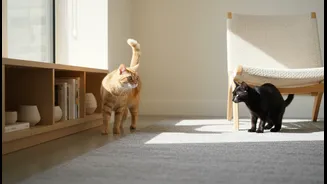
If you have resident pets, a slow, managed introduction is non-negotiable to prevent territorial aggression. After a week or more of scent and site swapping, you can move to visual introductions. Use a baby gate or a slightly cracked door to allow the cats to see each other without making physical contact. Feed them or give them special treats on either side of the barrier to create positive associations. Keep these sessions short and always end on a positive note. Only when they seem calm and curious in each other's presence should you allow short, supervised meetings in a neutral space. If any fighting occurs, separate them immediately without punishment and go back a step. This process can take weeks or even months, so patience is paramount.
Recognize and Respond to Stress
Pay close attention to your cat’s body language, as it will tell you how they are coping. Signs of stress include prolonged hiding, decreased appetite, a lack of grooming, or excessive grooming. Other red flags are increased vocalizations like hissing or growling, and urinating outside the litter box. While some initial anxiety is normal, these signs should decrease over time. If your cat is showing persistent signs of severe stress, it may be a signal to slow down the introduction process. An upright tail and slow blinks are signs of a cat that is starting to feel confident and trusting in their new environment.