



The Darkest Skies of the Month
The single biggest challenge for viewing deep-sky objects is moonlight. A bright moon can wash out all but the brightest stars, rendering the faint, dusty lanes of the Milky Way invisible. This is why astrophotographers plan their outings around the new
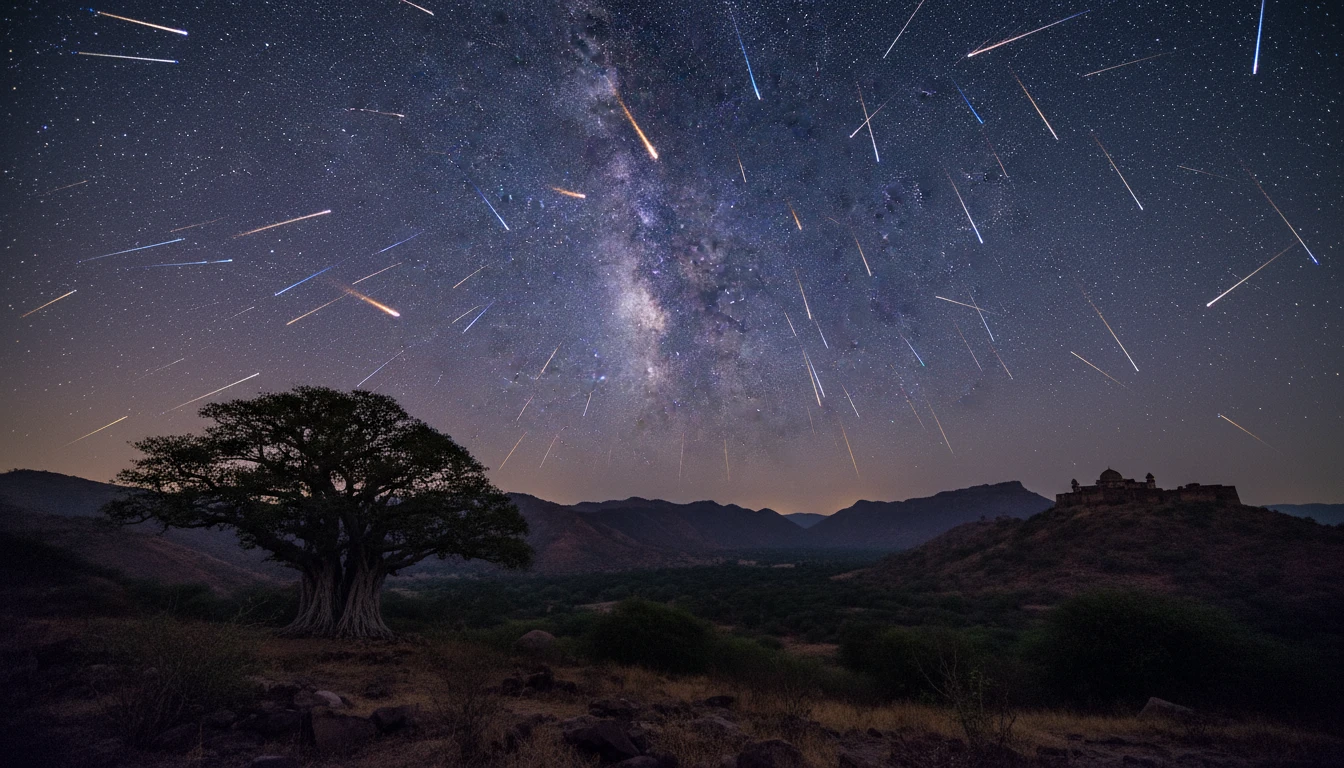
moon. In July 2026, the new moon falls on Tuesday, the 14th. The nights surrounding this date, roughly from July 11th to July 17th, will offer the darkest conditions, making it the ideal period to head out with a camera. This is when the sky is truly dark, allowing your camera’s sensor to pick up faint nebulae and distant galaxies that are otherwise hidden. Without the Moon’s glare, the star clouds of our galaxy become the main event.
What to Photograph: Your Celestial Targets
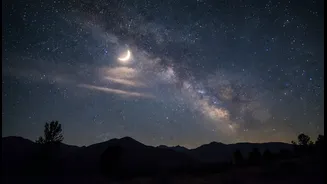
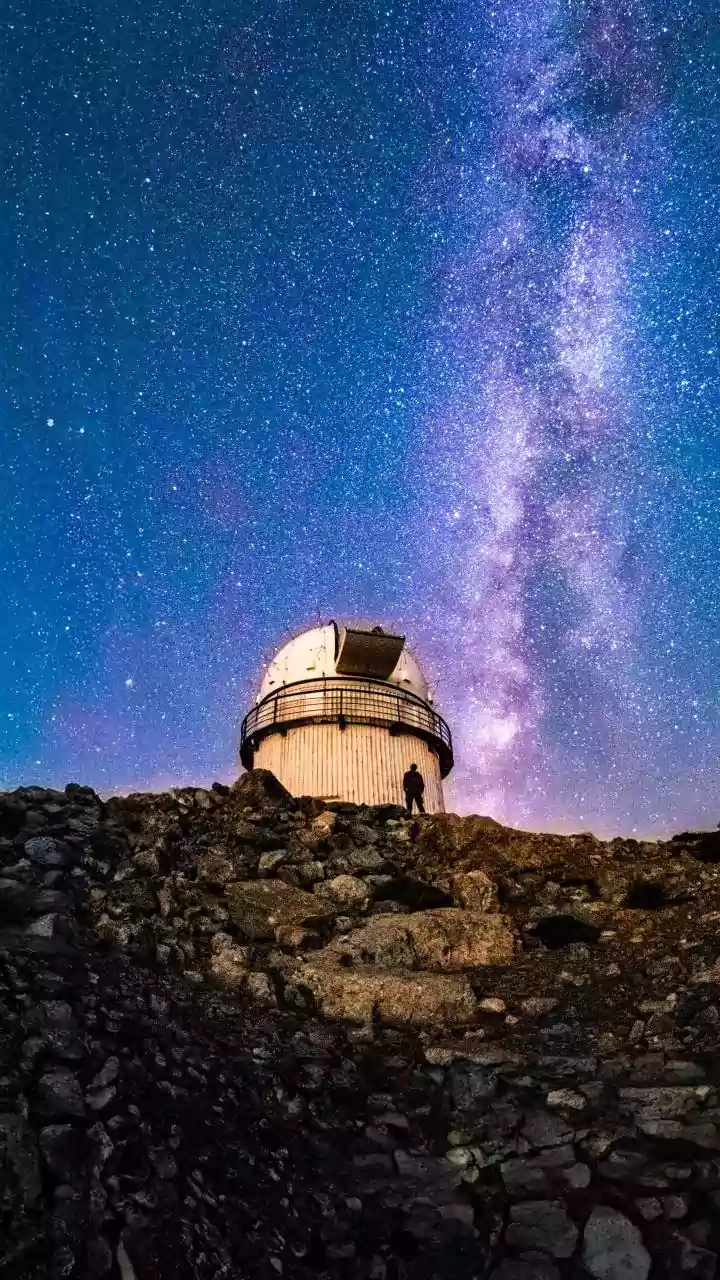
July is a prime month for observing the heart of the Milky Way. From India, the galactic core—the brightest and most dramatic part of our galaxy—will be high in the southern sky for several hours around midnight. Look for the constellations Sagittarius and Scorpius, which mark this dense region of stars, dust, and glowing nebulae. Beyond the Milky Way, several planets will make appearances. Look for a beautiful pairing of a slender crescent moon and a brilliant Venus in the western sky just after sunset on July 17th. In the pre-dawn hours of July 11th, a waning crescent moon will form a lovely triangle with reddish Mars and the sparkling Pleiades star cluster in the east. While meteor showers like the Southern Delta Aquariids are active, a bright moon during their late-July peak will make them difficult to observe this year.
Navigating the Monsoon Challenge
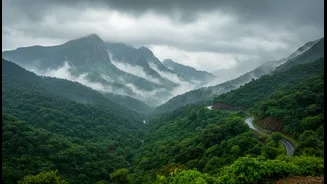
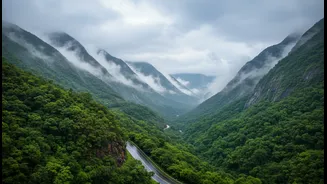
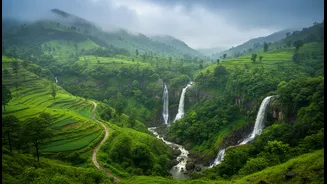
Photographing the sky during the monsoon is a game of patience and strategy. While many parts of India are clouded over, it doesn't mean astrophotography is impossible. The key is to watch weather forecasts obsessively and be ready to move when a clear window appears. Often, the air is incredibly clear and stable just after a rain shower, offering superb transparency. One effective strategy is to target rain-shadow regions. These are areas on the leeward side of mountain ranges that receive significantly less rainfall. In India, this includes places like Spiti Valley in Himachal Pradesh, which remains largely dry and clear. The eastern side of the Western Ghats, including parts of inland Karnataka and Maharashtra, also experiences less intense rain, creating potential opportunities for clear nights.
Essential Gear and Camera Settings
For stunning monsoon astrophotography, your gear needs to be prepared for the conditions. A sturdy tripod is non-negotiable to keep your camera steady during long exposures. Humidity is a major issue, as it can cause your lens to fog up instantly. A simple lens hood can help, but a more reliable solution is a dew heater strap or even a chemical hand warmer attached to the lens barrel with a rubber band. To capture the Milky Way, you'll need a camera with manual controls and a wide-angle lens (like a 14mm or 24mm) with a wide aperture (f/2.8 or lower is ideal). A good starting point for your settings is a 20-30 second shutter speed, an aperture of f/2.8, and an ISO between 1600 and 6400. Always shoot in RAW format to capture the maximum amount of data for post-processing. A remote shutter release or using your camera's self-timer will prevent camera shake when you start the exposure.
Potential Dark Sky Locations
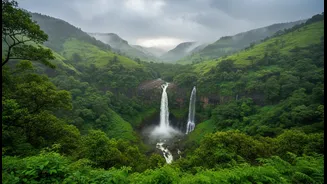
Finding a location with minimal light pollution is crucial. While high-altitude cold deserts like Hanle in Ladakh and Spiti Valley offer the absolute best conditions in India, they aren't accessible to everyone. However, there are other viable options even during the monsoon. The vast, flat expanse of the Rann of Kutch in Gujarat can offer clear skies. In the south, regions like Coorg in Karnataka and Yercaud in Tamil Nadu, known for their elevation and distance from city lights, can provide surprising windows of clarity between rain spells. For those near Mumbai, areas in the Sahyadri ranges like Malshej Ghat or Jawhar can be good escapes from the city glow, provided you time your trip with a break in the weather. The key is to get as far away from city centers as possible to let the night sky reveal its full glory.