






Putting the 2,000-Aircraft Figure in Perspective
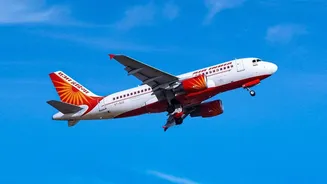
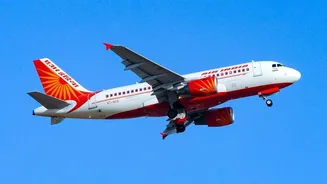
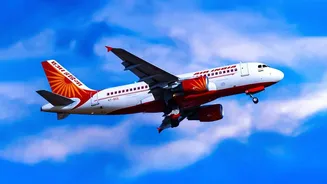
To understand the scale of this ambition, one must look at the current landscape. As of mid-2026, India's commercial airline fleet consists of roughly 800-850 aircraft. Goyal's projection, therefore, suggests a near tripling of the country's fleet. This
massive expansion is planned to unfold over the next decade. The minister's comments come at a time when Indian carriers already have a staggering order book. Airlines like Air India, IndiGo, and Akasa Air have collectively placed firm orders for over 1,200 aircraft with global manufacturers Airbus and Boeing. Goyal's statement indicates an appetite for nearly a thousand more planes on top of these existing commitments, highlighting an acute need to bridge the gap between supply and explosive demand.
The Engine of Demand: A Nation on the Move
What is fuelling this unprecedented demand for air travel? The primary driver is India's powerful economic growth and demographic dividend. A rapidly expanding middle class with higher disposable income now views air travel not as a luxury, but as an accessible and often necessary mode of transport. This is coupled with a government push to enhance regional connectivity through the UDAN (Ude Desh ka Aam Nagrik) scheme. Since its inception, UDAN has been instrumental in operationalising hundreds of routes to previously unserved or underserved airports, effectively democratising air travel. By connecting smaller towns and remote regions, the scheme has unlocked new markets for tourism and business, creating a virtuous cycle of growth and demand that requires a much larger national fleet.
A Sky Full of Orders
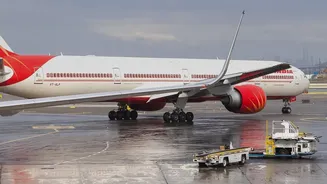
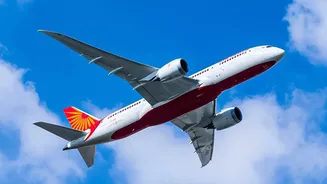
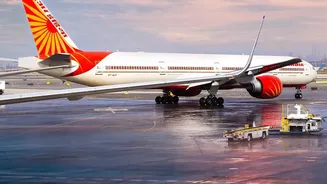
The foundation for this 2,000-plus aircraft fleet is already being laid by India's leading airlines. In what were some of the largest deals in aviation history, Air India placed a historic order for 470 aircraft, while the country's largest carrier, IndiGo, committed to 500 more. Newer entrant Akasa Air is also aggressively expanding its fleet of Boeing 737 MAX jets. These orders are so substantial that they represent a significant portion of the global backlog for both Airbus and Boeing. In fact, Goyal noted that the government is actively pursuing these manufacturers to expedite deliveries, as the current pace is struggling to keep up with India's surging passenger traffic. The market is forecast to grow at over 7% annually for the next decade, one of the fastest rates in the world.
More Than Just Planes: The Ecosystem Effect
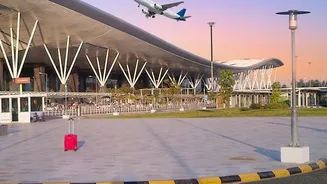
Tripling the aircraft fleet has profound implications that extend far beyond the airlines themselves. Such growth necessitates a parallel expansion of the entire aviation ecosystem. This includes modernising and building new airports, with the government already planning significant investments in airport infrastructure. Furthermore, it creates a massive demand for skilled human resources, including thousands of new pilots, cabin crew members, and aircraft engineers. A critical piece of this puzzle is the Maintenance, Repair, and Overhaul (MRO) industry. India has historically spent billions of dollars sending aircraft overseas for major maintenance checks. A key government objective is to develop a robust domestic MRO hub, which would create high-skilled jobs and save valuable foreign exchange.
Navigating the Headwinds
While the outlook is overwhelmingly positive, the path to a 2,000-aircraft fleet is not without its challenges. Indian aviation has long grappled with issues like high operational costs, primarily driven by steep taxes on Aviation Turbine Fuel (ATF). Airport infrastructure, despite rapid development, still faces congestion issues at major hubs. Furthermore, global supply chain constraints have already led to delays in aircraft and engine deliveries, a problem Goyal himself alluded to. Ensuring a steady pipeline of well-trained pilots and technicians to meet the demand of a rapidly expanding fleet remains a critical task that requires long-term planning and investment in training infrastructure.